

Dishwasher Comparisons: Model by Model and Class by Class
Seven pages that put dishwasher listings next to each other and next to their whole class, using only the figures that two independent transcriptions of each listing agree on.
What is on these pages
A review tells you what one dishwasher’s listing says. These pages do something a review cannot: they put listings next to each other, and next to the whole class. There are two kinds. Head-to-head pages take two specific models and compare them on the figures that both our review and Amazon’s detail page agree on. Class reports take every reviewed machine of one type and ask what the published specifications say when taken together: how loud they claim to be, how much they claim to hold, and where the claims contradict each other.
None of it is tested. No dishwasher here has run a cycle for us, so every figure is the manufacturer’s, and every page says so. There are no prices, because Amazon changes them daily, and no star ratings or review counts, because Amazon’s terms do not let us publish them. There is no league table and no single recommended pick: what each page offers instead is the condition under which a machine suits you and the condition under which it does not.
The three kinds of dishwasher, in numbers
| Built-in | Countertop | Portable (freestanding) | |
|---|---|---|---|
| Reviewed machines in these figures | 38 | 52 | 11 |
| Median stated place settings | 14 | 5, stated by only 9 | 8 |
| Median stated noise | 49 dB | 53.5 dB | 52 dB, all 8 alike |
| Median weight | 38.8 kg | 13 kg | 51.7 kg |
| Water comes from | Plumbing | A tank, a faucet, or both | A faucet adapter |
The table shows why the choice between types is usually made before the choice between models. A built-in states around 14 place settings; a countertop machine, where it states a number at all, about 5. A built-in is a fixture, weighing around 39 kilograms; a countertop unit weighs about 13 and sits on a worktop. A portable is between them in capacity and heavier than either in how you move it, at about 52 kilograms, and connects to a faucet without plumbing.
Countertop comparisons
Countertop dishwashers are the class where a listing says the least and claims the most. The class report measures one size of box sold under many brands; the two comparisons each take a pair and look at what separates them.
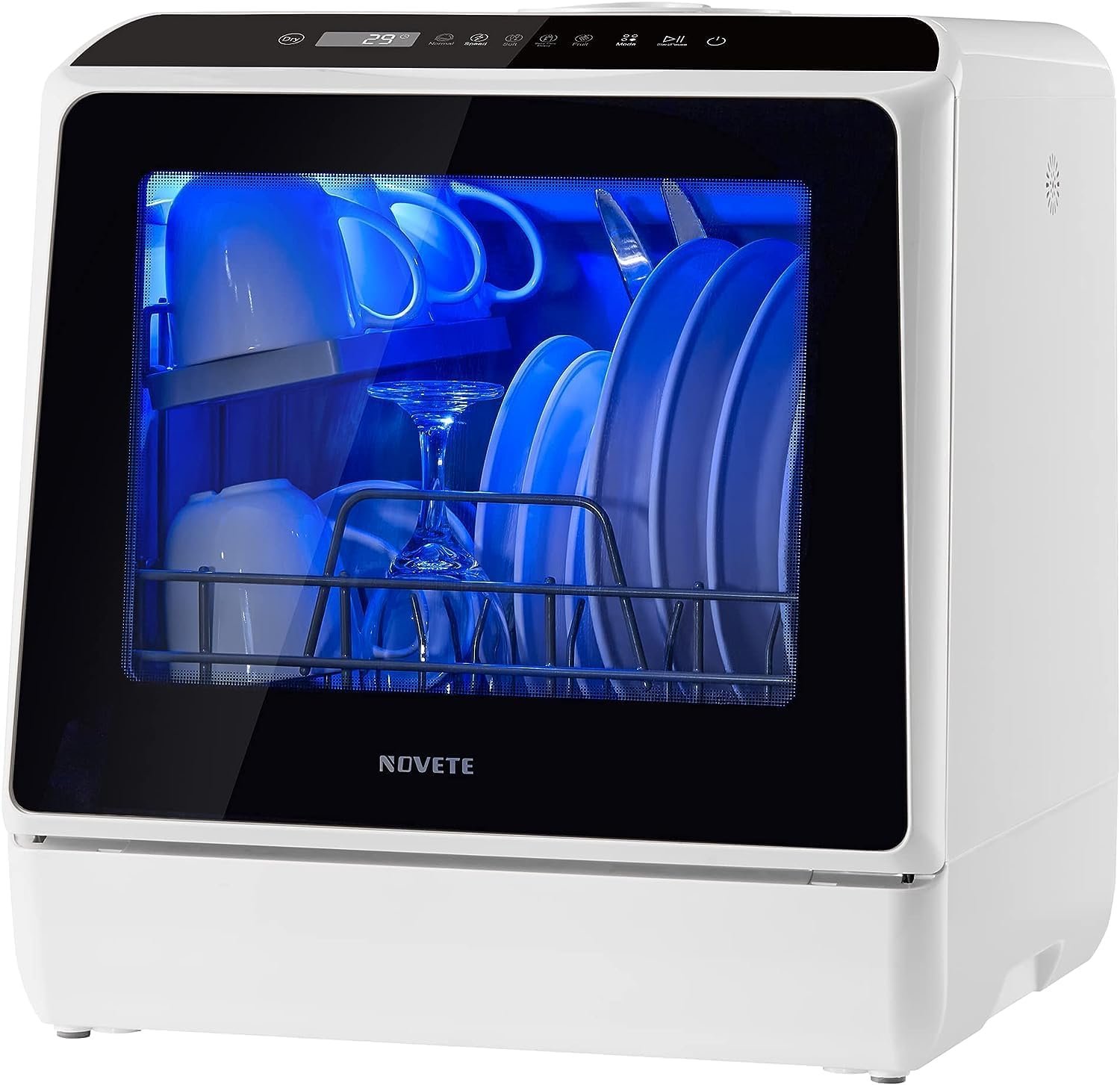
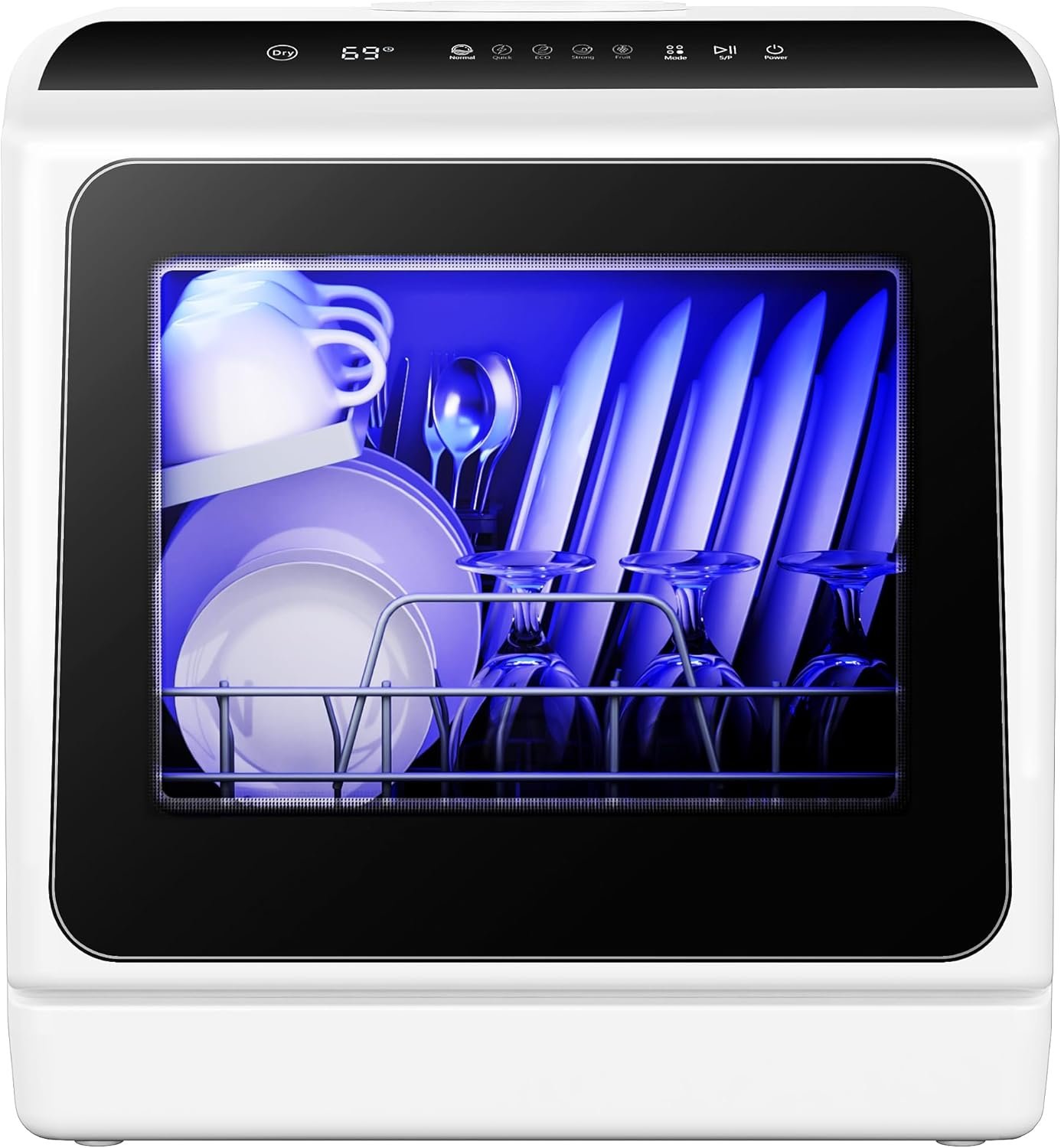
Countertop class report
52 machines, one box many brands
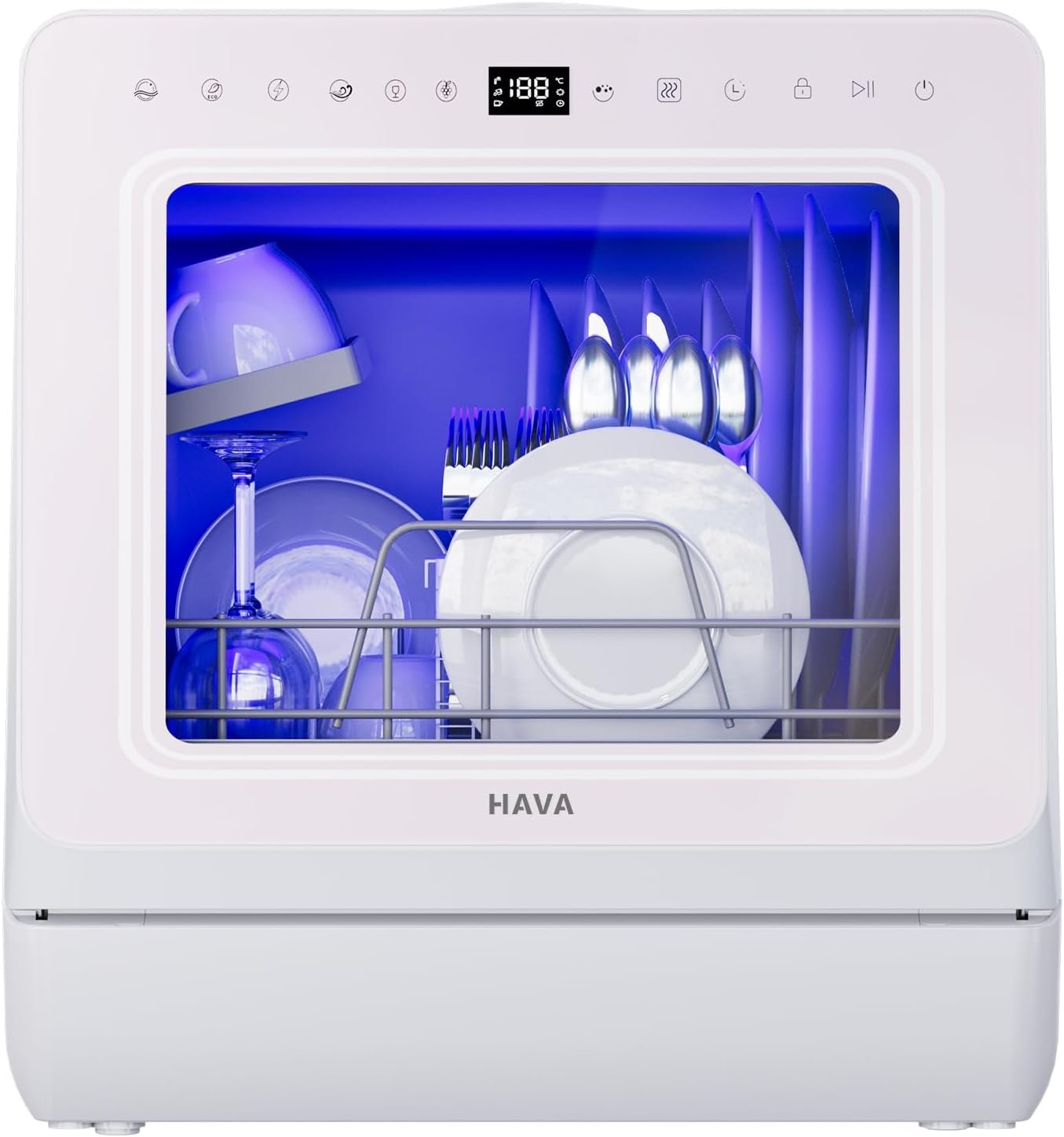
NOVETE vs HAVA
Same size and weight, 10 dB apart
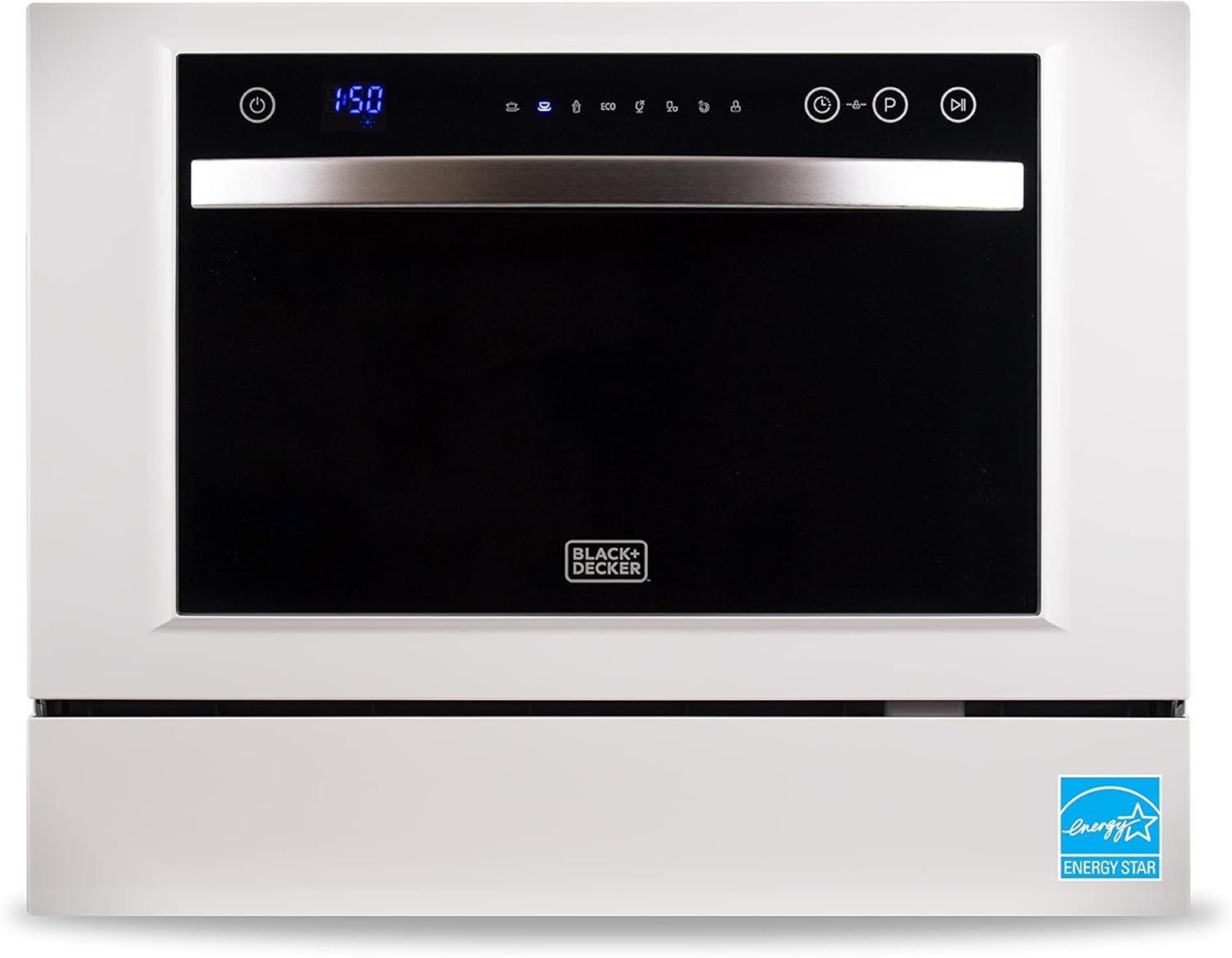
BLACK+DECKER vs EUHOMY
More counter space against a stated 40 dB
Built-in comparisons
Built-in dishwashers state more, so there is more to cross-check. The class report covers noise, width and how far to trust a place-setting count. The two comparisons cover the standard 24-inch size and the narrow 18-inch one, where one listing turned out to give three different capacity figures.
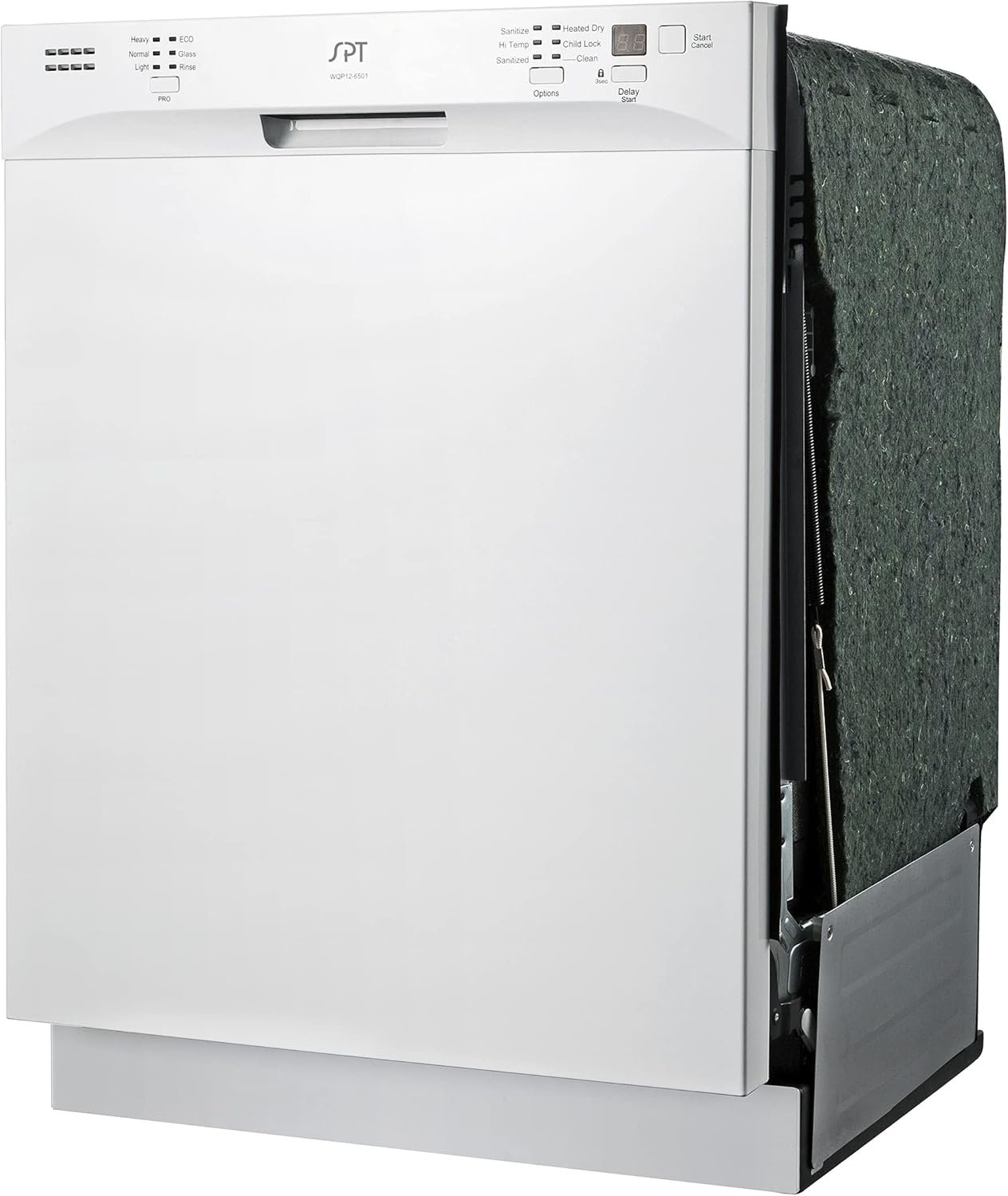
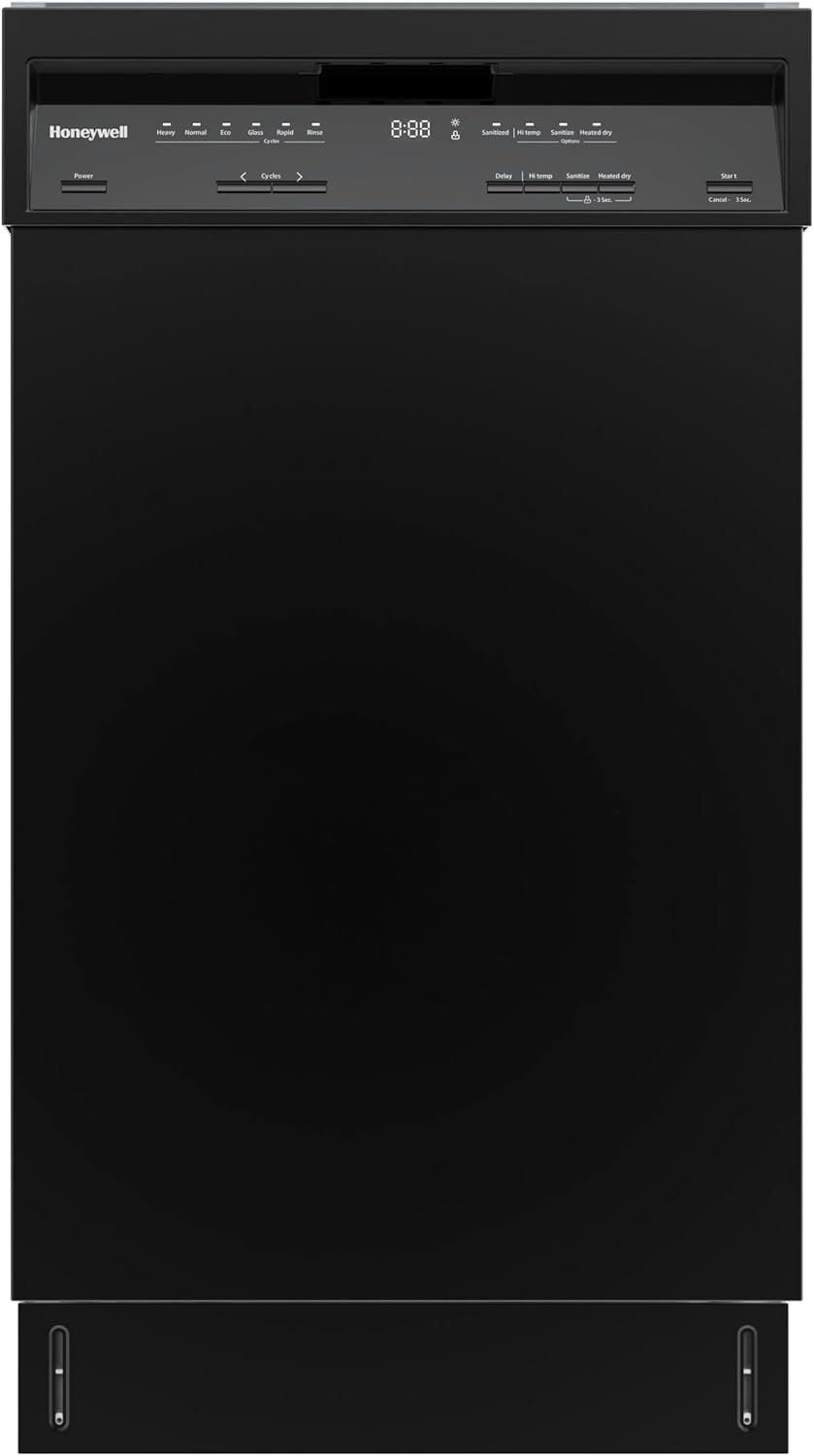
Built-in class report
38 machines, from 38 to 57 dB
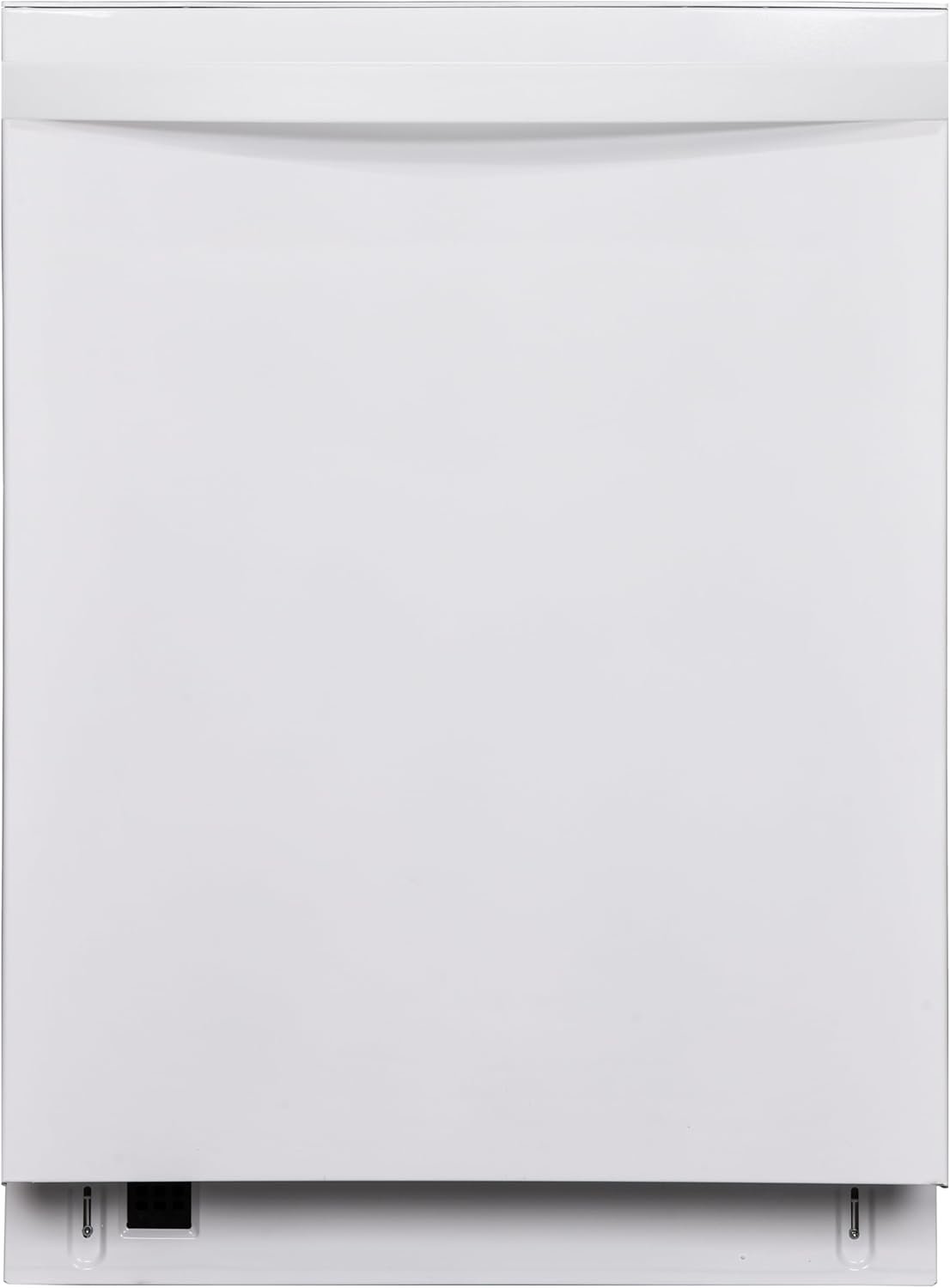
SPT SD-6501WA vs Kenmore Elite
Same box, 13 dB apart
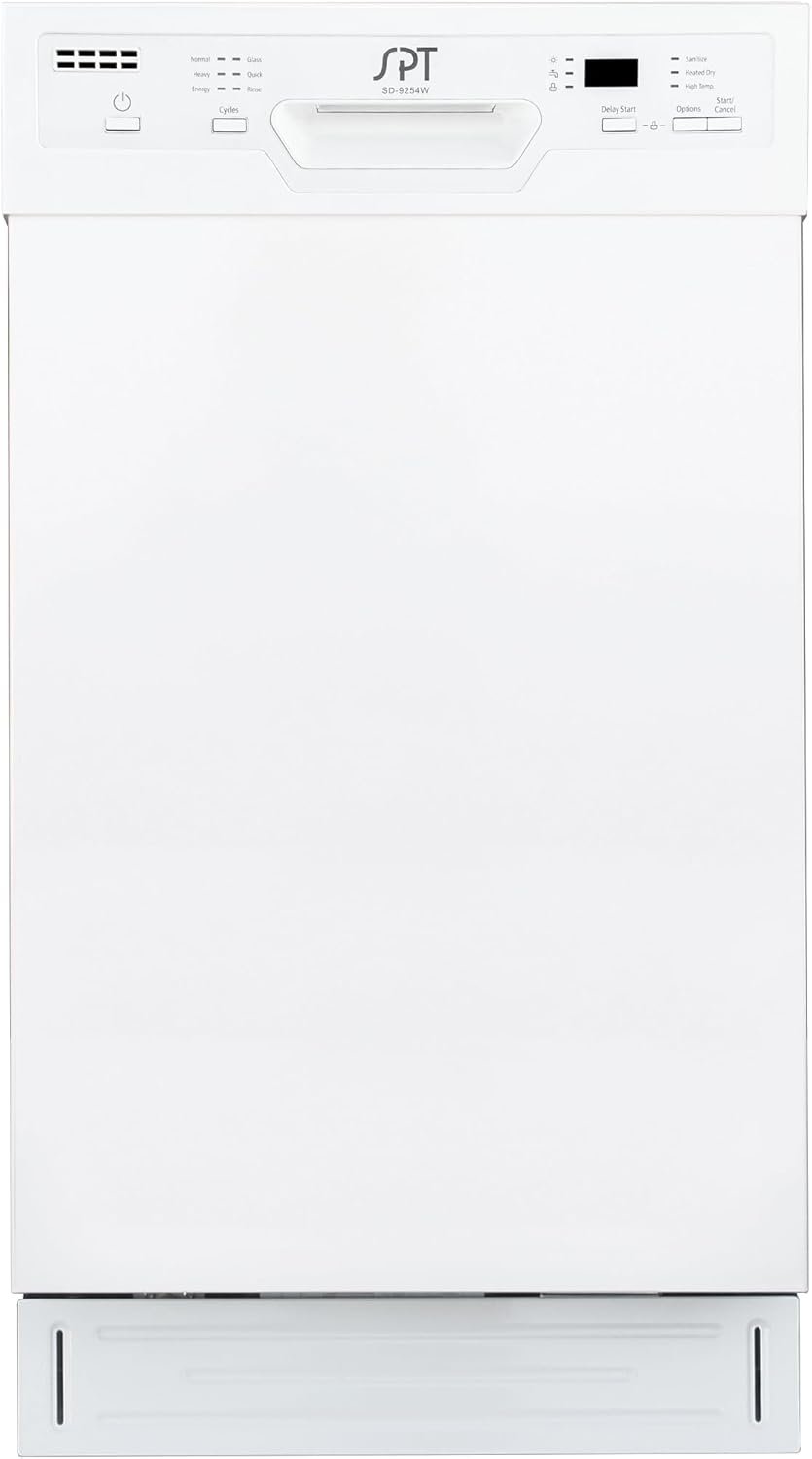
SPT SD-9254W vs Honeywell HDS18B
One listing says 8 and 14
Portable comparison, and why there is no portable report
There is one portable page, not a class report. Our catalogue has 11 household-sized portable dishwashers, and 8 of them state noise, all at exactly 52 dB. A class whose members all quote the same number has no spread to analyse, and a report built on it would be padding. What does separate portables is floor space against capacity, which is the subject of the pair below.
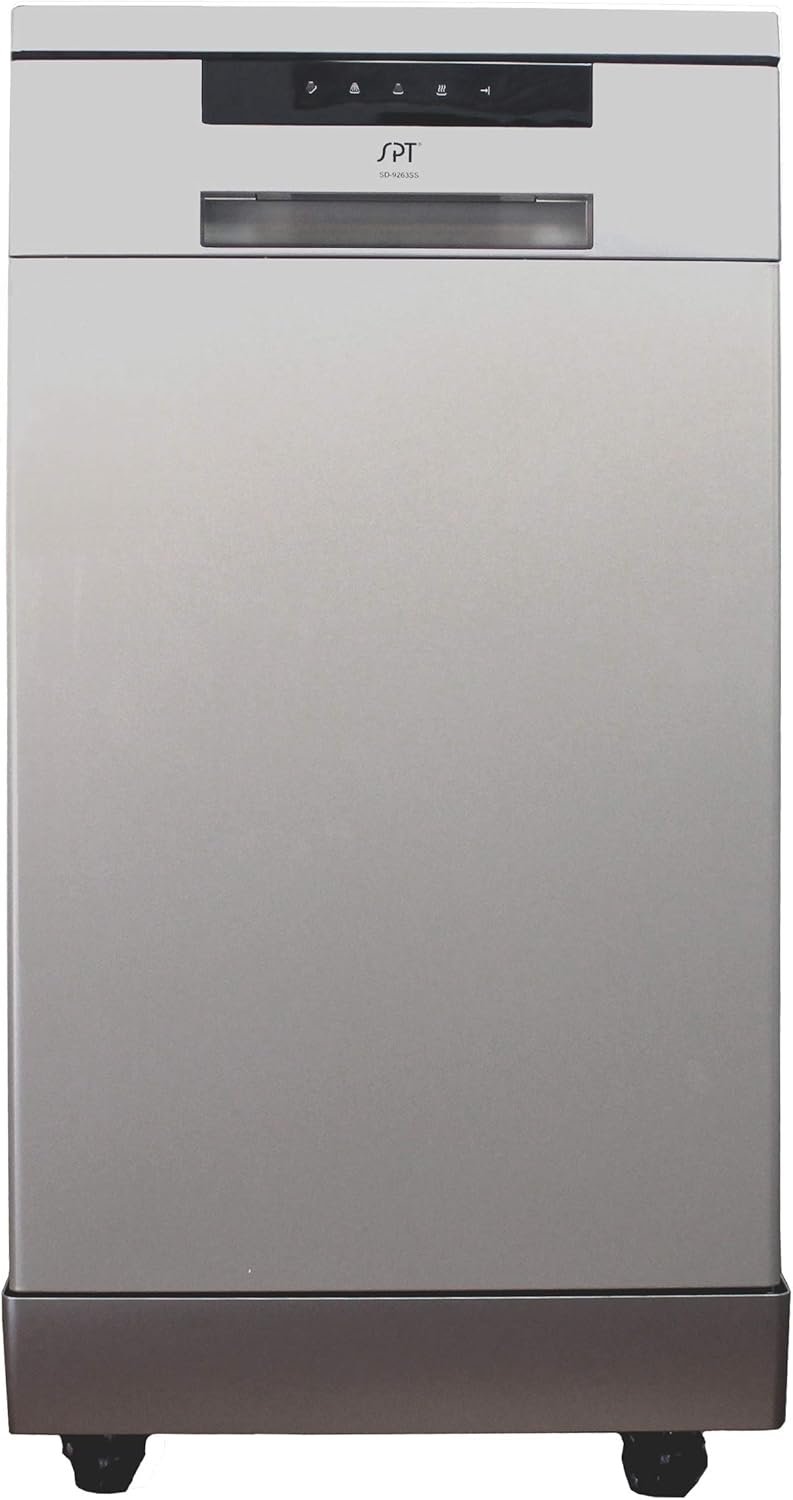
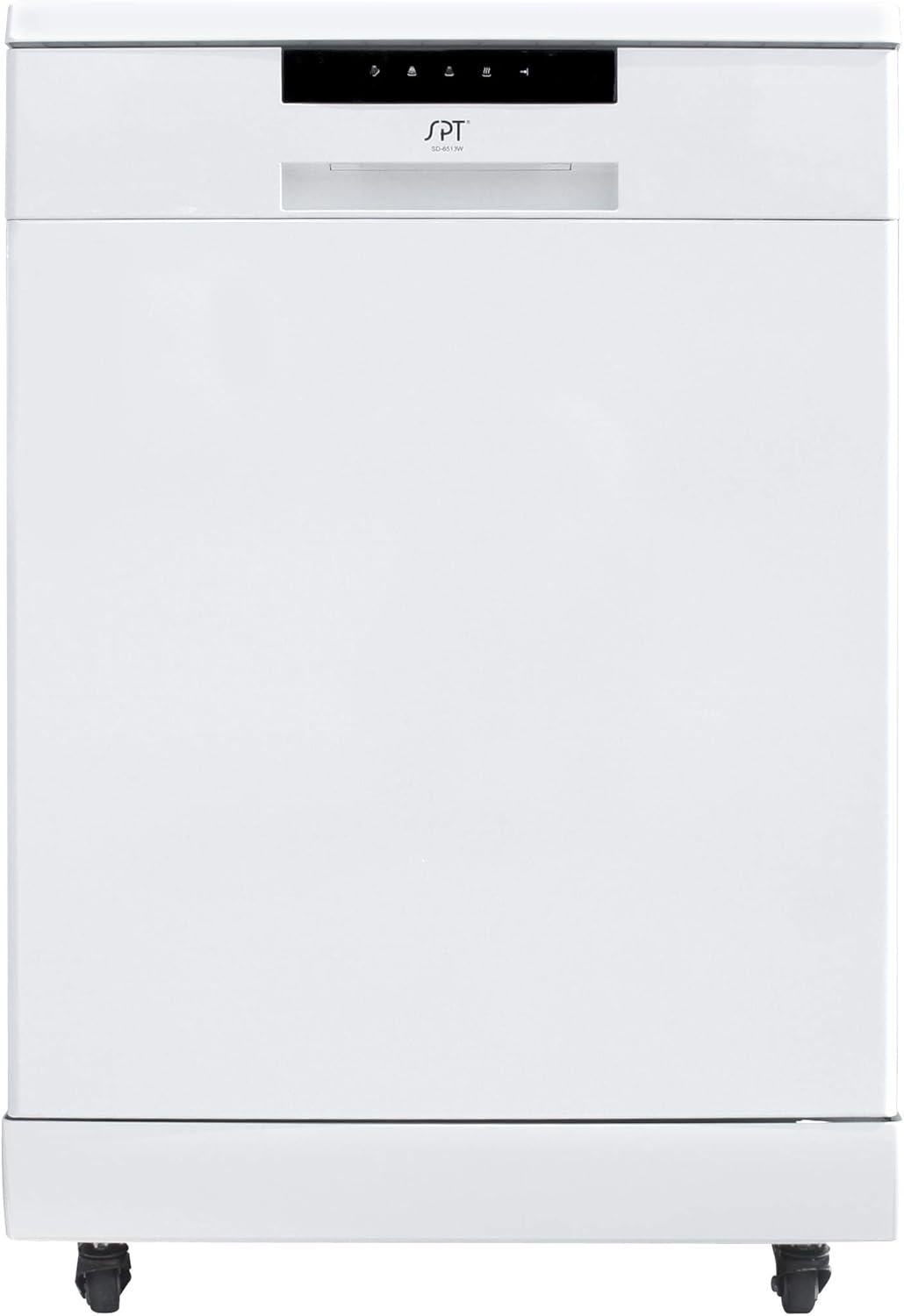
SPT 18-inch vs 24-inch portable
A third more floor, a quarter more capacity
How the figures are checked
Each review on this site carries a specification table, and each product’s Amazon page carries its own. They are independent transcriptions of one listing, which makes it possible to check one against the other. Where both state a figure and agree, the comparison pages print it. Where they disagree, or one is silent, the pages say so, because a listing that contradicts itself is part of what you need to know before you buy.
The checks have turned up things worth knowing: we found that about one review in ten on this site was of something that was not a dishwasher, and removed them; that Amazon’s “category” for a product often differs from where we filed it; and that one of our own reviews repeated a capacity figure from a listing that contradicted itself. Agreement between our table and Amazon’s was high on noise, 88 of 92 exact, and on place settings, 44 of 48.
Where to go next
- To narrow by your own answers, use the dishwasher finder;
- To read one machine in full, browse the built-in dishwasher reviews or the countertop dishwasher reviews;
- To see how a review is written, read how our reviews work.
Figures are the manufacturers’, as published on each listing and quoted in our reviews; none was measured by us. How we work · Affiliate disclosure