

Built-in dishwashers: decibels, place settings and the third rack
A built-in dishwasher slides into a cabinet opening under the worktop and is plumbed in permanently. It is the machine most kitchens are designed around, and its specification sheet is about three things: how much it holds, how quiet it is, and how it dries.
What the category is
A dishwasher built to a standard opening — 24 inches wide in most kitchens, 18 inches in small ones — that connects to the hot water supply and the drain and stays put. Front-control models show their buttons on the door; top-control models hide them on the door’s upper edge for a flat front. Panel-ready models take a cabinet door on the front. All of them are the same machine underneath, and the specification sheet reads the same way.
How to read the spec sheet
Width comes first, because nothing else matters if it does not fit: 24 inches is standard, 18 inches is the compact size, and the sheet also gives height and depth for the opening and whether the height adjusts.
Place settings is the capacity figure, quoted against a standard set of plates, bowls, glasses and cutlery. Twelve to sixteen is the range for a 24-inch machine, eight to ten for an 18-inch. It is comparable between models and unlike anything in your cupboard.
Decibels is the figure people shop on. Below 45 dB is inaudible over conversation; 45 to 50 is quiet; above 52 you know it is running. The sheet does not say which cycle the figure was measured on, and a review should not pretend it does.
Drying is a method, not a result. A heated element dries hardest and costs the most to run; condensation drying on a stainless-steel tub is quiet and gentle on plastics but leaves them damp; an auto-open door at the end of the cycle helps either; a fan helps more. The sheet names the method and a review should say what it usually means for plastics and glassware.
Racks: a third rack for cutlery and utensils frees the lower basket and is the feature that most changes how a machine loads. Adjustable upper rack height, fold-down tines and a stemware holder are all on the sheet or not.
Cycles and options: the count is marketing; the names are useful. A quick cycle, a heavy or pots cycle, a sanitize option and a half-load or zone option are the ones that get used. A soil sensor, where listed, adjusts the cycle to the load.
Water and energy: annual kilowatt-hours and gallons per cycle appear on the energy label and sometimes on the sheet. Energy Star status is the shorthand.
Tub material: stainless steel dries better, lasts longer and is quieter; a plastic tub is cheaper. A stainless front with a plastic tub is common, and the sheet says which.
Who it suits
Any kitchen with a cabinet opening and the plumbing, which is most of them. A household that runs it daily should weigh decibels and drying above cycle count; a household that runs it twice a week should weigh capacity.
Who should skip it
Anyone without an opening and the plumbing to fill it — a rental with no dishwasher space, a studio, a boat. That is what countertop and portable machines are for.
Where to start
Or answer four questions and let the dishwasher finder narrow the 43 to the ones that fit how you sleep.
To see specific models side by side, read dishwasher comparisons, including the built-in class report.
Six of the 43 built-in dishwashers reviewed on this site, one per model, across manufacturers. Every review is written from the manufacturer’s published specifications — how, and what that leaves out.
- Bosch 24-in Dishwasher
- Kenmore 24 in Dishwasher
- Sharp SDW6504MS Dishwasher
- EdgeStar 18-inch Dishwasher
- Midea 18-Inch Built-In Dishwasher
- ZLINE 18-in Dishwasher
All 43 built-in dishwasher reviews
Newest first. Consumables, accessories and parts that were once filed here are excluded.
-
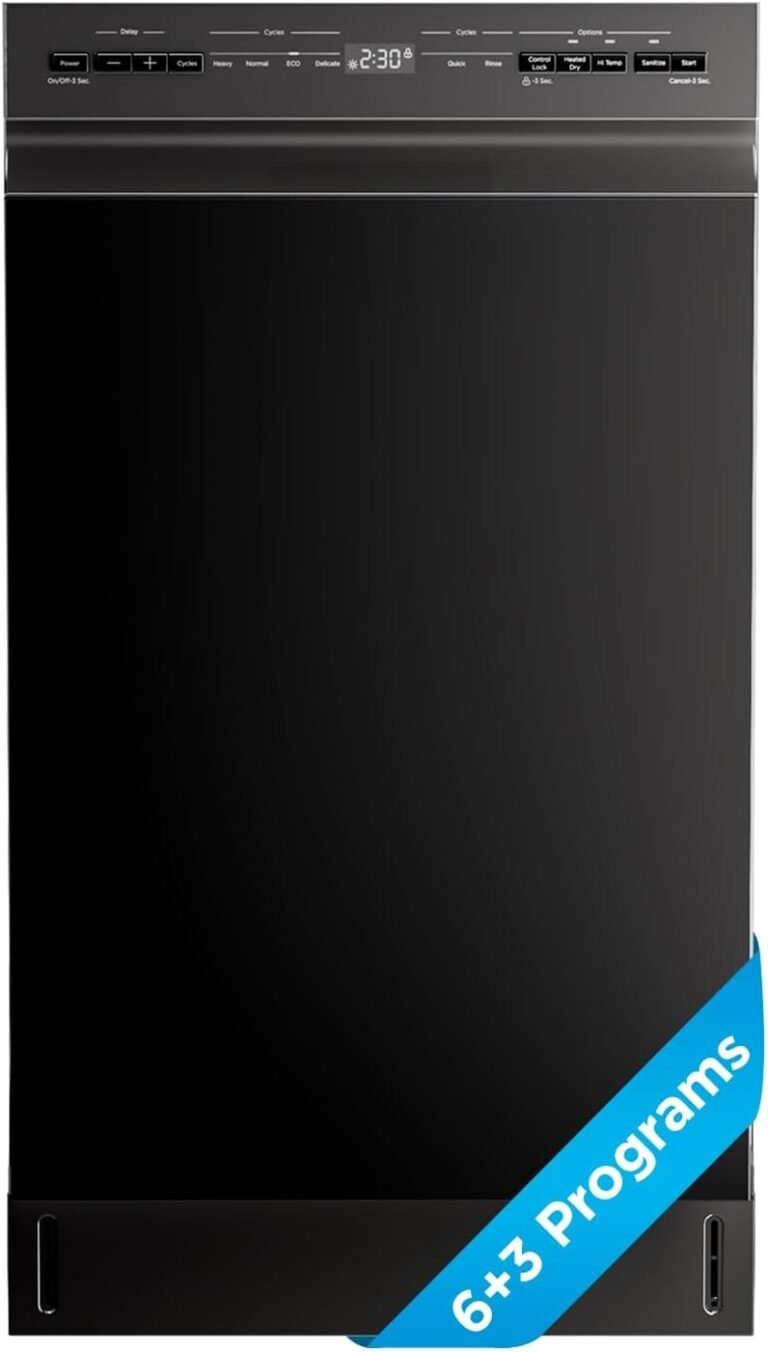
Midea Slimline Dishwasher: Quiet, Efficient Cleaning 2026
Compact Midea built-in dishwasher: effective cleaning, 52 dB quiet operation, heated dry, and Energy Star efficiency for small kitchens and apartments.
-
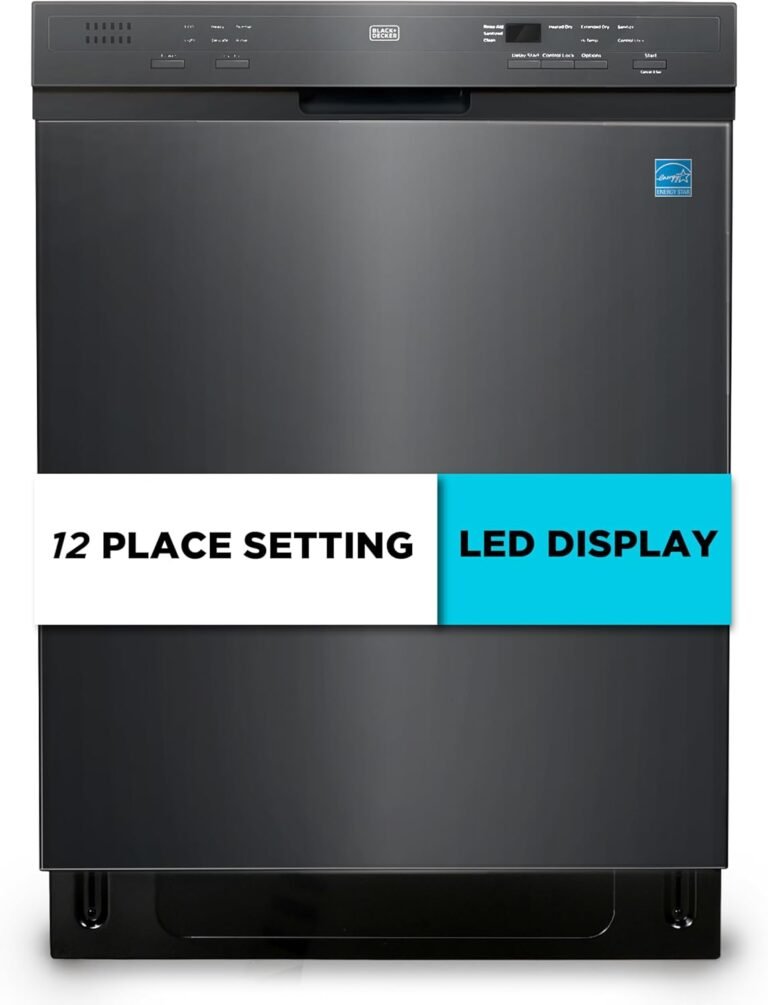
Quiet Cleaning Performance: BLACK+DECKER BDW200 Guide
BLACK+DECKER BDW200 review: cleaning coverage and Smart Sensor wash, 52 dB operation, stainless-steel tub, ENERGY STAR efficiency for small-to-mid households.
-
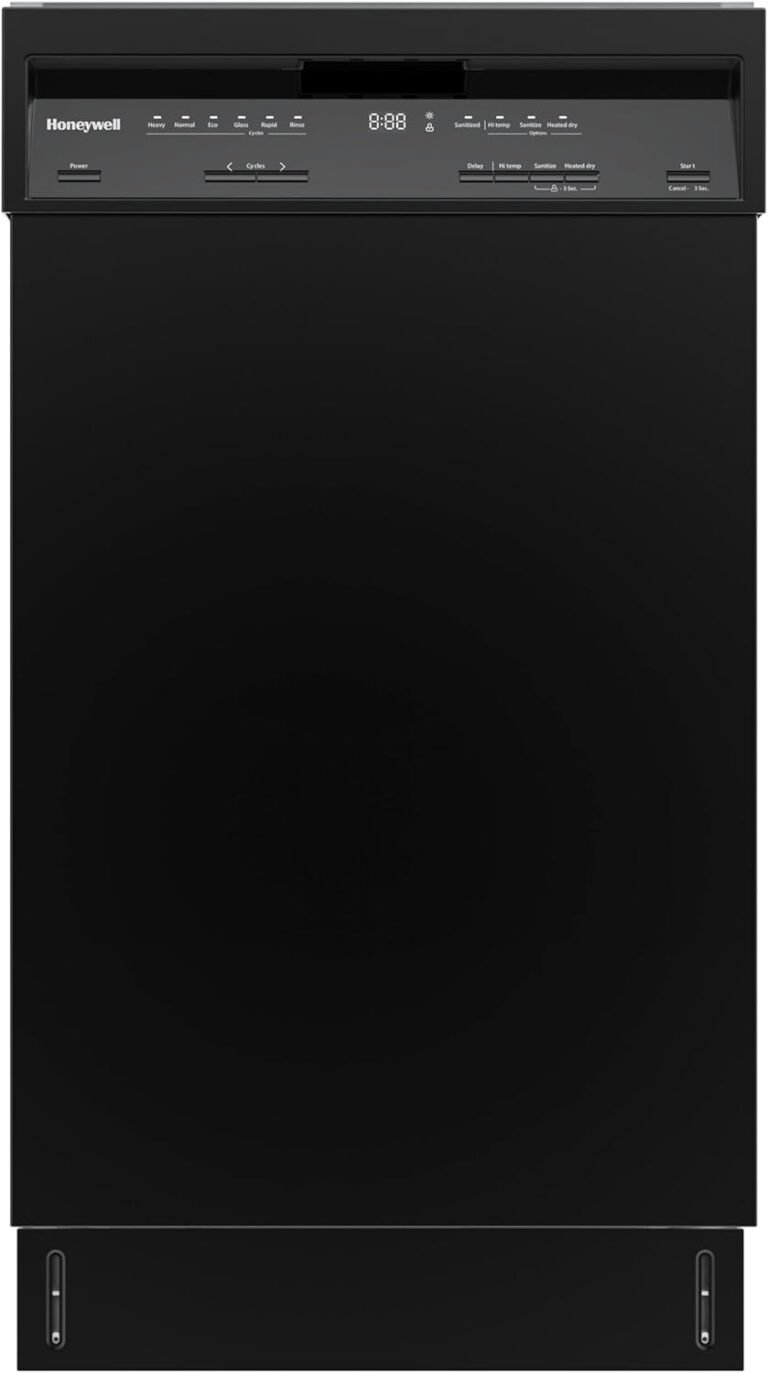
Quiet Cleaning and Efficiency: Honeywell 18 Inch Dishwasher
Honeywell 18 HDS18B: stainless‑steel tub, six wash cycles, 42 dB noise rating, Energy Star efficiency, 14‑place capacity—compact, quiet cleaning for small kitchens.
-
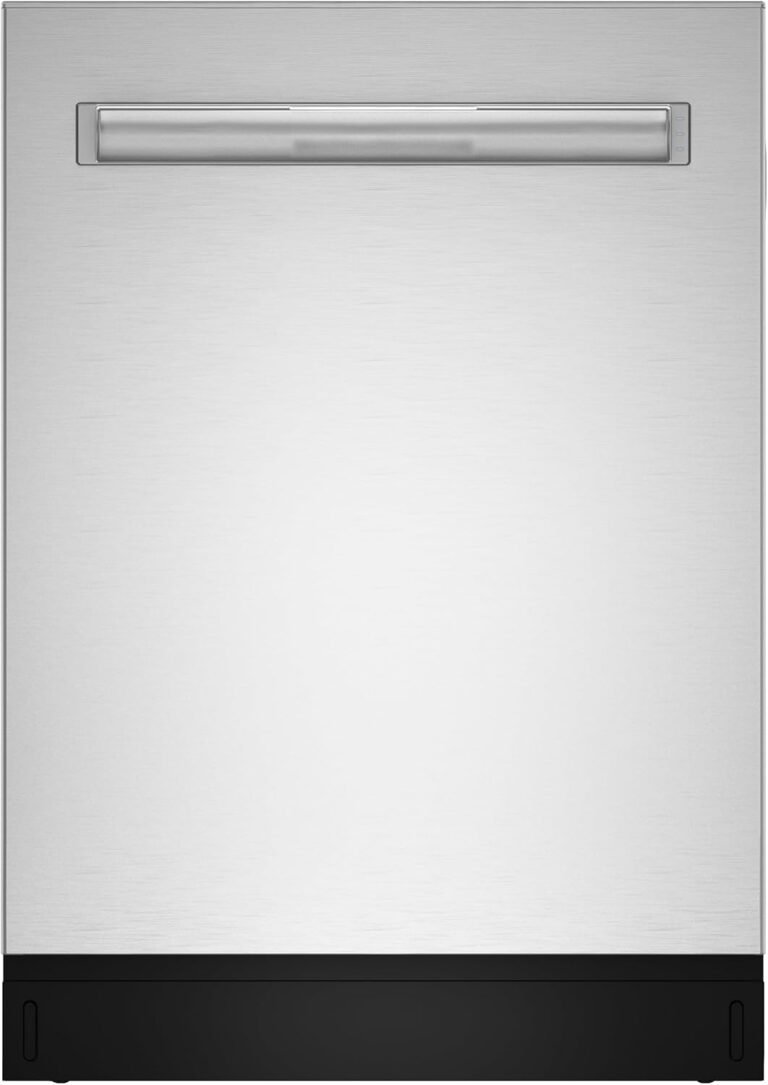
Sharp SDW6726MS Dishwasher — Quiet, Efficient Cleaning Power
Sharp SDW6726MS provides Power Wash cleaning, 47 dB Library Quiet noise, and a three-rack layout — ideal for small-to-medium kitchens seeking efficient…
-

Sharp SDW6767HS: Quiet 45dB and Cleaning Power for Busy Homes
Sharp SDW6767HS review: 45dB library-quiet dishwasher with Power Wash, adjustable third rack, heated fan-assisted dry, and Energy Star efficiency for busy homes.
-
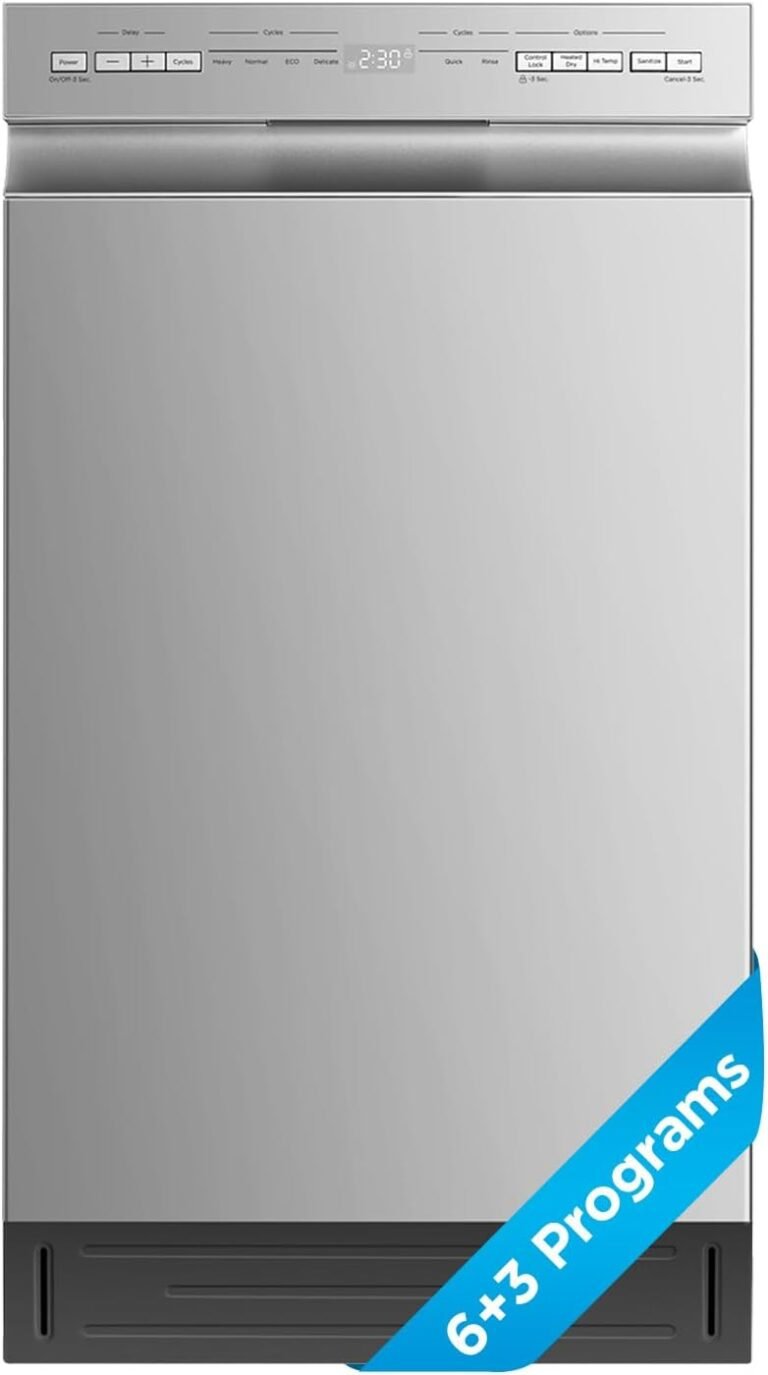
Midea 18-Inch Built-In Dishwasher: Quiet, Efficient Cleaning
Midea 18-inch built-in dishwasher offers focused wash coverage, six cycles including sanitize, 52 dB operation, and ENERGY STAR efficiency for small kitchens.
-

Honeywell 18-Inch Dishwasher Review: Clean, Quiet, Compact
Assessment of cleaning power, stainless-steel tub drying, and 42 dB noise performance for small and open-plan kitchens. Energy Star efficiency for compact…