Quiet efficient 18-inch dishwasher for small kitchens 2026
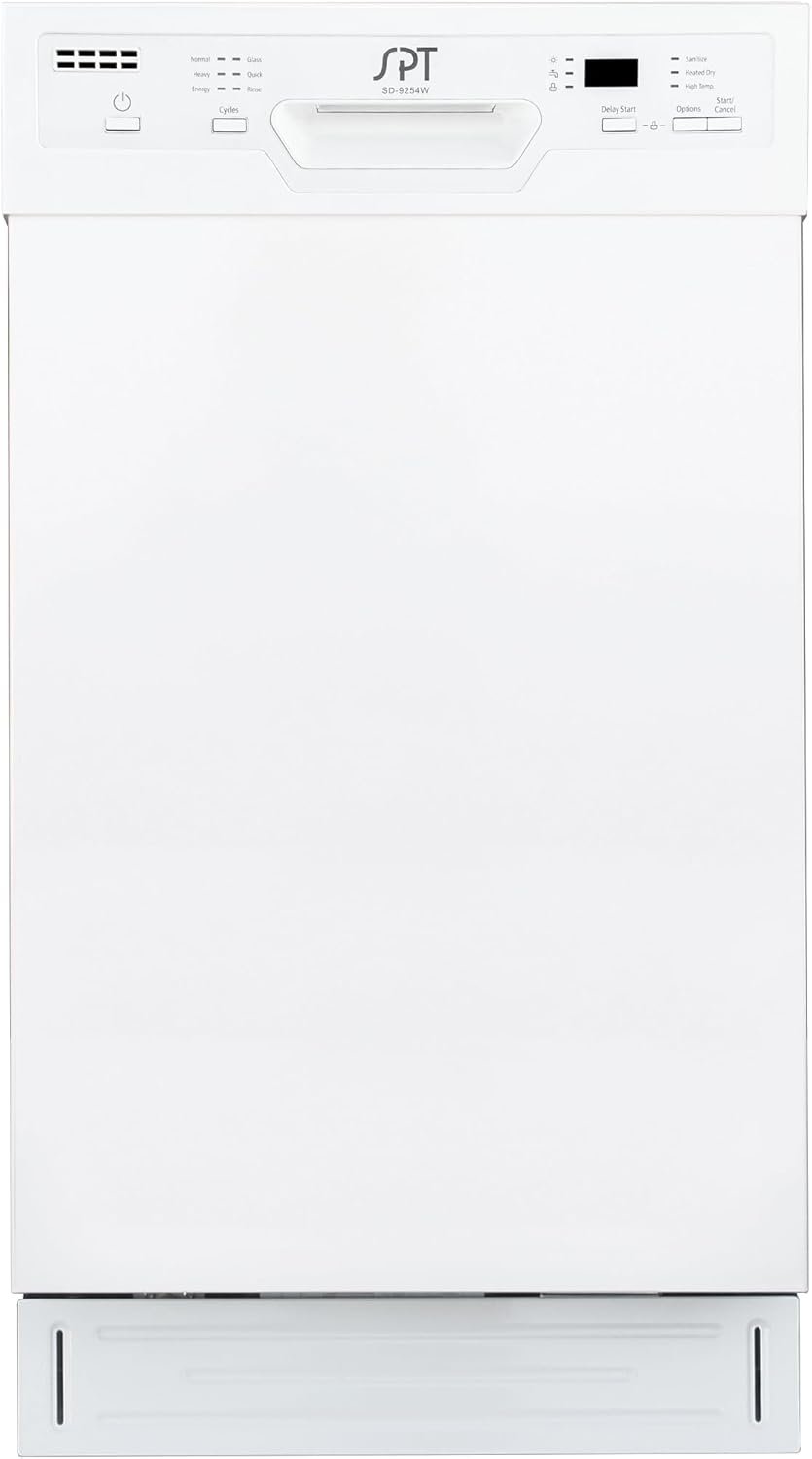
Why dishwasher selection matters for small households and open kitchens
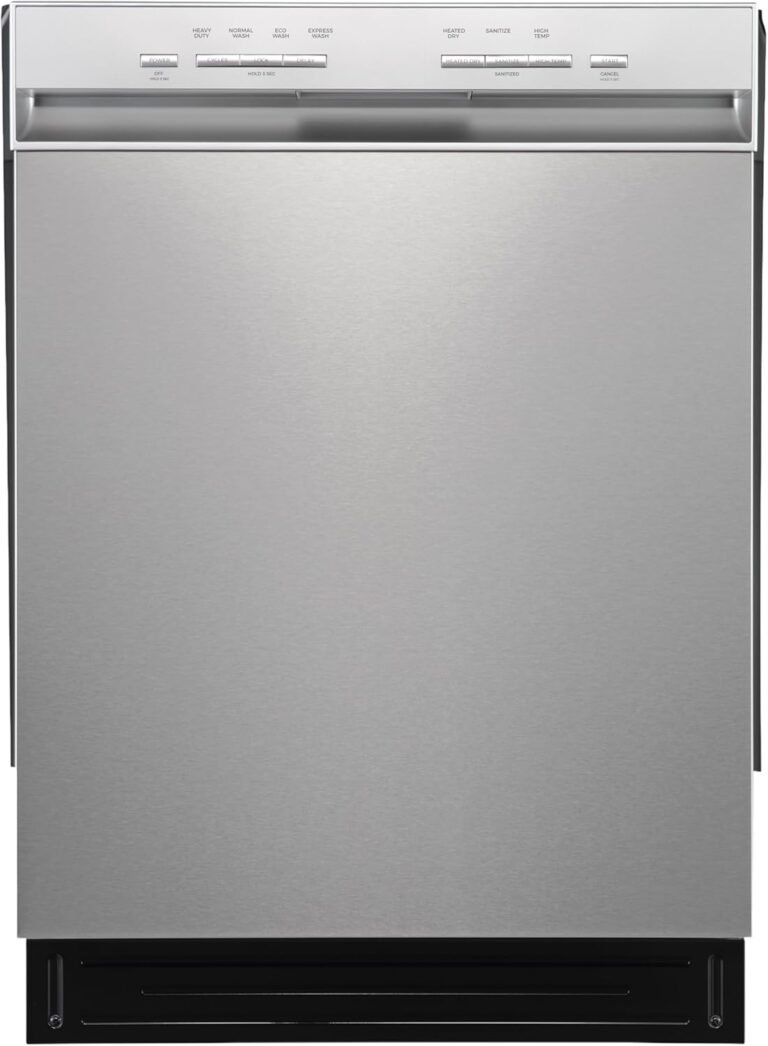
Selecting the right dishwasher affects cleaning outcomes, household routines, and kitchen layout planning. For small households or apartment kitchens, an 18-inch built-in unit must balance capacity with footprint while delivering consistent soil removal and effective drying. Noise sensitivity is a key factor for open-plan living because a unit rated near 52 dB will be audible in adjacent living spaces; buyers must weigh sound ratings against performance features. Efficiency expectations include low water use per cycle and an ENERGY STAR annual energy figure; those metrics indicate ongoing operating behavior rather than instantaneous results. Durability and serviceability are influenced by materials such as a stainless steel tub, the presence of replaceable filters, and the accessibility of mounting and inlet/drain connections. Finally, typical use patterns — frequency of runs, heavy-soiling versus light rinsing, and the need for heated drying — should guide whether a compact, top-mount built-in model with multiple cycles and a 700 W heater matches household needs.
Quick Overview
| Feature | Details |
|---|---|
| Dishwasher type | Built-in, top-mount installation (top-mount brackets included) |
| Capacity | 8 place settings, 4.9 gallons per normal cycle water use |
| Wash programs | 6 programs: Normal, Heavy, Energy, Glass, Quick, Rinse |
| Cleaning hardware | Two spray arms, upper and lower racks, silverware basket, automatic dispensers |
| Drying method | Heated drying with 700 W heater |
| Noise level | 52 dB (normal cycle) |
| Energy | ENERGY STAR certified; 234 kWh/year annual energy consumption |
| Dimensions & fit | 17.6″ W x 22.6″ D x 32.4″ H (depth 44.5″ with door open); top-mount design |
| Tub material | Stainless steel interior |
| Warranty | 1 year limited on parts and labor |
These specifications translate into a compact built-in solution suitable for kitchens with limited cabinet width and households that run the dishwasher regularly but do not require family-sized capacity. The combination of a stainless tub, heated drying, and six wash programs supports versatility for mixed loads, while top-mount installation and the 18-inch form factor narrow the candidate pool to kitchens prepared for an inset compact dishwasher.

Cleaning performance and wash coverage
The SD-9254W’s cleaning performance is shaped by its two spray arms, automatic detergent dispensing, and program options. Two spray arms provide layered coverage—typically a lower arm for plates and a rotating upper arm for glasses and smaller items—supporting distribution of water and detergent across both racks. The Heavy and Normal programs use longer soak and higher motor power periods to increase soil agitation, while the Energy and Quick cycles reduce runtime or soak durations. The glass cycle implies softer spray and lower temperatures to protect fragile ware. Filtration and the stainless steel tub affect turbidity handling: stainless walls reflect heat and reduce condensation spots while a removable filter system traps larger particles to prevent re-deposition. Overall, spray geometry, cycle selection, and filtration together determine soil removal efficiency for typical domestic loads.
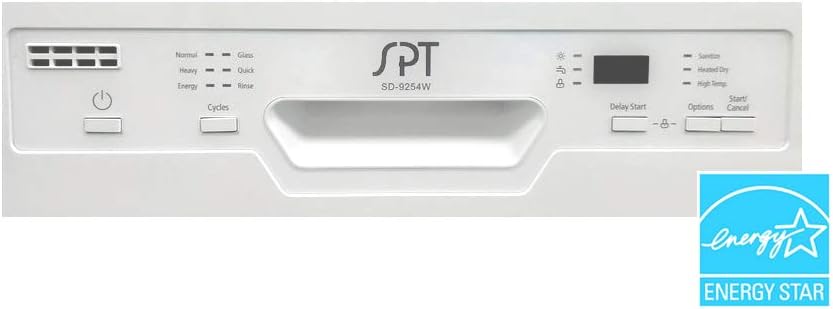
Spray arm layout, pump power, and coverage
Two spray arms in an 18-inch form factor must balance spray angle and rotational clearance. The lower arm targets larger items and the upper arm addresses cups and small plates; both benefit from adequate pump flow to produce effective jet velocities. In compact units, pump power and nozzle sizing influence impingement force—important for baked-on foods—while cycle duration and water temperature profile influence detergent activation. The presence of a 100 W wash motor supports steady circulation, and a stainless steel tub maintains temperature stability during wash phases, improving detergent chemistry performance. Placement of the silverware basket also alters spray patterns, so load planning is essential to avoid shielding.
Filtration, soil removal, and rinse aid impact
A removable filter system captures coarse food particles and prevents recirculation, which helps maintain wash performance across cycles. Use of rinse aid assists in reducing surface tension on glassware and dishes, promoting faster soil suspension during final rinse and improved sheet-off during heated drying. The rinse aid warning indicator supports timely replenishment to sustain spot- and film-reduction performance. Filtration effectiveness combined with program selection—particularly energy or normal cycles that include extended rinse phases—directly affects clarity outcomes on glass and cutlery in household settings.
Cycle selection strategy for mixed loads
Choosing the correct program determines water temperature profile, duration, and pump activity. For mixed loads with delicate items and heavier pans, layering similar soils by running two separate cycles generally yields better outcomes in compact machines. The glass program minimizes temperature and aggressive spray to protect fragile items, while the heavy cycle increases soak times and pump intensity to dislodge baked-on residues. Quick cycles favor lightly soiled loads and can conserve water and time but may not provide adequate agitation or temperature exposure for greasy cookware. Strategic loading and cycle pairing help optimize cleaning coverage in an 8-place setting capacity.
Capacity, rack design, and loading ergonomics
Capacity and rack design determine how many usable items fit per cycle and how easily items are loaded. The SD-9254W lists an 8 place setting capacity, which is typical for 18-inch built-ins and suits singles, couples, or small families who run frequent, smaller loads. Two pull-out dish racks and a dedicated silverware basket support organized loading; however, compact width reduces spacing between tines so larger serving pieces or tall stemware may require angled placement. Rack material, adjustability, and tine alignment affect both stability and spray access. Depth with the door open extends to 44.5 inches, which should be considered where aisle clearance or appliance-to-island proximity is limited. The top-mount installation profile also means cabinetry trim and toe-kick clearances are relevant to fit and usability.

Rack spacing, utensil placement, and stemware care
Rack tine spacing in compact dishwashers is typically narrower, so flatware and shallow bowls align well but larger platters may intrude into spray paths. A removable or repositionable silverware basket enables placement flexibility but can block lower-spray streams if positioned poorly. For stemware, the glass cycle and upper-rack placement reduce thermal shock and high-velocity impingement; angling glasses toward the spray arm and using space between tines helps avoid clinking and breakage. The stainless steel tub provides a stable interior that reduces vibration-related contact, benefiting fragile items when racks include soft-touch coatings.
Loading strategies to maximize capacity and coverage
Optimal loading in a small-capacity dishwasher prioritizes spray access and prevents nesting. Plates should be staggered and facing the center for best impingement from the lower arm; bowls and cups on the upper rack should face downward and be offset to avoid mutual shielding. Large cookware that fits should be oriented to expose soiled surfaces to direct spray. When capacity limits require mixed loads, grouping by soil level and run frequency ensures that heavily soiled pans do not compromise glass clarity. Simple pre-rinse or soak of heavily baked-on residues before loading may improve final results on energy cycles.
Space planning and installation clearance considerations
The unit’s 17.6″ width and 22.6″ depth make it appropriate for cabinets designed to accept 18-inch built-in appliances, but top-mount installation and the lack of included side-mount brackets necessitate verifying cabinet framing and clearance. Door swing depth of 44.5″ when fully open requires unobstructed aisle space; proximity to islands or adjacent cabinetry must be assessed to avoid interference. The included top-mount brackets simplify attachment at the counter face, yet side mounting requires separate hardware. Adequate air gaps, drain routing, and access to a 120 V outlet also factor into practical placement and long-term serviceability.
Noise levels and suitability for open-plan living
A declared operating noise level of 52 dB positions the dishwasher in the moderate-quiet range—noticeable but not intrusive in many home layouts. In open-plan living areas, 52 dB is generally audible during active conversation but often blends into background noise rather than dominating the environment. Acoustic perception depends on cabinetry insulation, floor and ceiling reverberation, and proximity to living areas; enclosed cabinetry and tight counter surrounds can reduce perceived sound. Noise characteristics—motor hum, pump whine, or drain cycles—vary by cycle selection and wash intensity. For noise-sensitive households or spaces where the kitchen flows into sleeping areas, evaluating placement, adding sound-absorbing cabinetry liners, and scheduling runs during daytime or non-critical hours helps manage disturbance without sacrificing cleaning frequency.

Understanding decibel ratings and real-world perception
Decibel values are logarithmic; a 52 dB rating indicates a moderate sound level comparable to a quiet office or background conversation. Perceived loudness doubles roughly every 10 dB, so 52 dB is substantially quieter than older models in the 60+ dB range but still discernible. Different cycles may produce variable peak noise—drain pump and wash motor pulses can momentarily exceed steady-state levels. Acoustic coupling into cabinetry and flooring transmits vibration; mounting quality and a stainless steel tub reduce resonance compared with thin inner liners but do not eliminate transmitted noise.
Noise management strategies for open kitchens
To mitigate perceived noise, situating the dishwasher away from direct sightlines to seating areas is effective. Cabinetry insulation, anti-vibration pads under the base, and ensuring tight hardware mounts reduce structure-borne noise. Running energy or glass cycles at lower mechanical intensity can lower instantaneous sound while still providing adequate cleaning for lightly soiled loads. Delay-start scheduling to daytime or non-critical hours provides a behavioral mitigation approach for households sensitive to noise during evening activities.
When noise ratings influence purchase decisions
Buyers prioritizing near-silent operation should compare units with noise ratings in the mid-40s dB; 52 dB is a compromise between compact footprint and quieter engineering. Those in apartments with thin walls or open-plan studios where the kitchen is adjacent to sleeping spaces may find a lower dB rating preferable. For secondary kitchens, seasonal homes, or utility spaces where proximity to living areas is limited, a 52 dB compact dishwasher balances performance and cost-effective engineering without requiring specialized sound packages.
Energy, water efficiency and maintenance expectations
An ENERGY STAR certification and an annual energy consumption figure of 234 kWh indicate a focus on efficiency relative to baseline models, while a normal-cycle water use of 4.9 gallons demonstrates conservative water consumption consistent with compact, modern dishwashers. Energy and water efficiencies arise from optimized wash pumps, heated drying control, and cycle profiling. The 700 W heater provides effective heated drying but increases instantaneous power draw during the dry phase; energy-efficient runs may use the Energy cycle or avoid heated drying for lighter loads. Maintenance considerations include routine filter cleaning to prevent redeposition, checking door seals for leaks, and refill reminders such as the rinse aid indicator to sustain drying and spotting performance. The one-year limited warranty covers parts and labor, which is consistent with many compact appliance offerings.
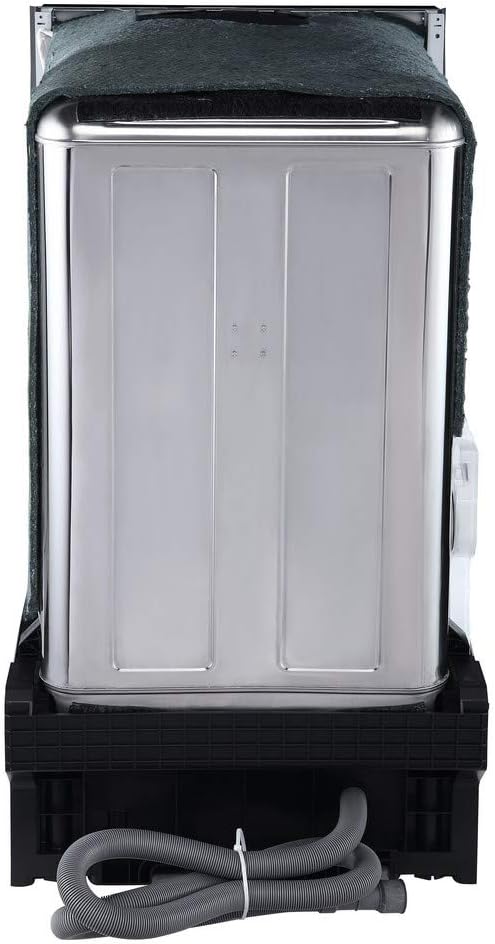
Interpreting ENERGY STAR and annual energy numbers
ENERGY STAR certification reflects that the model meets federal guidelines for energy efficiency; the stated 234 kWh/year is an annualized estimate based on standardized usage. Actual energy use depends on cycle selection frequency, use of heated dry, and household loading patterns. The Energy program likely reduces both runtime and heat usage to minimize consumption. Households prioritizing low operational costs should consider cycle choice, avoid unnecessary heated dry, and run full loads when practical to maximize energy and water per item cleaned.
Water consumption and its impact on cleaning cycles
A water use of 4.9 gallons per normal cycle is low compared with older models that used significantly more water. Lower water volumes require effective spray coverage and sufficient pump pressure to deliver mechanical cleaning. Filtration and soil removal must be efficient to prevent reuse of dirty water; this model’s automatic dispensers and filter help manage turbidity. For heavily soiled cookware, pre-soak or a heavy cycle with longer duration provides better results when water volume is limited.
Routine maintenance, filter care, and longevity indicators
Removable filters should be cleaned on a regular schedule to maintain wash quality; accumulated debris can cause odors, reduce flow, and affect pump longevity. Door gasket inspection prevents leaks and reduces the need for repair. The stainless steel tub is a positive longevity indicator, resisting staining and warping compared to polymer interiors. Attention to proper detergent dosing, rinse aid use, and avoiding excessive detergent residue will support long-term component health and reduce service needs.

Pros & Cons
Pros
- Compact built-in footprint: The 18-inch width and top-mount design suit narrow cabinet openings and small kitchens, enabling built-in installation where standard 24-inch units will not fit. This size makes it appropriate for apartments, condos, and galley kitchens.
- ENERGY STAR certified and low water use: An annual energy estimate of 234 kWh and 4.9 gallons per normal cycle indicate efficient operation compared with older, less-efficient models. The Energy program and routine selection choices support conservation goals.
- Stainless steel tub and heated drying: A stainless interior enhances heat retention during cycles and resists staining, while the 700 W heating element improves moisture control in drying phases for better sheet-off and glass clarity when rinse aid is used.
- Six wash programs with automatic dispensers: Program versatility—Normal, Heavy, Energy, Glass, Quick, and Rinse—covers common household requirements, and automatic detergent dispensing helps ensure correct dosing during cycles.
- Moderate noise performance: A rated 52 dB makes the unit suitable for many households, offering a balance between mechanical performance and acceptable acoustic presence in open layouts.
- Practical install inclusions: Top-mounting brackets and included drain tube simplify the standard built-in installation process when cabinetry is prepped for an 18-inch inset.
Cons
- Limited capacity for larger households: The 8 place setting capacity limits full-load convenience for families or households that prefer infrequent, large-capacity runs. Users with larger cookware may need alternate cleaning methods or more frequent cycles.
- Top-mount installation only (side brackets not included): The unit is designed for top-mount installation and does not include side-mount hardware, which may require additional parts or professional adjustments in certain cabinetry setups.
- Drying uses a 700 W heater: Heated drying improves moisture control but increases instantaneous energy draw and may lengthen cycle energy use; households focused strictly on energy minimization may prefer air-dry strategies.
- Noise still perceptible in very quiet spaces: At 52 dB the unit is quieter than many older models but may remain noticeable in ultra-quiet environments or immediately adjacent living and sleeping spaces.
- Limited advanced features: The unit focuses on core functionality and lacks some premium features such as adjustable third racks, targeted high-pressure jets, or app connectivity that appear on higher-end models.
Final Verdict: Who This Dishwasher Is Best For (and Who Should Skip It)
The SPT SD-9254W is well-suited to singles, couples, and small households seeking a built-in 18-inch dishwasher that balances compact capacity with ENERGY STAR-rated efficiency and a stainless steel tub. It is a practical choice for kitchens constrained by cabinet width where a full-size unit cannot be accommodated, offering six wash programs, a heated drying function, and conservative water use. The 52 dB noise rating positions it as an option for open-plan living when moderate background noise is acceptable, and the top-mount installation suits many retrofit scenarios where top anchoring is available.
Households that should reconsider include larger families or those who prefer to run the dishwasher infrequently with large mixed loads, as the 8 place setting capacity and narrower rack spacing limit bulk handling. Noise-sensitive buyers in studio apartments or bedrooms adjacent to the kitchen may prefer models engineered below 50 dB. In comparison to similar compact built-ins available in 2026, this model provides a value-focused mix of efficiency, stainless-steel durability, and essential program variety, but it lacks some premium adjustability and ultra-quiet engineering found in higher-end compact dishwashers.

Frequently Asked Questions (FAQs)
How many place settings will fit in an 18-inch dishwasher?
An 18-inch built-in dishwasher like this model is typically rated for around eight standard place settings. This capacity suits singles, couples, or small households but limits the ability to run large family loads. Efficient loading and staggered placement of plates, bowls, and utensils help maximize usable space while preserving spray access and cleaning performance.
Is a 52 dB dishwasher quiet enough for an open-plan kitchen?
A 52 dB rating is moderate-quiet: it is usually audible but blends into typical living room background noise. For many open-plan kitchens this level is acceptable, though those in studios or rooms immediately adjacent to sleeping areas may prefer models rated in the mid-40s dB for near-silent operation. Placement, cabinetry insulation, and cycle choice also affect perceived sound.
Does heated drying improve dish dryness after a cycle?
Heated drying assists moisture evaporation and improves sheet-off on flatware and glassware, especially when used with rinse aid. The 700 W heating element increases drying effectiveness but also raises instantaneous energy draw during the drying phase. For energy-conscious households, selecting non-heated or energy cycles can reduce consumption at the expense of longer or wetter loads.
What routine maintenance keeps cleaning performance consistent?
Routine maintenance includes cleaning the removable filter to prevent clogging and redeposition, inspecting and wiping the door gasket to avoid leaks, and refilling rinse aid to limit spotting. Periodic checks of spray arms for blockage and ensuring the detergent dispenser operates freely will maintain spray coverage and detergent distribution, supporting consistent wash outcomes over time.
How does the ENERGY STAR rating affect long-term energy expectations?
ENERGY STAR certification indicates the model meets federal guidelines for energy efficiency. The stated annual energy estimate reflects standardized usage scenarios; actual energy use varies with cycle choice, frequency of runs, and use of heated drying. Choosing energy modes and running full loads when possible helps realize the potential efficiency benefits in regular household operation.
Are there installation limitations for a top-mount 18-inch dishwasher?
Top-mount installation requires an appropriate cabinet face frame to secure the included top-mounting brackets; side-mount brackets are not included. The depth with door open (about 44.5 inches) requires sufficient aisle clearance, and proximity to islands or obstructive cabinetry should be verified prior to installation. Ensuring access to a 120 V outlet and proper drain routing is also necessary for built-in placement.
Can the SD-9254W handle heavily soiled cookware?
The Heavy cycle is intended to increase soak time and pump activity to address more soiled items, but the compact water volume and smaller internal capacity mean very large pots or heavily baked-on residues might require pre-soaking or separate cleaning strategies. Strategic loading, pre-soaking, and using the Heavy program improve outcomes for tougher soils in this size class.
How important is the stainless steel tub for durability?
A stainless steel tub enhances durability by resisting staining and warping compared to polymer tubs, and it helps retain heat during wash cycles for more consistent water temperature. This can positively affect both cleaning chemistry and long-term integrity, making it a valuable feature in compact built-in dishwashers.