Kenmore 24″ Dishwasher: Quiet, Efficient Cleaning for Homes
Introduction
Choosing a dishwasher shapes daily kitchen routines, impacts utility consumption, and influences open-plan living comfort. Selection matters when household size, meal frequency, and kitchen layout determine capacity needs and loading flexibility. Noise sensitivity is critical for open kitchens or small homes where a running dishwasher can interrupt conversation and television. Cleaning expectations vary by user: some prioritize rapid cycles for light loads while others require aggressive cleaning for pots and baked-on foods. Energy and water efficiency inform long-term utility performance, and build materials such as a stainless steel tub affect durability and drying behavior. This review examines the Kenmore 24″ Built-In Dishwasher through specification-driven analysis to help prospective buyers align cleaning performance, noise level, capacity, drying systems, and maintenance demands with household priorities and kitchen constraints.
Quick Overview
| Feature | Details |
|---|---|
| Dishwasher type | Built-in 24″ integrated dishwasher |
| Capacity | 15 place settings |
| Wash cycles & tech | SmartWash sensor cycle, UltraWash Plus, Accela Wash, Sani Rinse, Half Load, High Temp |
| Spray system & filtration | Three pressurized spray arms, filtered water system, stainless steel tub filtration |
| Drying method | TurboDry active fan plus heating element for boosted drying |
| Noise level | 45 dBA, QuietWash option available |
| Energy & water | ENERGY STAR certified; reported water consumption 4.5 gallons per cycle |
| Dimensions & installation | 24.61″D x 23.55″W x 33.88″H; built-in installation |
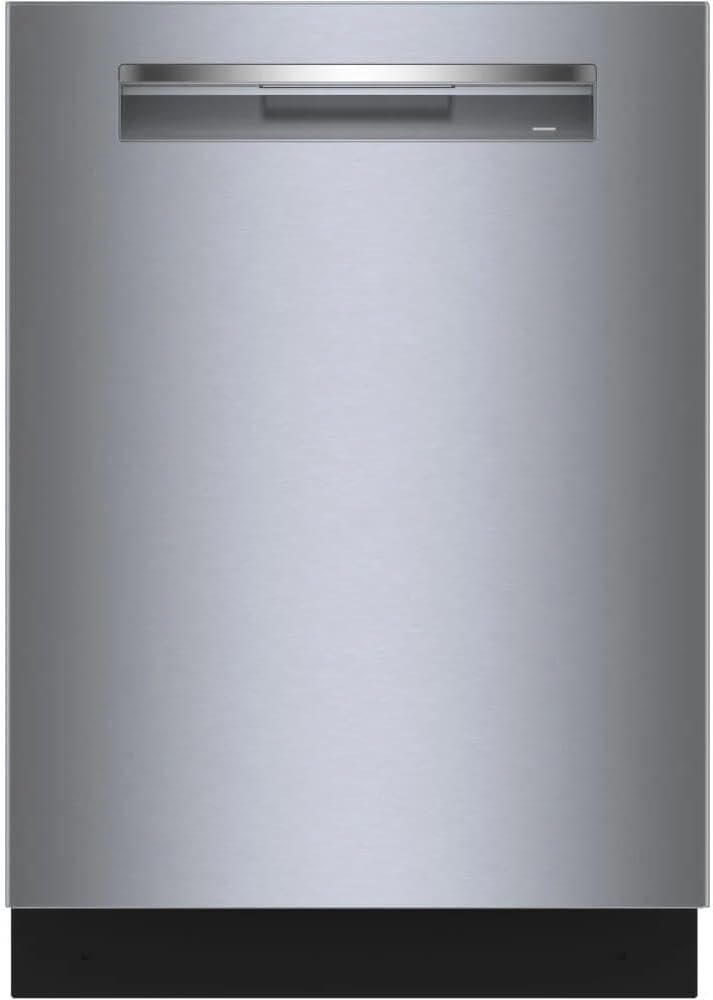
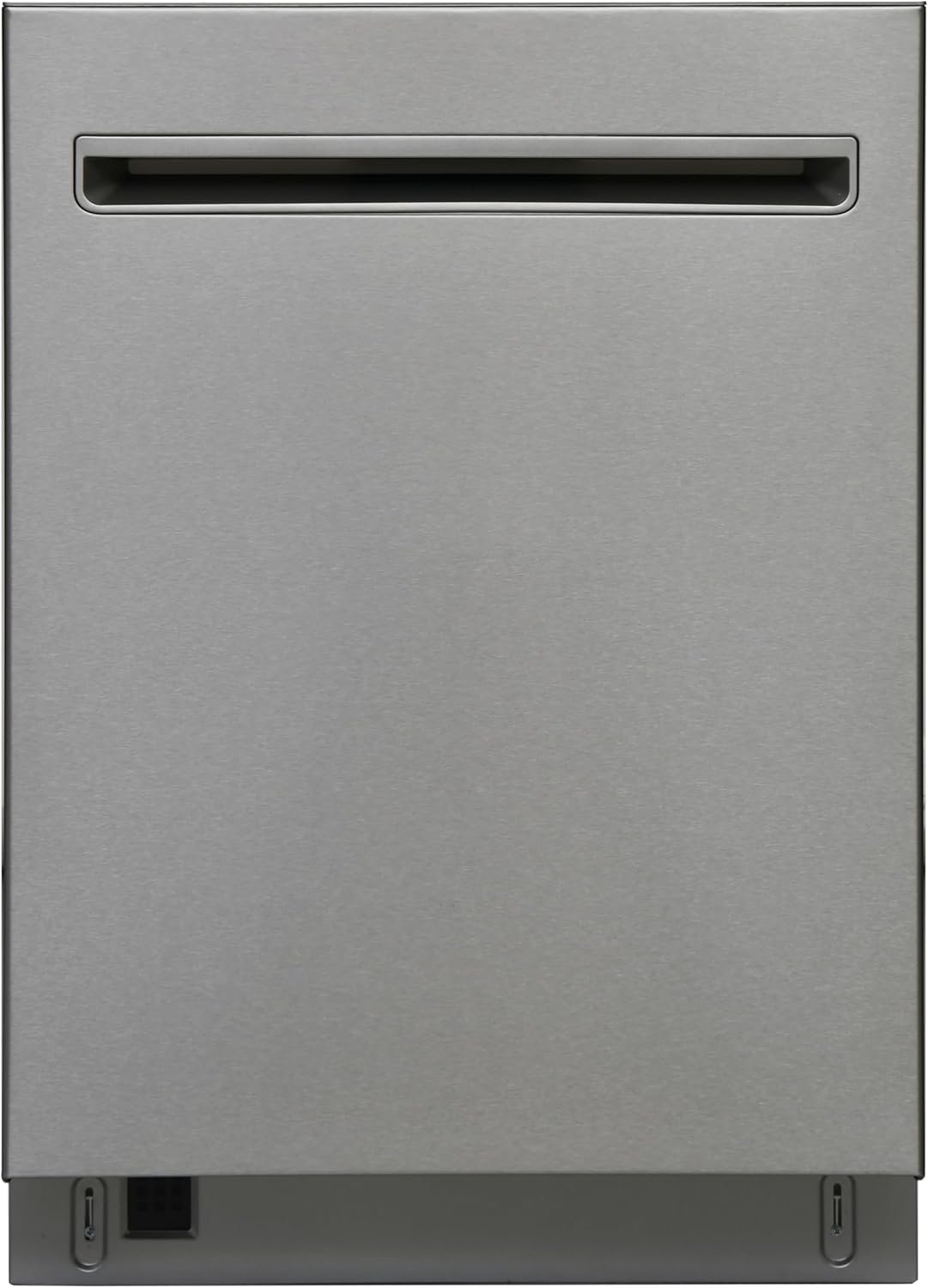
| Material & controls | Fingerprint-resistant stainless steel finish; touch controls with LED display |
The table summarizes core specifications relevant to everyday use. The combination of a 15-place-setting capacity and an adjustable interior suits households that host regular dinners or have multi-person kitchens, while the smart cycles and three-spray-arm design target varied soil levels. Noise and drying systems affect placement in open-plan kitchens and homes with infants or remote workspaces. ENERGY STAR certification and the stated 4.5-gallon water consumption provide baseline expectations for efficiency-conscious buyers.

Cleaning performance and wash coverage
The Kenmore dishwasher centers cleaning performance on a three-spray-arm UltraWash Plus design and soil-sensing SmartWash technology, delivering a combination of mechanical spray coverage and automated cycle adjustment based on detected soil levels. Three pressurized spray arms increase the probability that water and detergent reach complex loads, while Accela Wash offers a shortened, higher-intensity option for time-sensitive loads. Filtration and the stainless steel tub work together to maintain water quality within a cycle, preventing recirculation of large particulates. Sani Rinse is available as an option for elevated sanitation levels on suitable cycles. Cleaning outcomes depend on load organization, detergent type, and pre-rinse habits; the system’s components indicate strong baseline potential for removing common food soils and managing mixed loads effectively.

Spray system design and spray coverage
The three pressurized spray arms provide multiple impact angles and overlapping spray patterns suited to mixed loads of plates, bowls, and cookware. Pressurized arms elevate kinetic energy at the spray nozzles, improving mechanical removal of dried or adhered particles compared with low-pressure sprays. The stainless steel tub supports consistent water temperatures and resists staining from food soils, while a filtered water path reduces re-deposition of solids during the cycle. Performance on heavily baked-on residues relies on cycle selection—higher-temperature, longer-duration cycles with Accela or UltraWash Plus deliver increased thermal and mechanical action. Load placement and spray-arm clearance remain pivotal to ensure unobstructed flow and thorough wash coverage.
Sensor cycles, Accela Wash, and Sani Rinse implications
SmartWash soil detection modulates water temperature, pressure, and duration by sampling turbidity or load conditions to match energy and water use to soil levels; this reduces wasted resources on light loads while extending action for stubborn soils. Accela Wash compresses wash time by increasing spray intensity and maintains cleaning capability for moderately soiled dishes when cycle duration is limited. The Sani Rinse option raises final-rinse temperature and extends rinse time to meet higher hygiene thresholds indicated by manufacturers; it is beneficial for baby bottles, cutting boards, and utensils requiring elevated sanitization. Sensor accuracy and cycle selection together shape final cleanliness and energy trade-offs.
Capacity, rack design, and loading flexibility
Capacity and internal organization influence how a dishwasher performs for different household sizes and routines. This Kenmore model lists 15 place settings and includes an EasyFlex removable third rack that provides roughly 35% more space for small items, utensils, and large tools. The MoreSpace adjustable middle rack offers height adjustment to accommodate pots, pans, and stemware, enabling alternating configurations between large cookware and taller items. A dedicated cutlery basket is included for centralized silverware placement. These design choices aim to support families that produce varied load types, from fragile glassware to oversized cookware, without compromising spray-arm access or obstructing detergent dispenser function.

EasyFlex third rack and utensil organization
The EasyFlex third rack increases usable capacity for utensils, small bowls, and cooking tools while freeing lower racks for larger plates and cookware. Its removable design allows flexibility: it can be used for dense utensil loads, isolated items requiring a separate compartment, or removed entirely for extra vertical clearance. Proper placement ensures the third rack does not shadow spray arms beneath or impede water flow; spacing between racks and the ability to lower or lift the middle rack determines which load types fit alongside the third rack. This third-rack option benefits households that regularly run partial loads of flatware or require organized separation of tall utensils.
MoreSpace adjustable rack and large-item accommodation
The MoreSpace adjustable rack allows middle-rack height modifications to create room for tall glasses, pitchers, or stacked cookware on the lower rack. This mechanical flexibility improves load planning: when lowered, the middle rack provides increased clearance for bulky pots below; when raised, it creates more capacity for delicate stemware. Adjustable rack hardware should be validated against frequent heavy loads to ensure long-term alignment and ease of adjustment. The combination of adjustable geometry and a standard cutlery basket supports varied loading patterns common in multi-person kitchens and households that entertain intermittently.
Noise levels and suitability for open kitchens
Noise level is a key decision factor for contemporary open-plan homes and apartments. The dishwasher is rated at 45 dBA with a QuietWash option; this places it in the moderate-to-low acoustic profile typical of mid-range built-in dishwashers. A 45 dBA baseline generally operates below everyday conversation levels, making it suitable for kitchens adjacent to living areas during daytime use, though sensitive night-time environments or very quiet households may still notice the unit. Sound performance also depends on installation—cabinet mounting, toe-kick sealing, and floor reflections can affect perceived levels. Consumers prioritizing minimal acoustic presence should consider insulation, installation quality, and cycle selection when integrating this model into open layouts.

What 45 dBA means in practical terms
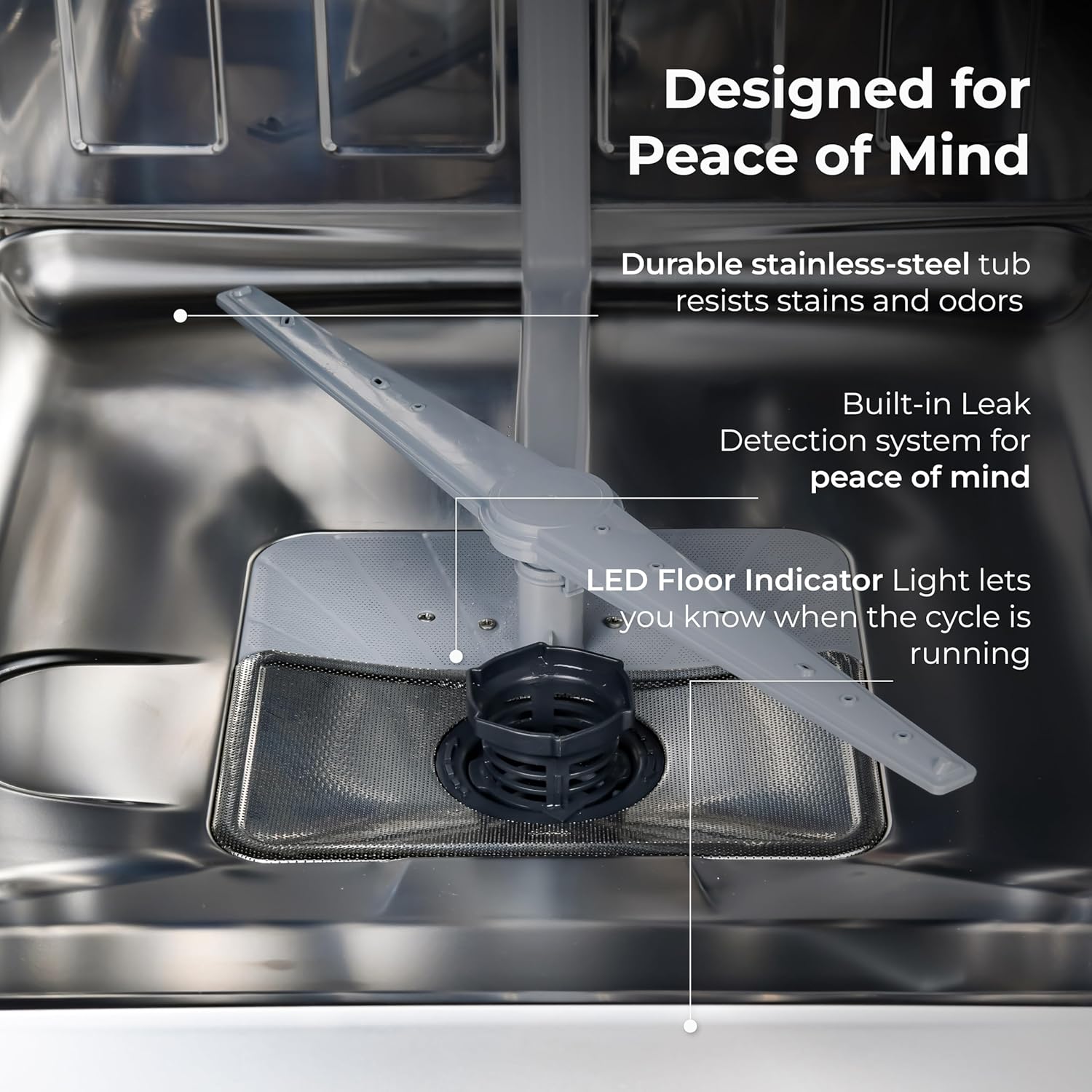
A 45 dBA rating indicates sound energy comparable to a quiet room; during cycles with higher pump or wash motor activity, momentary increases may be perceptible. The QuietWash option reduces mechanical activity and may lengthen cycle time to lower audible output. Placement against cabinetry that includes sound-deadening materials and secure mounting reduces panel vibration and flanking noise. The LED floor light provides a non-audible running indicator for households that rely on visible signals rather than sound feedback. Overall acceptability in an open kitchen depends on occupant sensitivity and typical household noise baselines during operation.
Acoustic design considerations and installation impact
Acoustic performance is influenced by internal insulation, motor mounts, and chassis rigidity; stainless steel tubs add mass and can reduce resonance compared with thinner materials. Proper installation—leveling, anti-vibration pads, and ensuring the dishwasher is flush and securely fastened to surrounding cabinetry—mitigates transmission of mechanical noise into adjacent rooms. Floor construction and cabinetry cavities can amplify or dampen sound, so kitchen finishes matter. Buyers in multi-unit housing or those with home offices adjacent to the kitchen should weigh installation details and consider quieter dedicated quiet-cycle options when planning placement.
Drying systems and moisture control
Drying effectiveness affects user convenience and the need for manual towel drying. TurboDry combines a dedicated fan that exhausts moisture-laden air with a heating element to raise compartment temperatures, which accelerates evaporation and reduces spotting on glass and plastic. Active air removal is typically more effective on plastics than condensation-only systems because it forces moisture out of the tub rather than relying on temperature differentials alone. The stainless steel tub aids drying by retaining heat and minimizing condensation on stainless surfaces, improving final moisture migration. Cycle choice and load arrangement—such as angling items for drainage and leaving space for airflow—remain crucial to achieving consistently dry results.

TurboDry mechanics and plastic drying performance
TurboDry’s active fan assists in removing warm, humid air during the final phase of the cycle, while the heating element sustains higher internal temperatures to promote evaporation. Plastics, which have lower thermal mass and tend to retain moisture, benefit from forced-air removal because heated air displacement reduces residual film. However, tightly nested items, overloading, or obstructed venting will limit TurboDry effectiveness. The combination of fan and element reduces dependence on extended high-temperature drying, potentially shortening drying times compared with condensation-only systems when used with appropriate cycle options.
Condensation vs. active drying and user implications
Condensation drying uses cooler external cabinet surfaces to pull moisture from dishes, working well for ceramics and glass but less so for plastics. Active drying systems such as TurboDry add mechanical assistance that improves plastic and flatware drying, but they require effective venting paths and proper loading to realize benefits. Energy use for active drying is higher than passive condensation methods, so there is a trade-off between drying speed and efficiency. Users prioritizing rapid, spot-free results—especially on plastic items—should value the TurboDry approach, recognizing that load layout and cycle selection determine the final outcome.
Energy, water efficiency, maintenance, and durability
Efficiency and maintenance determine lifecycle convenience and operating expectations. This Kenmore model is ENERGY STAR certified and reports water consumption of approximately 4.5 gallons per cycle, aligning with contemporary efficiency standards for built-in machines. A stainless steel tub and filtered circulation pathway suggest resistance to staining and improved thermal retention. Leak detection provides an additional safeguard against water-related failures. Routine maintenance tasks include filter cleaning to prevent redepositing soils, monitoring spray-arm nozzles for clogs, and inspecting door seals for integrity. Component longevity depends on water quality, usage frequency, and adherence to manufacturer maintenance intervals.

Energy and water expectations for typical households
ENERGY STAR certification indicates that the unit meets EPA criteria for energy consumption compared with baseline models; actual energy use will vary with cycle choice and load size. The reported 4.5-gallon water consumption positions this dishwasher within efficient ranges for built-in units, enabling lower per-load water usage versus hand-washing or older models. Selecting sensor-driven SmartWash cycles can further optimize water and energy use by matching resources to soil levels. Households with high-frequency dishwashing or hard water should consider water conditioning and routine cleaning to preserve efficiency and prevent mineral buildup.
Filter maintenance, leak detection, and long-term reliability
A filtered wash path requires periodic removal and cleaning of the filter assembly to maintain flow rates and prevent re-deposition of solids onto dishes. Spray-arm ports and pump strainers also benefit from occasional inspection to remove debris. The included leak detection feature adds protection by alerting to abnormal water presence, though overall leak prevention depends on quality of installation and hose connections. Stainless steel tubs and robust spray arms typically contribute to longer service life compared with plastic interiors, but motor, pump, and electronic components remain wear items influenced by cycle frequency and water chemistry. Responsible maintenance extends functional longevity and consistent cleaning performance.

Pros & Cons
Pros
- Quiet operation with a 45 dBA rating and QuietWash option. The 45 dBA rating positions the dishwasher in a low-to-moderate noise band suitable for many open-concept homes; QuietWash reduces audible output further for sensitive environments.
- Comprehensive spray and filtration system. Three pressurized spray arms combined with a filtered water path increase spray coverage and help prevent recirculation of solids for improved wash results on typical food soils.
- Flexible interior with EasyFlex third rack and MoreSpace adjustable rack. The removable third rack adds dedicated utensil and small-item capacity while the adjustable middle rack accommodates tall glassware or large cookware, improving load versatility.
- TurboDry active drying system. The fan-plus-heating-element combination enhances drying performance for plastics and reduces the need for manual towel drying when loads are arranged for airflow.
- ENERGY STAR certification and modest water use. The reported 4.5-gallon per-cycle consumption aligns with contemporary efficiency expectations, offering resource savings compared with older or less-efficient units.
- Stainless steel tub and fingerprint-resistant exterior. Durable materials improve heat retention and resist surface marks, supporting both drying performance and cosmetic longevity.
Cons
- Active drying increases energy use relative to condensation-only systems. TurboDry’s fan and heating element deliver better drying but typically consume more energy than passive drying methods, which may concern efficiency-focused buyers.
- Moderate noise remains perceptible in very quiet settings. While 45 dBA is low, households requiring near-silent operation for bedrooms or nighttime use might notice the dishwasher during certain cycle phases.
- Dependence on proper loading for peak performance. Spray-arm clearance, third-rack placement, and middle-rack adjustment are necessary to avoid blocked sprays and suboptimal drying; improper loading reduces cleaning and drying effectiveness.
- Limited manufacturer warranty details in public specifications. Warranty length and coverage specifics are not listed in the provided specifications, so buyers should confirm warranty terms with the manufacturer or retailer prior to purchase.
Final Verdict: Who This Dishwasher Is Best For (and Who Should Skip It)
This Kenmore 24″ built-in dishwasher suits households seeking a balance of cleaning flexibility, moderate acoustic performance, and modern drying capability. Families and households that run regular loads, entertain intermittently, or need flexible loading for utensils and larger cookware will benefit from the EasyFlex third rack and MoreSpace adjustable middle rack. The SmartWash sensors, three-spray-arm UltraWash Plus system, and Accela Wash option provide adaptable cleaning strategies for mixed soils and time-pressed cycles. ENERGY STAR certification and a 4.5-gallon water profile make it attractive to buyers prioritizing resource efficiency without sacrificing cleaning power.
Those who should reconsider include buyers who require extremely low acoustic footprints for adjacent sleeping or recording spaces, as transient pump and wash noise at 45 dBA may be noticeable in very quiet conditions. Additionally, users prioritizing the lowest possible energy consumption may weigh the trade-off of active TurboDry drying versus condensation systems. Prospective purchasers are advised to confirm warranty specifics and ensure professional installation to maximize acoustic and leak-protection performance. Compared with similar 24″ built-in models available in 2026, this unit presents a competitive feature set for mid-size households balancing cleaning performance, drying capability, and flexible loading.
Frequently Asked Questions (FAQs)
How effective is the Kenmore 24″ dishwasher at removing baked-on food?
Effectiveness on baked-on food depends on cycle choice and spray intensity. The UltraWash Plus with three pressurized spray arms increases mechanical spray force for tougher soils, and Accela Wash raises intensity for shorter cycles. Choosing higher-temperature cycles and using Sani Rinse when available improves thermal action. Proper loading and avoiding overcrowding are essential for maximizing spray impact on stuck-on residues.
Can the EasyFlex third rack hold long utensils and small cookware reliably?
The EasyFlex third rack is designed to accommodate utensils, long tools, and shallow items, increasing usable capacity by roughly 35% for small items. Its removable nature allows for flexibility when taller lower-rack items are present. To prevent interference with spray arms, items should be arranged so they do not protrude into spray paths; heavy or oversized tools may be better placed on the lower rack.
Is a 45 dBA noise rating suitable for open-concept living spaces?
A 45 dBA rating typically falls below normal conversation levels and is considered suitable for many open-concept kitchens during daytime use. However, perceived noise depends on installation, kitchen finishes, and occupant sensitivity. The QuietWash option reduces audible output at the cost of longer cycles. For very noise-sensitive environments or adjacent sleeping spaces, additional soundproofing or quieter models may be preferable.
How well does TurboDry dry plastic items compared with condensation drying?
TurboDry combines an exhaust fan with a heating element to actively remove humid air and raise internal temperature, which generally improves drying on plastic items compared with passive condensation systems. Plastics have lower thermal mass and tend to retain moisture, so forced-air removal helps reduce residual dampness. Proper loading to allow airflow and avoiding nested plastics are important for best results.
What water and energy efficiency can be expected from this dishwasher?
The unit is ENERGY STAR certified and reports approximately 4.5 gallons of water use per cycle, placing it within efficient ranges for built-in dishwashers. Actual energy consumption varies by cycle selection, drying option use, and load size. SmartWash sensor cycles can optimize water and energy usage by adjusting run times and temperatures based on detected soil levels.
What routine maintenance is required to keep the dishwasher performing well?
Routine maintenance includes cleaning the filter assembly periodically to prevent redepositing of solids, inspecting and clearing spray-arm nozzles as needed, and checking door seals for debris and wear. Monitoring inlet hoses and connections for secure fittings reduces leak risk. Regular maintenance preserves flow rates, cleaning consistency, and extends component life, especially in areas with hard water.
Does the dishwasher include leak detection and how does it protect the home?
The model includes a leak detection feature that is intended to detect abnormal water presence and alert or halt operation depending on system design. Leak detection can reduce the risk of unnoticed water escape, but effective protection also depends on correct installation, quality of hoses and fittings, and timely user response to alerts. It should be considered a safeguard rather than a comprehensive prevention solution.
Who should consider a different dishwasher than this Kenmore model?
Households requiring near-silent operation for adjacent bedrooms or recording spaces may prefer lower-noise alternatives than a 45 dBA unit. Buyers prioritizing the absolute lowest energy consumption might opt for models that rely solely on condensation drying. Additionally, those needing specific warranty coverage details or specialized commercial-grade cycles should confirm terms or consider alternative models tailored to those needs.