Secure GE Dishwasher Fit: WD01X27759 Mounting Bracket Guide
Why proper dishwasher mounting matters
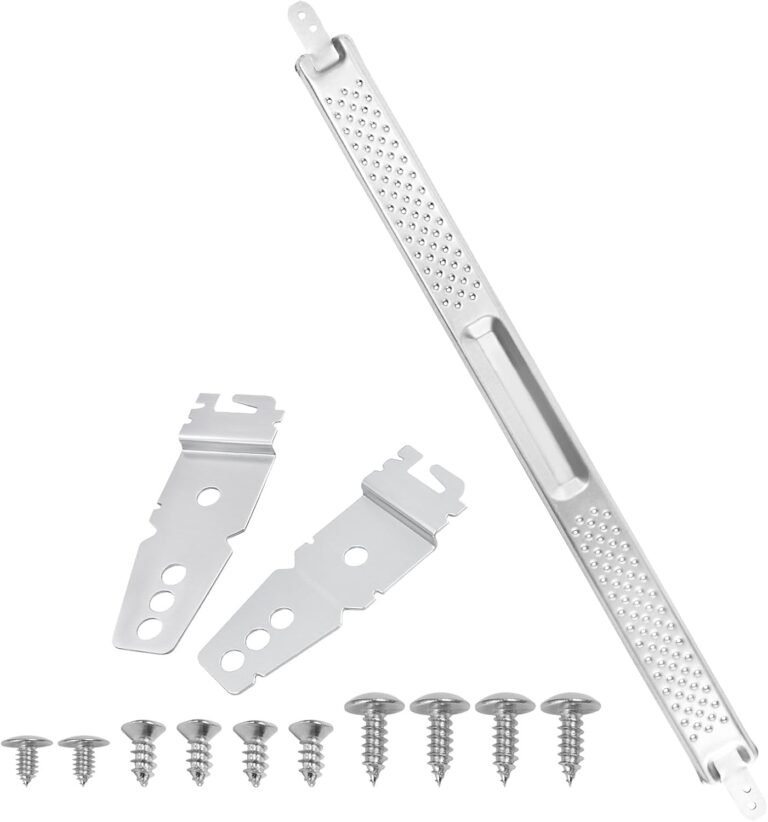
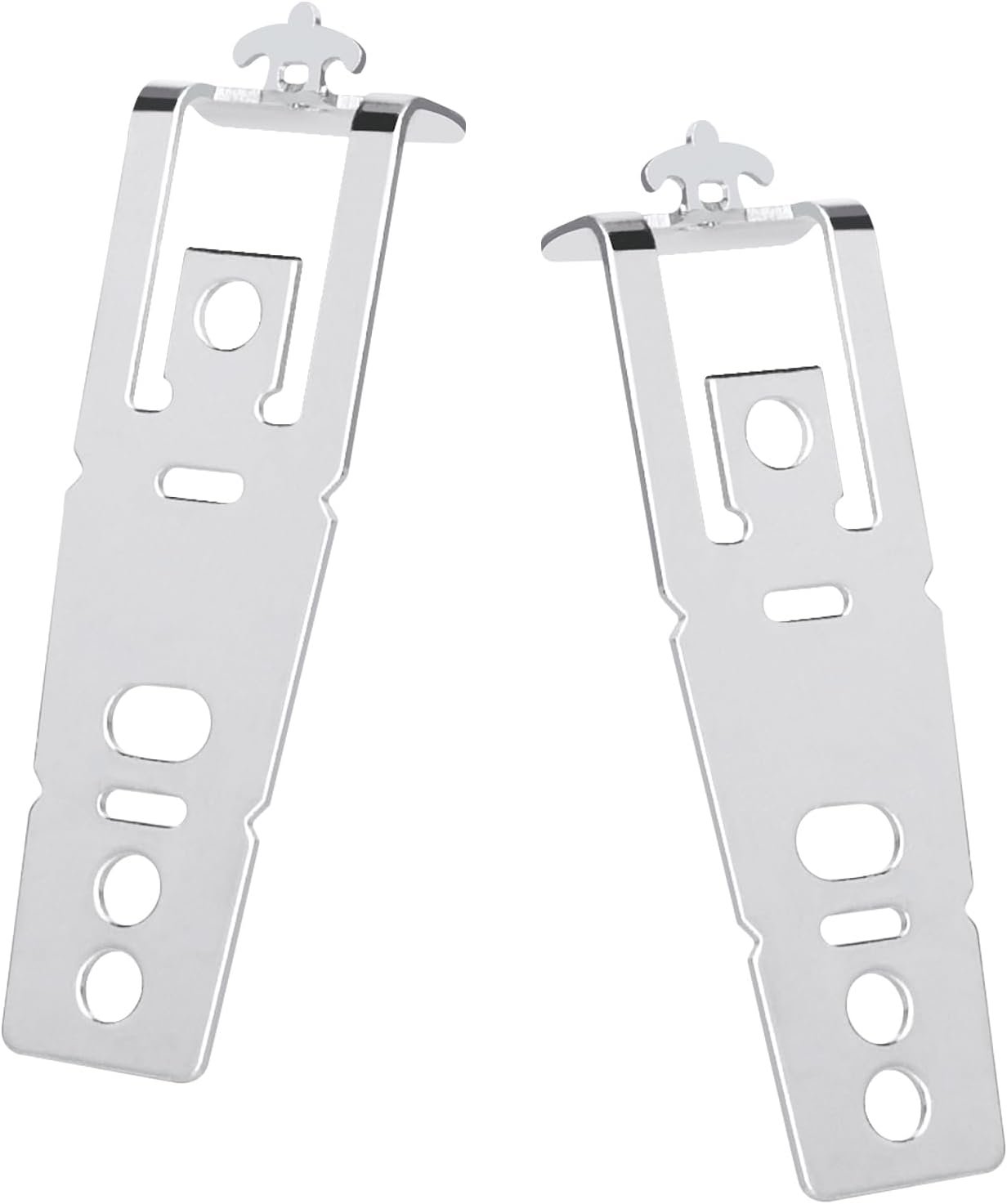
Proper mounting and hardware selection directly affect dishwasher performance, longevity, and household comfort. A small component such as the WD01X27759 mounting bracket influences cabinet alignment, door sealing, and chassis stability—factors that determine spray arm coverage, drainage angle, and vibration transfer into surrounding cabinetry. For households with frequent cycles, multi-person families, or open-concept kitchens where noise and moisture are concerns, reliable mounting hardware reduces the risk of misalignment that can produce leaks, uneven rack motion, and compromised wash results. Kitchen layout and usage frequency change the tolerance for installation deviation: densely loaded systems require precise leveling to ensure water reaches all place settings, while smaller households may be more forgiving. The WD01X27759 is a replacement bracket intended to restore or maintain factory mounting geometry on compatible GE, Hotpoint, RCA, and Kenmore models, and its role is to provide a stable interface between the dishwasher chassis and the countertop or cabinet for consistent mechanical and fluid performance.
Quick Overview
| Feature | Details |
|---|---|
| Part type | Countertop / mounting bracket replacement (hardware component) |
| Compatible models | Fits multiple GE, Hotpoint, RCA, Kenmore models; replaces 4961783, AP6994863, PS16219683, EAP16219683 (WD01X27759) |
| Material / finish | Metal with zinc electroplating for corrosion resistance |
| Included components | 2-pack mounting brackets (model GZJ02) |
| Dimensions & weight | 4 x 2 x 0.6 inches; 1.13 ounces each |
| Warranty | One month (manufacturer disclosure) |
| Energy / water ratings | N/A (component part; affects efficiency indirectly via alignment) |
| Noise level | N/A (component part; can influence vibration transfer) |
| Installation type | Replacement hardware for built-in / countertop-mounted dishwashers |
This bracket bundle is intended for homeowners and service technicians who need to restore correct dishwasher positioning and door alignment. When installed on compatible units, the brackets help maintain a level chassis and proper seal geometry, which supports consistent spray coverage, reduces vibration transmission, and helps avoid water pooling at the sump or door edge in everyday use.

Compatibility and Fit for Installation
The WD01X27759 mounting bracket must match the original mounting geometry and screw patterns of the dishwasher model to restore factory alignment. Compatibility listings include numerous GE-series model numbers as well as appliances sold under Hotpoint, RCA, and Kenmore badges; cross-reference of part numbers (4961783, AP6994863, PS16219683, EAP16219683) is the practical method to confirm fit. Correct fit ensures the bracket positions the dishwasher chassis relative to the countertop and cabinet openings so the door closes squarely and the leveling feet carry the intended load. For installations where the original bracket is missing, bent, or corroded, a matching replacement reduces the likelihood of rack misalignment, door sag, or uneven gaps that can affect spray distribution and drainage. Measuring mounting flange dimensions and matching screw types before purchase helps avoid fitment issues.

Verifying compatibility with model numbers and part cross-references
Verifying compatibility is a matter of matching the OEM part number and the service literature for the specific dishwasher model. The WD01X27759 corresponds to several cross-referenced numbers used across brands and production runs; the presence of the original bracket part number on the appliance’s parts diagram confirms suitability. When diagrams are unavailable, physical comparison of mounting hole spacing, bracket thickness, and flange orientation is essential. Correct fit prevents unintended shifts in chassis position that can alter spray arm alignment or impede door latch engagement. For owners of legacy or rebranded units, matching dimensions and hole patterns mitigates the risk of improvising attachments that can transfer extra vibration into cabinets.
When alternative brackets or universal mounts may be necessary
In situations where the original bracket cannot be matched—due to discontinued parts or significant cabinet modifications—universal mounting solutions exist but introduce trade-offs. Universal brackets require careful adaptation to preserve the original load paths and may need additional fasteners or shims to maintain level. Using a non-specific bracket can change the position of the dishwasher relative to the countertop, potentially affecting the sealing plane and the spray arm trajectory. For installations in open-plan kitchens or where noise sensitivity is high, preserving OEM alignment with a direct-fit replacement like WD01X27759 is generally preferable to minimize vibration and ensure consistent wash coverage.
Installation complexity and required tools
Replacement of a dishwasher mounting bracket is a mechanical repair that demands attention to safe practices and basic tools. Manufacturer guidance emphasizes disconnecting power and water supply before service; loosening or removing the trim, securing straps, and adjusting leveling feet are typical steps. The WD01X27759 is designed as a bolt-on component, and installation generally involves standard hand tools: screwdrivers, hex or nut drivers, and possibly a socket set. Accessibility within cabinetry and the state of surrounding fasteners affect labor time. Proper torque on fasteners and correct bracket orientation ensure the chassis rests against the cabinet in the factory-specified locations, preventing door misalignment and maintaining the designed gasket compression. Users lacking mechanical confidence or access to stable supports should consider professional installation to avoid damage to tubing, wiring, or the dishwasher frame.

Stepwise risks to avoid during mounting bracket replacement
Several risks are common during bracket replacement: overtightening fasteners that distort the bracket or chassis, failing to support the dishwasher while fasteners are removed, and pinching supply or drain lines behind the unit. Incorrect reassembly can alter the dishwasher’s tilt, which affects spray arm clearance and drainage slope toward the sump. Ensuring electrical power and water supply are off reduces the chance of shocks or leaks. Preservation of original fasteners and use of original screw locations maintains factory tolerances; if fasteners are corroded or damaged, replacement hardware sized to OEM specifications is recommended to preserve load distribution and prevent localized stress points.
Tools and time expectations for typical DIY installations
A straightforward bracket swap on a typical built-in model usually requires a compact set of hand tools and 30–90 minutes depending on cabinet clearance and fastener condition. Socket drivers or nut drivers sized to the appliance’s fastening hardware, a standard Phillips screwdriver, and shims for alignment are commonly sufficient. When access is limited, additional tools such as a pry bar or trim removal tools may ease disassembly. The presence of adhesive or paint over fasteners can lengthen the procedure. For owners seeking minimal disruption, scheduling the replacement during periods of low appliance use reduces impact on household routines, while professional technicians can compress the timeline and verify level and seal performance post-installation.
Material quality, corrosion resistance, and durability
WD01X27759 is described as a metal bracket with multiple rounds of electroplating to form a zinc surface finish; this treatment is intended to enhance corrosion resistance in humid dishwasher environments. Zinc electroplating reduces direct steel exposure to moisture and detergents that can accelerate rusting, particularly near the toe-kick or under-counter areas where condensation and occasional splashes occur. The bracket’s stamped or formed geometry determines its ability to distribute mounting loads without bending; thicker gauge metal and robust flange design resist deformation under repeated door cycles and cabinet stress. However, long-term durability also depends on installation conditions—persistent water exposure, chemical attacks from concentrated detergents, or contact with dissimilar metals may affect longevity. Warranty coverage of one month is limited and should be considered when evaluating long-term reliability expectations.

How electroplating and metal gauge affect service life
Electroplating primarily protects the bracket surface from oxidative corrosion, but it does not change the underlying metal’s mechanical properties. A heavier metal gauge resists fatigue and bending caused by repeated door openings and load shifts. Over time, areas where plating is scratched during installation may become initiation points for corrosion; proper handling and avoidance of over-torquing reduce such damage. For installations in coastal or high-humidity environments, additional corrosion-resistant strategies—such as using stainless steel fasteners or applying a protective coating—extend service life. The combination of correct material gauge and intact plating supports consistent mechanical function, lowering the chance of alignment drift that can affect performance.
Signs of bracket wear and when replacement is appropriate
Visible corrosion at fastener interfaces, bent or cracked flange edges, or progressive door sag indicate bracket compromise and justify replacement. If door closure feels loose, gaps form at the gasket, or the dishwasher rocks when loaded, the mounting hardware may no longer secure the chassis reliably. Replacing compromised brackets with direct-fit parts like WD01X27759 restores intended load paths and helps maintain spray arm clearance and drainage slope. In cases where multiple mounting points show wear, inspecting adjoining structural components and replacing complementary hardware is prudent to prevent cascade failures that affect appliance sealing and function.
Impact on cleaning performance, noise, and drying outcomes
Mounting hardware influences how the dishwasher sits within cabinetry, which in turn affects spray arm trajectories, drainage slope, and vibration transmission. Correctly positioned brackets ensure the chassis is level and that spray arms have designed clearances from racks and utensils; this enables intended flow patterns and wash coverage across place settings. Proper leveling also supports drainage toward the sump, reducing residual water that can impede drying by retaining moisture on lower-rack items. Additionally, secure mounting minimizes chassis vibration and rattling that amplify perceived noise—an important consideration in open-plan kitchens. While mounting hardware does not alter wash cycles or heaters, its contribution to mechanical alignment is a determinative factor in translating those systems into consistent in-cabinet performance.

How alignment affects spray coverage and place setting results
When the dishwasher is improperly tilted or shifted, spray arms can encounter obstructions or reduced clearance that disrupt impeller performance and water distribution. Small deviations in mounting angle can lead to localized under-washing on one side of a rack or increased splatter, causing redeposit of soils. Ensuring that the WD01X27759 bracket restores factory-level chassis geometry helps preserve both upper and lower spray arm patterns and prevents interference with tall items or fold-down tines. For households that routinely load mixed place settings, correct alignment maximizes the effectiveness of existing wash programs, reducing the need for rewash cycles.
Relationship between mounting, drainage, and drying efficiency
Adequate drainage slope toward the pump and sump is partially dependent on how the dishwasher chassis sits in the cabinet. Improperly seated units can trap water at the door edge or lower drain area, leaving puddles that extend drying times or require towel drying. A stable, level mounting secured by replacement brackets facilitates intended drain clearance and promotes more efficient heating and condensation drying processes by clearing standing water paths. This does not change the underlying drying technology but optimizes the mechanical conditions necessary for consistent moisture removal during and after the final drain.
Maintenance, serviceability, and long-term considerations
The WD01X27759 functions as a low-complexity replaceable part intended to simplify service interventions. Regular maintenance that preserves bracket function includes visual inspections during routine appliance servicing, ensuring fasteners remain snug and corrosion-free. Easy access to the bracket area reduces service time for subsequent interventions and helps maintain alignment after adjustments to leveling feet or cabinet modifications. Filtration and pump maintenance remain unaffected by bracket replacement, but restoring correct mounting geometry can reduce mechanical strain on seals, hinges, and gaskets, indirectly decreasing wear rates. Limited warranty coverage emphasizes the importance of following manufacturer installation guidance and storing spare brackets as part of a planned maintenance approach for aging appliances.
How bracket condition affects adjacent service items like seals and hinges
A sagging or loose mounting bracket changes door compression against the gasket, which accelerates seal wear and can allow water to escape or remain trapped. Similarly, misalignment increases torque on door hinges and can loosen hinge fasteners over time. Restoring bracket integrity with a direct-fit replacement reestablishes designed force distribution across seals and hinges, reducing asymmetric loading that causes premature wear. Periodic inspection of hinge screws, door gaskets, and the bracket area during filter cleaning cycles helps detect early signs of mechanical distress prior to more significant failures.
Recommended inspection intervals and signs to monitor
Inspection during seasonal maintenance or when performance changes are observed is advisable. Look for loose fasteners, surface corrosion on the bracket, movement of the chassis when the door is opened, and abnormal gaps at the door seam. If repeated leaks or noise complaints coincide with visible bracket deterioration, replacement with a compatible part like WD01X27759 is warranted. Maintaining a log of service actions and part replacements aids in lifecycle planning for appliances that accumulate years of use in busy households.
Pros & Cons
Pros
- Direct-fit compatibility with many GE and rebranded models: Matching OEM part numbers and common cross-references simplifies sourcing for affected models, restoring original mounting geometry and reducing alignment-related issues. This direct compatibility reduces the need for custom modifications during repair.
- Zinc electroplated metal construction for corrosion resistance: The electroplated finish helps protect the bracket from moisture exposure and detergent spray common in under-counter environments, improving longevity compared with untreated steel hardware.
- Minimal tools and straightforward installation steps: As a bolt-on replacement, the bracket typically requires basic hand tools and limited time to install, making it accessible for routine service or DIY-savvy homeowners when safety precautions are observed.
- Two-pack supply reduces repeat orders: Including two brackets accommodates units with multiple mounting points or provides an immediate spare for adjacent fasteners, saving sourcing time when multiple points show wear.
- Lightweight and compact dimensions aid storage and handling: Small size and low mass simplify handling in constrained cabinet spaces and lower the risk of damage to surrounding finishes during installation.
- Supports mechanical alignment that influences performance: Restoring proper chassis positioning aids spray coverage, drainage, and reduces vibration transfer—indirectly contributing to cleaner results and quieter operation in compatible setups.
Cons
- Limited warranty coverage: A one-month warranty is short compared with typical appliance part warranties, offering minimal protection against early failure or fitment issues; buyers should confirm return policies before installation.
- Component-level part with no direct effect on electronic or wash systems: The bracket does not influence wash cycles, heating, or filtration directly; its benefits are indirect through mechanical alignment and should not be mistaken for functional upgrades to cleaning systems.
- Fitment verification required for some models: Despite broad compatibility listings, physical comparison or parts diagram confirmation is often necessary to ensure precise alignment, which can complicate sourcing for less-common or older model variants.
- Potential need for complementary hardware: Corroded fasteners or adjacent structural damage may necessitate additional replacements beyond the bracket, increasing repair scope and cost.
Final Verdict: Who This Dishwasher Part Is Best For (and Who Should Skip It)
The WD01X27759 mounting bracket is best suited for owners of compatible GE, Hotpoint, RCA, and Kenmore dishwashers seeking to restore or maintain factory chassis alignment and door geometry. Households with moderate to heavy dishwasher use, open-plan kitchens, or occupants sensitive to vibration and noise benefit from replacing bent or corroded mounting hardware to preserve spray arm clearance, drainage slope, and seal compression. Technically inclined homeowners and service technicians will find the two-pack format and bolt-on design practical for routine repairs.
This bracket is not appropriate for users seeking improvements to wash cycles, drying technologies, or filtration—those features are controlled by the appliance’s original systems. Households with significant structural damage to cabinetry, pervasive corrosion across multiple mounting points, or preference for longer-term warranty coverage should consider OEM service through authorized repair channels or broader structural repairs. Compared with similar replacement brackets available in 2026, WD01X27759 offers a cost-effective, direct-fit option for restoring mechanical alignment when the correct fit is confirmed and installation guidance is followed.
Frequently Asked Questions (FAQs)
How does a mounting bracket like WD01X27759 affect dishwasher cleaning performance?
Mounting brackets influence the dishwasher’s chassis position and level, which affects spray arm clearance and drainage slope. Proper alignment ensures spray arms rotate without obstruction and water drains toward the sump as designed. While the bracket does not change wash cycles or filtration, restoring factory mounting geometry helps achieve consistent wash coverage and reduces the need for rewash cycles caused by misalignment-related spray interference.
Can replacing the bracket reduce dishwasher noise in an open kitchen?
Yes—secure mounting hardware reduces chassis movement and vibration transmission into cabinetry, which lowers rattles and structure-borne noise. The bracket itself does not change motor or pump noise, but by stabilizing the appliance and ensuring tight contact with cabinetry, perceived noise in open-plan kitchens can be reduced through improved vibration damping.
What tools are typically required to replace the WD01X27759 mounting bracket?
Replacement generally requires basic hand tools such as a Phillips screwdriver, nut or socket drivers sized to the appliance fasteners, and possibly a small pry or trim tool to access screws. Supporting the dishwasher while fasteners are loosened is important; larger jobs or limited access may require additional assistance or professional service to avoid damage to plumbing or wiring.
Does the WD01X27759 bracket improve drying or energy efficiency directly?
The bracket does not alter the dishwasher’s drying technology or energy ratings. Indirectly, correct mounting promotes proper drainage and reduces standing water that can hamper drying performance. Proper leveling also ensures drainage efficiency, which supports consistent cycle performance but does not change certified energy or water usage metrics.
How to confirm the WD01X27759 will fit a specific dishwasher model?
Confirm fit by cross-referencing the OEM part numbers listed for the appliance model or comparing the physical dimensions and mounting hole pattern to the existing bracket. Service diagrams and parts lists for the specific model provide authoritative confirmation. If uncertainty remains, measuring the bracket mounting flange spacing and matching screw size before purchase reduces the risk of mismatch.
What maintenance should be done after installing a replacement mounting bracket?
After installation, fasteners should be checked for proper torque and the dishwasher should be inspected for level, door alignment, and gasket compression. Monitor for any new leaks, unusual noises, or movement during cycles. Periodic inspection during routine filter cleaning is recommended to confirm fasteners remain secure and that the bracket shows no early signs of corrosion or deformation.
Is WD01X27759 compatible with non-GE branded dishwashers?
Compatibility extends to several rebranded units from Hotpoint, RCA, and Kenmore when manufacturers used the same chassis designs and part cross-references. Success depends on matching the OEM part number or verifying identical mounting geometry. Physical comparison or consulting the parts diagram for the specific model helps determine suitability.
What are common signs that a mounting bracket needs replacement?
Common signs include visible corrosion or bending of the bracket, door sag or misalignment, unusual chassis movement when the door is opened, and localized leaks at the door edge. If repeated tightening of fasteners is needed or if adjacent hinge screws loosen frequently, the mounting hardware may have lost its structural integrity and replacement is advisable.