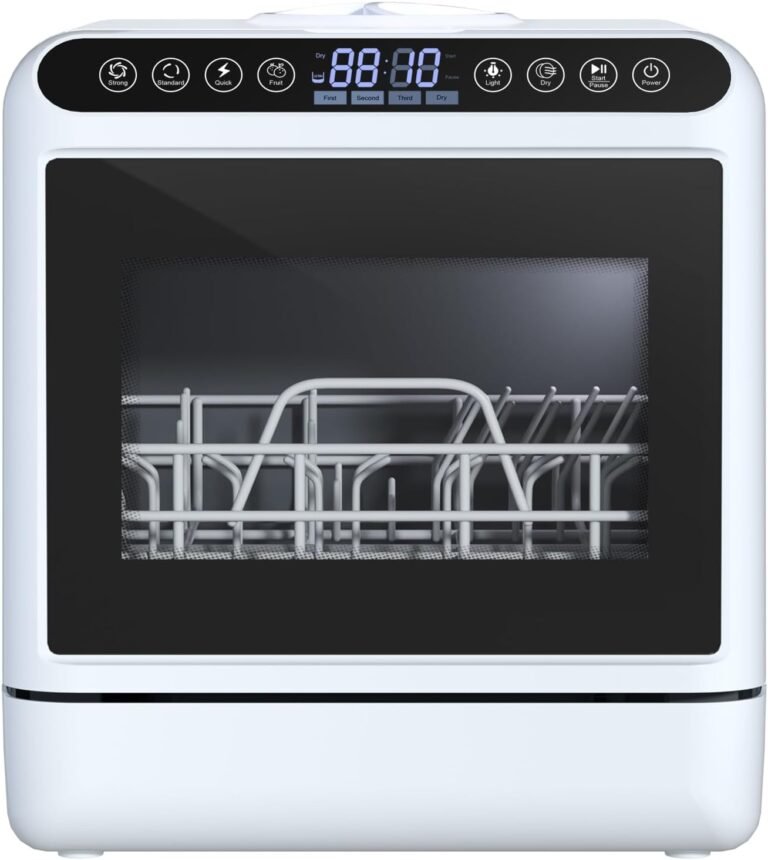
Compact Countertop Dishwasher: Clean, Quiet Performance
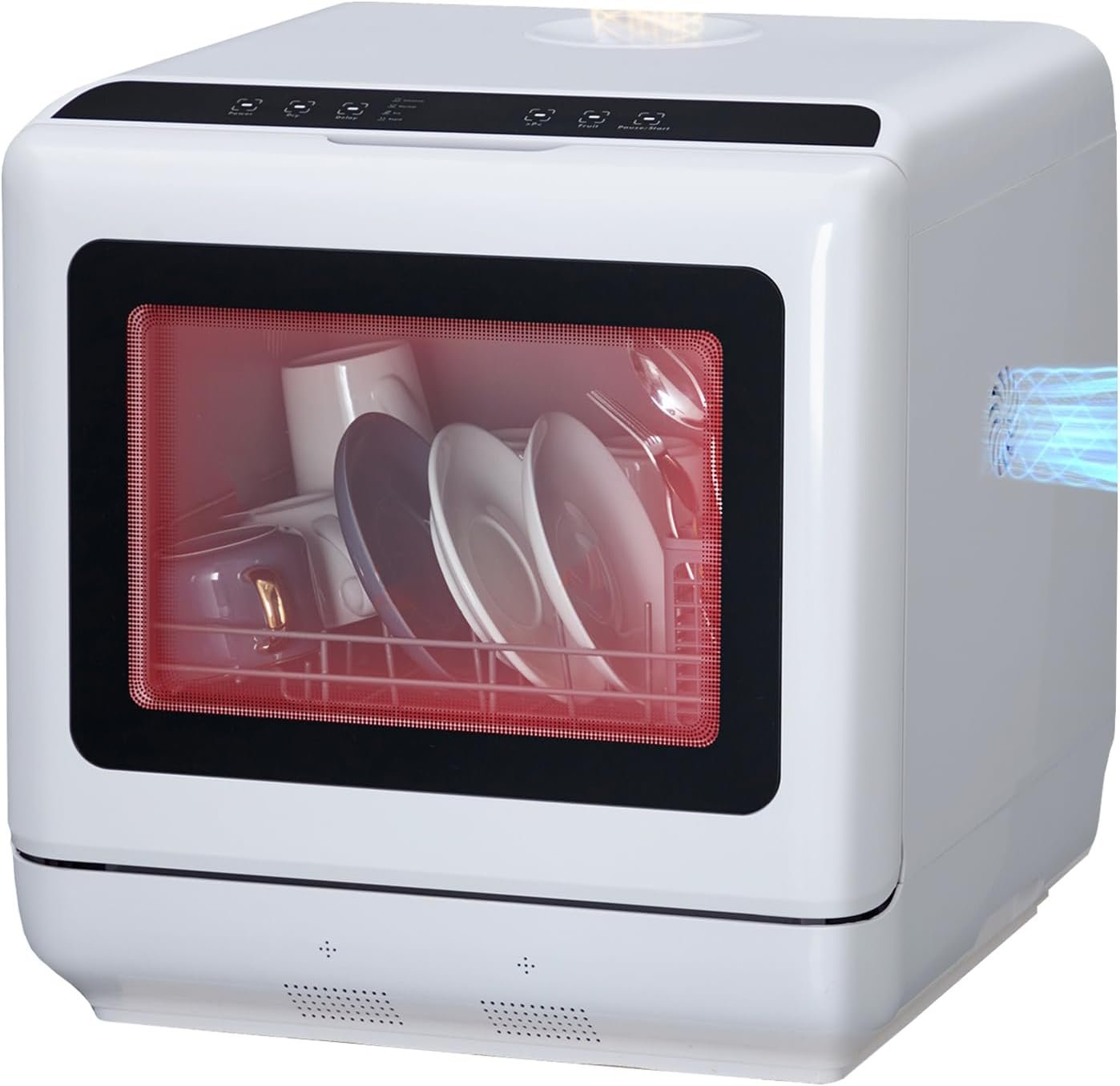
Choosing the Right Countertop Dishwasher
Selecting a countertop dishwasher involves balancing cleaning performance, available space, and daily usage patterns. Small households, RVs, and apartments often require a machine that fits a confined footprint while handling frequent loads without a full-sized appliance. Noise sensitivity is a major factor in open-plan kitchens or studio apartments, where motor and pump sound can affect living spaces. Cleaning needs vary by diet and cookware; models with high-temperature cycles and robust spray coverage address stuck-on soils, while delicate cycles and glass settings protect fragile items. Efficiency expectations hinge on water supply options and energy consumption for heating; a built-in tank or faucet hookup changes refill frequency and convenience. Durability and simple maintenance are important for long-term ownership, particularly when service access or replacement parts are limited. The right portable dishwasher should match household size, frequency of use, and tolerance for noise, while providing adequate cleaning, drying, and filter maintenance features.
Quick Overview
| Feature | Details |
|---|---|
| Dishwasher type | Countertop / Portable |
| Capacity | Fits 4 full place settings; accommodates dishes up to 12 inches |
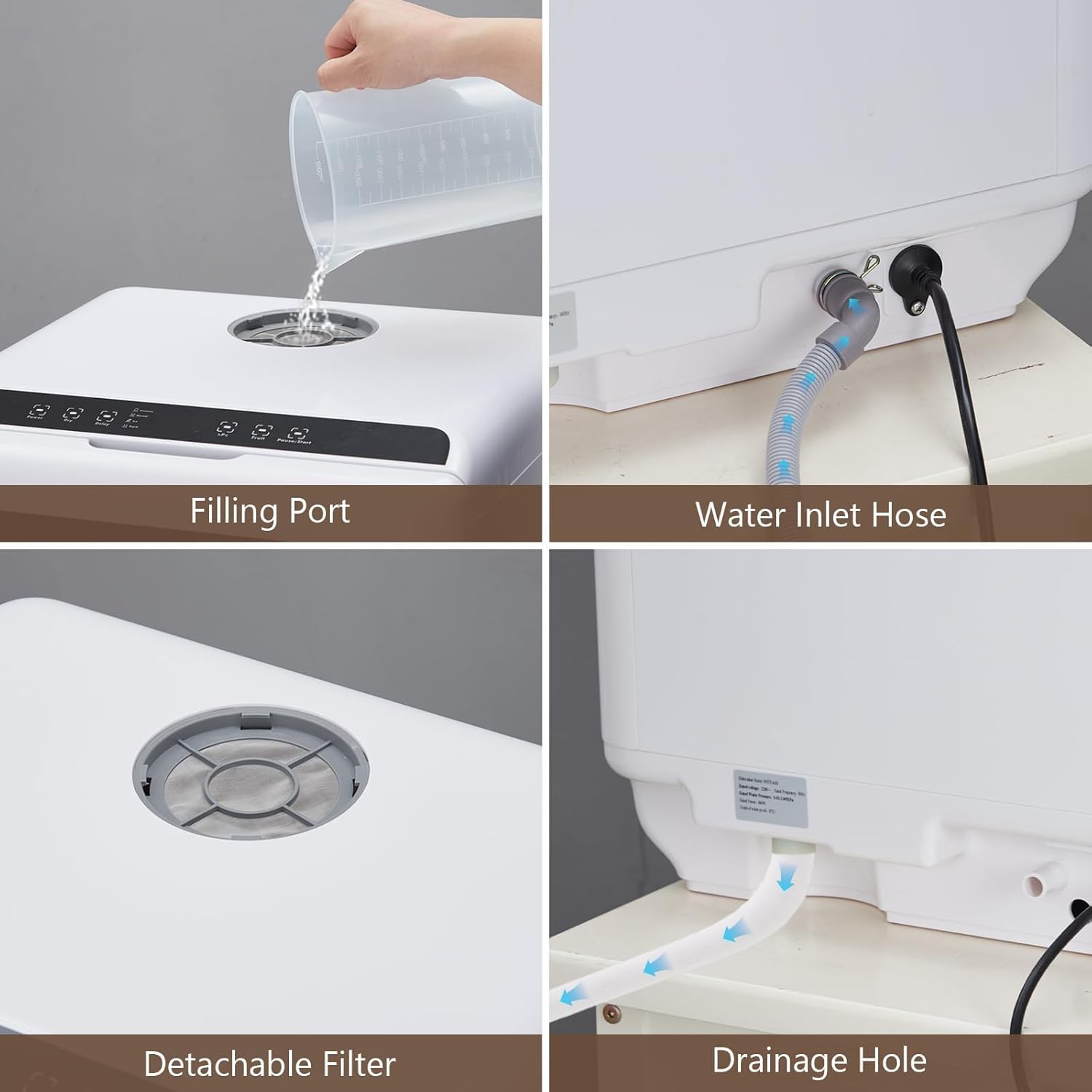
| Water supply | Built-in 5 L tank or faucet hose connection (adapter included) |
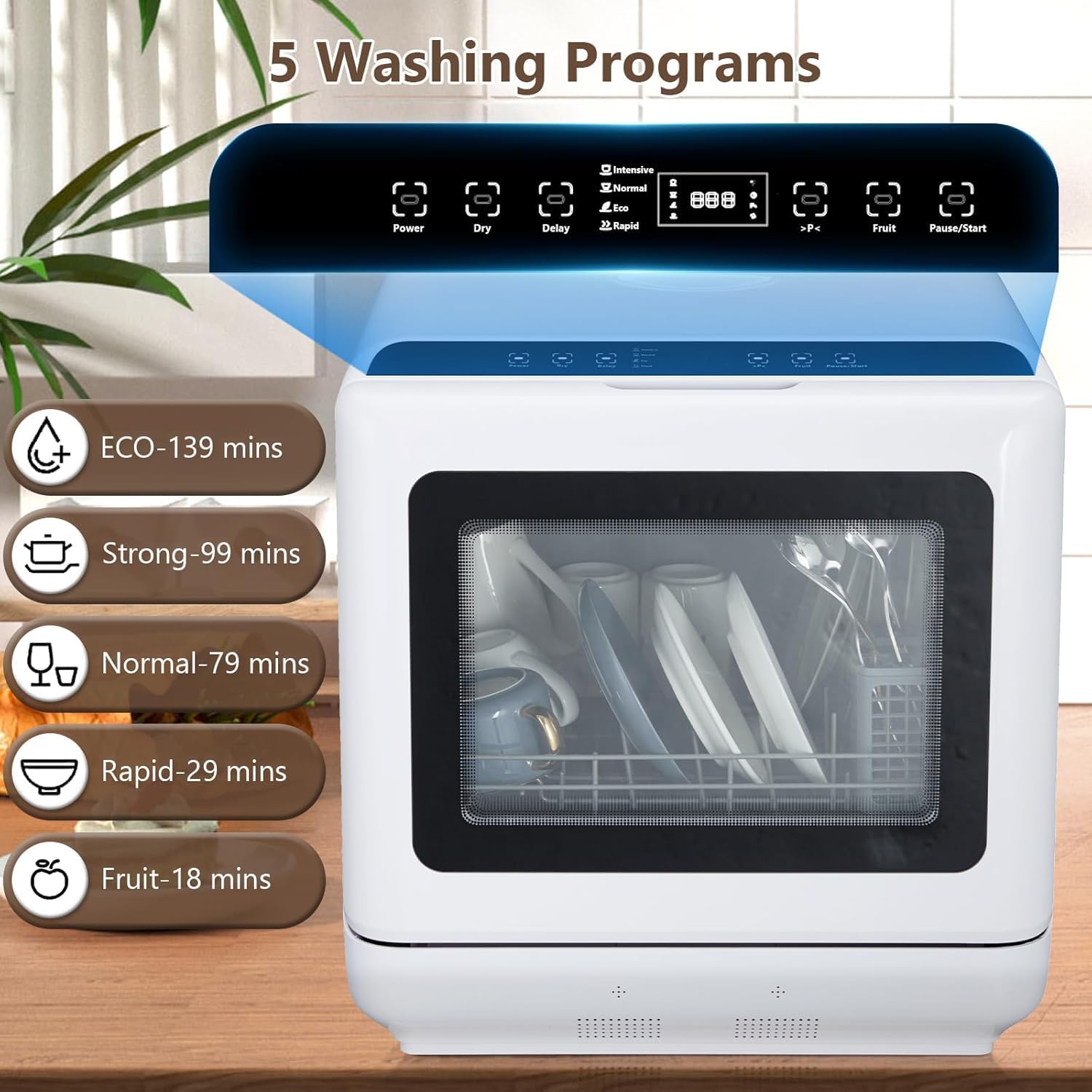
| Wash cycles | Normal, Rapid, Hygiene, Fruit, Glass (5 settings) |
| Cleaning technology | Dual 360° spray arms; high-temperature option for hygiene |
| Drying method | 60-minute hot-air drying; up to 72-hour ventilated storage |
| Noise level | Not specified by manufacturer |
| Energy/water certifications | Not specified by manufacturer |
| Dimensions & installation | 21.26″D x 20.87″W x 20.87″H; countertop placement |
| Materials & controls | Stainless steel inner components; enamel-coated steel exterior; LED touch controls |
| Included components | Dispenser, faucet adapter, hose |
| Weight | 34.2 pounds |
This compact countertop dishwasher is designed for small kitchens and temporary living spaces. The combination of a small footprint, convertible water supply options, and five cycle types aims to deliver flexible cleaning for 1–4 person households. The stainless and enamel interior materials suggest moderate durability, while the included adapter supports both off-grid and connected use cases.

Cleaning performance and wash coverage
The unit combines dual 360° spray arms and high-temperature cycles to maximize spray coverage across stacked items within a compact interior. Spray geometry and water pressure are primary factors in removing residue; dual rotating arms reduce blind spots by directing jets across both rack layers. High-temperature options increase soil softening and sanitizing potential through elevated water thermodynamics, useful for grease and protein-based soils. Cycle selection, including dedicated glass and fruit settings, adjusts spray intensity and temperature to protect fragile items or remove light soils. Rapid and Normal cycles balance time versus cleaning energy. Given the small pump size and compact chamber, heavily soiled cookware may require pre-rinse or soaking to match full-size dishwasher soil removal capabilities.

Spray system, cycle function, and high-temp hygiene
Dual 360° spray arms are intended to provide overlapping coverage for upper and lower rack positions, which improves contact between jets and surfaces. In compact machines, spray arm torque and nozzle design determine droplet size and impact velocity; smaller pumps typically generate lower flow rates but can still achieve effective cleaning through optimized nozzle placement and pressurized bursts. High-temperature or Hygiene modes rely on hotter incoming water or an internal heater to raise wash temperatures, aiding detergent chemistry and microbial reduction. For best results, detergent choice and loading pattern must complement spray coverage, since spray reach and mechanical action are limited compared with larger units.
Filtration, detergent recommendations, and cleaning limitations
A compact countertop dishwasher typically uses a removable coarse filter or mesh basket to trap food particles and protect the pump. Regular emptying and rinsing of the filter maintain circulation and avoid redeposition of soils. Manufacturer guidance recommending detergent tablets for longer cycles reflects dissolution profiles under lower water volumes and cooler temperatures; tablets formulated for automatic dishwashers aid consistent dosing. Limitations include reduced clearance for oversized pots, restricted mechanical agitation compared with larger units, and shorter spray arm reach that can create localized spotting on densely packed loads. Strategic loading and pre-rinsing hard-baked soils improve overall outcomes.
Capacity, rack design, and place settings
Capacity planning for compact countertop dishwashers centers on maximizing usable volume within a tight chassis. Accommodating four full place settings and plates up to 12 inches indicates a double-layer rack layout that prioritizes vertical stacking and compact bowl placement. The double-layer arrangement allows simultaneous washing of plates, bowls, cups, and cutlery but requires thoughtful placement to avoid blocking spray arm rotation. Utensil storage solutions in smaller units typically include a centralized basket rather than dedicated third-tier trays, affecting separation of forks and knives. Rack durability is influenced by coating and material; enamel-coated steel or polymer-coated racks resist chipping and corrosion when correctly maintained. Capacity limitations mean that households with frequent large pots or extended-family meals may need to supplement with manual washing or multiple cycles.

Loading patterns, rack flexibility, and utensil handling
Optimal loading balances spray access with vertical space constraints. Plates should face the spray path with bowls inclined to allow water runoff; cups and stemware placed on the upper layer near the center minimize tipping and exposure to aggressive jets. Fixed tines and limited folding options in compact racks reduce flexibility, so arranging utensils in the central basket and separating sharp knives reduces nesting. Delicate glassware benefits from placement in the designated glass area or on the top rack where lower spray intensity typically applies. Rack coatings and enamel finishes affect wear patterns over time, so gentle handling and avoiding overloaded racks extend usable life.
Noise levels and suitability for open kitchens
Noise considerations are critical for countertop units operating in close proximity to living spaces. Manufacturer specifications do not list a decibel rating for this model, so expected noise performance should be inferred from design features: motor size, pump type, isolation mounts, and enclosure materials. Compact, portable dishwashers often produce a higher perceived noise level than full-size built-in models because of thinner cabinetry and less sound insulation. In open-plan kitchens or studio apartments, placement on sturdy countertops with vibration-dampening pads and using quieter cycles (where available) reduces perceived sound. For RV and boat installations, ambient engine noise and mounting isolation will further influence suitability.

Expected sound profile and mitigation strategies
Without a quantified decibel rating, sound characterization relies on component-level expectations: induction or universal motors and small centrifugal pumps create mid-frequency hum and transient splashes during pump cycling. Hood and body materials matter; enamel-coated steel and stainless components reflect sound differently than insulated built-ins. To mitigate noise, positioning on a stable, level surface, installing vibration-dampening feet, and avoiding resonance-prone cabinet cavities help. Running the appliance during daytime or when ambient household noise is higher can reduce perceived intrusion. Noise-sensitive buyers should consider models with specified dB ratings when open-plan quiet is a priority.
Vibration, build stability, and placement guidance
Compact portable units are lighter and more prone to vibration transfer to countertops. Weight distribution and internal load balance influence stability: uneven loading increases rocking and amplifies sound. Sturdy countertops with non-slip mats or rubber feet absorb kinetic energy from pumps and dampen transmission. For RV or boat use, secure mounting or bracing is recommended by manufacturers to prevent movement during travel, and using the built-in tank mode can avoid dynamic water inlet oscillation from external hoses. Regular inspection of feet, seals, and door latches helps maintain a stable operating posture and reduces long-term rattles.
Drying systems and moisture control
Drying in compact dishwashers commonly combines an active hot-air cycle with passive ventilation to limit residual moisture. This model offers a 60-minute hot-air drying option supplemented by automated ventilation that can continue for up to 72 hours; mechanical drying accelerates moisture removal through heated air and forced circulation, while extended ventilation helps prevent condensation and odors during storage. The effectiveness of hot-air drying is constrained by internal chamber volume, door seal design, and the presence of trapped water in recessed surfaces or utensil baskets. Material choices—stainless inner panels and enamel-coated exteriors—affect thermal retention and corrosion resistance, which influence how quickly the interior returns to equilibrium after a cycle. Attention to loading orientation, removal timing, and regular gasket maintenance reduces moisture-related issues.
Hot-air drying mechanics and ventilated storage implications
Hot-air drying leverages an internal heating element and an air circulation fan to raise interior air temperature, increasing vapor pressure and promoting evaporation from dish surfaces. In small cavities, heated air reaches target temperatures faster but may have limited flow around closely packed items, creating microclimates where moisture persists. The optional 72-hour ventilated storage function exchanges interior air gradually, reducing odor buildup and supporting drying over extended periods; however, it relies on ambient conditions and does not substitute for active desiccation. Long ventilated storage can preserve dish freshness but may marginally increase energy use while operating fans and minimal heating cycles.
Moisture control, corrosion resistance, and user considerations
Moisture retention in compact units can occur in crevices, door seals, and utensil baskets. Stainless steel interiors resist corrosion and staining, while enamel-coated steel exteriors tolerate routine wear but require care against chipping. Frequent inspection and wiping of seals and drainage areas prevent standing water from initiating corrosion or odor development. Detergent residue can trap moisture against surfaces; using appropriate detergent formulations and avoiding overloading improves drying results. For environments with high humidity, leaving the door slightly ajar after a cycle and periodically running the ventilated storage function reduces persistent dampness.
Energy, water efficiency, maintenance, and durability
The dual water-supply design—built-in 5 L tank or faucet connection—provides flexibility but alters water-use cadence and energy needs. Using the internal tank suits off-grid or limited hookup scenarios but requires refill frequency aligned to cycle water consumption; continuous faucet hookup supports consecutive loads with steady inlet pressure. The unit operates on standard 110V electrical supply with an internal heater for high-temperature cycles and drying, so energy draw will vary by selected program and frequency. Maintenance revolves around filter cleaning, descaling if hard water is used, and periodic inspection of seals, hoses, and spray arms. Build materials like stainless steel interiors and enamel-coated exterior panels imply mid-range durability; long-term reliability depends on usage patterns, maintenance regularity, and access to replacement parts.
Filters, maintenance routines, and parts longevity
Removable coarse filters and pump inlets require routine debris removal to maintain circulation and prevent clogging. Recommended practices include emptying the filter after heavy-soil cycles, flushing hoses to avoid buildup, and checking spray arm nozzles for mineral deposits. Hard-water areas benefit from periodic descaling to preserve heating element efficiency and nozzle flow. Moving parts such as pumps and valves are typical wear points; their lifespan depends on cycle frequency and water quality. Users with limited service access should consider the availability of replacement parts and the modularity of components when evaluating long-term ownership costs and serviceability.
Pros & Cons
Pros
- Compact footprint and versatile installation: Fits on countertops and connects either to a faucet or uses the built-in 5 L tank, making it adaptable for apartments, RVs, and small kitchens. This flexibility supports both connected and off-grid scenarios without permanent installation.
- Multi-cycle wash options: Five distinct programs, including Hygiene and Glass, offer tailored wash profiles for different soils and delicate items, improving overall suitability for varied household needs.
- Dual 360° spray arms: Overlapping spray coverage is designed to reduce blind spots and increase surface contact, which helps improve cleaning consistency across upper and lower rack layers.
- Active hot-air drying plus ventilated storage: A 60-minute hot-air drying option combined with up to 72 hours of ventilation helps limit residual moisture and potential odors during storage.
- Lightweight and portable: At approximately 34.2 pounds, the unit can be relocated for seasonal or travel use, and the included adapter facilitates quick hookup in multiple environments.
- Stainless interior and enamel-coated exterior: These materials offer resistance to staining and moderate protection against corrosion when maintained properly, contributing to expected durability.
- LED touch controls and digital display: Simplified control layout and status indicators make cycle selection and monitoring straightforward in compact settings.
Cons
- Limited capacity for larger cookware: Designed for four place settings and smaller plates, the interior does not accommodate large pots or baking sheets, requiring manual washing for oversized items.
- No manufacturer-listed noise rating: Absence of a decibel specification makes it difficult to predict suitability for noise-sensitive environments without comparative data or onsite measurement.
- Potential water and energy trade-offs with tank mode: Using the built-in water tank reduces hookup dependence but requires regular refilling and may not support consecutive heavy loads without interruption.
- Reduced rack flexibility: Fixed tines and the absence of a third-tier utensil tray limit loading configurations and separation of cutlery, which can affect drying and cleaning uniformity.
Final Verdict: Who This Dishwasher Is Best For (and Who Should Skip It)
This compact countertop dishwasher is well suited for small households, studio apartments, RVs, or seasonal homes where space and installation flexibility matter more than handling large cookware. The dual water supply options and included adapter make it practical for users who move frequently or lack permanent plumbing. The combination of high-temperature cycles, multiple wash programs, and 360° spray arms targets everyday dishwashing needs for 1–4 occupants, balancing cleaning capability with a small footprint. Users who value active drying and ventilated storage will find the hot-air and extended ventilation features useful for moisture control in confined kitchens.
This model is not appropriate for households that require washing large pots, pans, or frequent high-volume loads, nor is it ideal for those needing a certified low-noise appliance for open-plan living without a stated decibel rating. Buyers who prioritize detailed energy efficiency certifications or advanced rack adjustability may prefer larger built-in alternatives in the same market segment. Overall, the unit offers a practical compromise of cleaning features and portability for space-limited environments in 2026.
Frequently Asked Questions (FAQs)
How many place settings does a countertop dishwasher typically hold?
A compact countertop dishwasher of this size is designed to accommodate about four full place settings, including plates up to roughly 12 inches. Double-layer rack designs enable stacking of bowls, cups, and small plates, but larger cookware such as stockpots and baking sheets usually will not fit and may require manual washing or separate cycles.
Can the built-in water tank support multiple consecutive cycles?
The internal 5-liter tank provides flexibility for off-hookup use but typically limits the number of consecutive cycles based on the machine’s per-cycle water consumption. Continuous faucet hookup via the included adapter supports back-to-back loads without refilling, whereas tank mode is best suited for intermittent use or single-cycle operations between refills.
Does hot-air drying fully eliminate moisture on dishes?
Hot-air drying accelerates evaporation using a heated element and circulation fan, which reduces surface moisture for most items. In compact interiors, close-packed loads and recessed utensils can retain moisture in microclimates; the additional ventilated storage feature helps reduce lingering dampness over time but may not produce bone-dry results for every load.
Is the noise level suitable for open-plan living areas?
This model does not specify a decibel rating, so noise suitability should be inferred from portable unit norms: smaller motors and thinner enclosures can produce greater perceived sound compared to insulated built-ins. Placement on a sturdy countertop, use of vibration-dampening pads, and selecting quieter cycles where available help mitigate noise in open-plan spaces.
What routine maintenance is required to keep the dishwasher running well?
Routine maintenance includes emptying and rinsing the coarse filter after soiled loads, inspecting and clearing spray arm nozzles of mineral buildup, checking door seals for debris, and descaling the interior periodically in hard-water areas. Regular maintenance preserves pump flow, spray performance, and heating efficiency, contributing to longer component life.
Are there special detergent recommendations for compact dishwashers?
Detergent tablets formulated for automatic dishwashers are recommended, particularly for longer cycles in lower water volumes, because tablets provide consistent dosing and dissolution. Powder or liquid detergents can work as well, but proper dosing and ensuring complete dissolution are important to avoid residue and spotting.
Will this unit protect delicate glassware?
The Glass cycle is intended to reduce spray intensity and lower temperatures to better protect fragile items. Proper placement on the upper rack, separation from heavy items, and using a dedicated glass setting will minimize risk of chipping or etching. Stemware may still require cautious loading due to limited rack flexibility.
Who should avoid purchasing a compact countertop dishwasher?
Households that frequently cook with large pots, host large gatherings, or require certified low-noise appliances should consider larger built-in models instead. Additionally, buyers needing formal energy efficiency certifications or advanced rack adjustability may find this portable option limiting compared to full-size alternatives.