COMFEE Portable Dishwasher Review — Cleaning & Noise Guide
Why dishwasher choice matters for small kitchens and frequent use
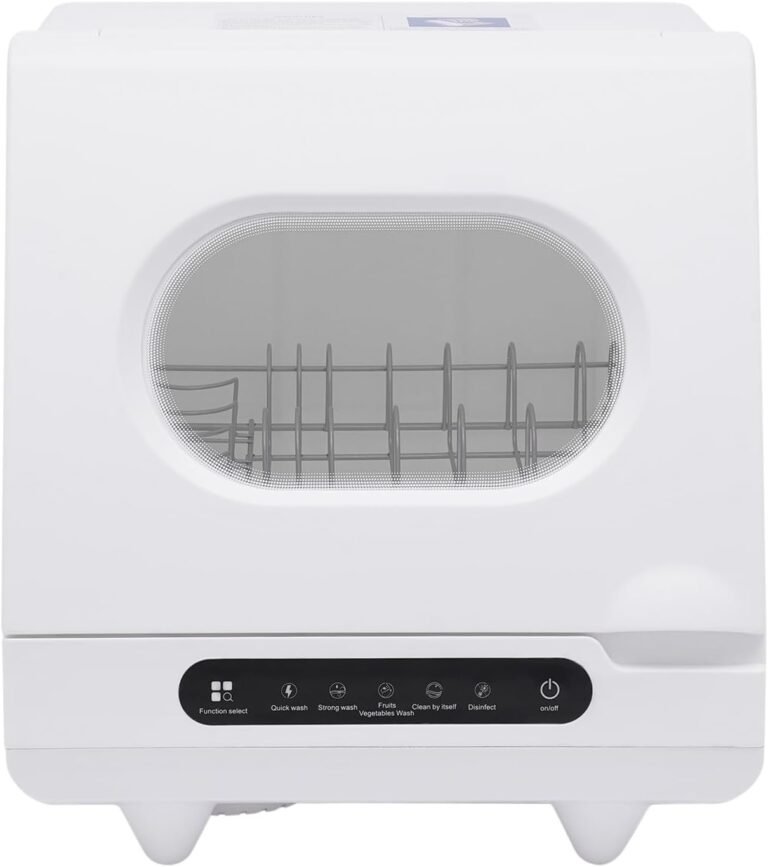
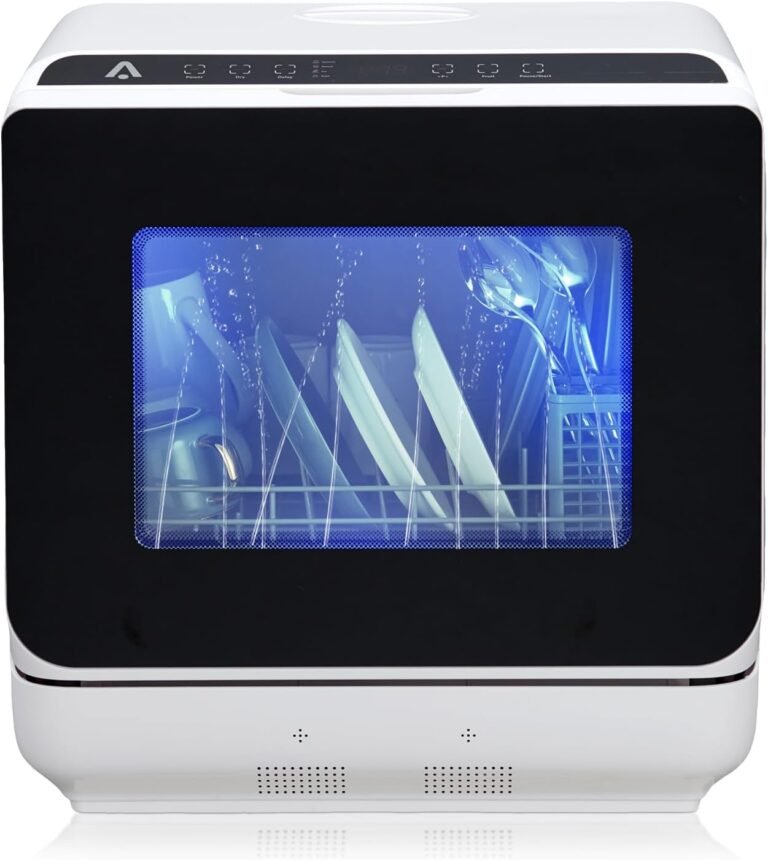
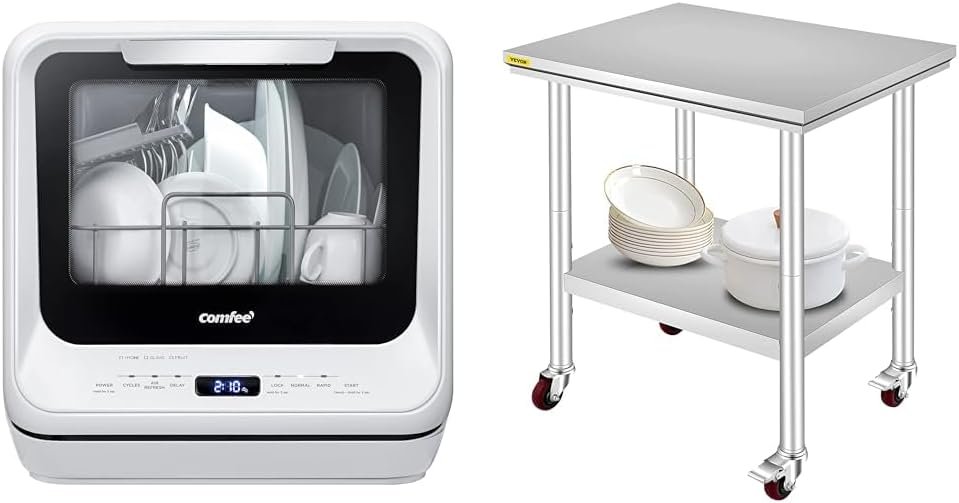
Selecting a dishwasher for a small kitchen or an irregular living arrangement affects daily routines, water use, and noise exposure. Countertop or portable models target households with limited built-in plumbing or where installation is impractical, so decisions hinge on capacity, cleaning effectiveness, and placement flexibility. Noise sensitivity and drying performance are key for open-plan living or shared spaces; a compact unit must deliver thorough spray coverage and high-temperature hygiene cycles while avoiding disruptive sound. Energy and water efficiency expectations should be realistic for a portable unit with a built-in 5L tank that can also connect to a faucet. Rack layout, maximum plate diameter, and program selection influence load strategy. Long-term value depends on materials, filter accessibility, and the ability to maintain spray arms and seals. Understanding these factors helps identify whether a portable COMFEE countertop dishwasher paired with a sturdy stainless steel prep table matches household needs.
Quick Overview
| Feature | Details |
|---|---|
| Dishwasher type | Countertop / Portable with built-in 5L water tank and optional faucet hookup (adapter and hose included) |
| Capacity / place settings | Stated capacity: 30+ items; accommodates plates up to 9.5 inches |
| Wash cycles and cleaning technology | 6 program options: NORMAL, RAPID, STEAM, FRUIT, GLASS, AIR REFRESH extra drying mode; HYGIENE cycle boosts rinsing to 162 °F and up to 192 °F max |
| Drying method | AIR REFRESH extra drying mode (manufacturer-provided term) |
| Noise level rating | Not specified by manufacturer; typical countertop ranges discussed below |
| Energy / water efficiency certifications | Not specified by manufacturer |
| Installation / dimensions / clearance | Countertop installation; requires >19.6″ clearance between countertop and wall cupboard for lid clearance; portable hook-up to kitchen faucet possible |
| Material / finish | Stainless steel construction (dishwasher shell components and separate stainless steel work table) |
| Included components | Dishwasher unit, faucet adapter, water hose; separate Mophorn stainless steel prep table with casters included in combined offering |
| Work table capacity / dimensions | Table size approximately 24 x 30 x 32 inches; upper board ~29.9″ x 23.6″, lower board ~24.6″ x 18.3″; load up to 220 lbs |
| Warranty | Not specified by manufacturer |
The table consolidates the manufacturer’s key disclosures and measurements to show how the unit fits daily life: the built-in 5L tank and optional faucet hookup enable flexible placement, the 9.5″ plate limit sets loading expectations, and the HYGIENE high-temperature cycle targets sanitizing needs. The separate stainless work table increases placement options and mobility for the appliance in compact kitchens or rental spaces.

Cleaning performance and wash coverage
The COMFEE countertop model positions cleaning around six program options and a HYGIENE high-temp mode, combining different soil-lift strategies and thermal sanitization. Program variety influences water temperature, cycle duration, and spray intensity; higher temperature cycles increase detergent activation and grease solubility while steam and glass settings focus on delicate items. Spray-arm design, pump pressure, and internal spray patterns determine coverage across stacked plates and bowls; compact circulation spaces can both aid concentrated coverage and create blind spots near tall items. Filtration and residual water management affect redeposition of soils and spotting. The built-in tank affects available water volume per cycle and may necessitate program selection adjustments. Overall, cleaning outcomes rely on appropriate loading, detergent choice (manufacturer recommends standard dishwasher powder or detergent), and selecting higher-temperature cycles for heavily soiled loads.

Wash programs, temperature control, and cleaning chemistry
The unit’s program list spans NORMAL, RAPID, STEAM, FRUIT, GLASS, and a HYGIENE ramp that increases rinse temperatures to 162 °F and up to 192 °F. High-temperature phases improve removal of fatty soils and enhance sanitizing action through thermal inactivation mechanisms, although actual sanitization depends on time-at-temperature as well as rinse temperature. Steam and glass cycles typically reduce mechanical action and employ lower temperatures or gentler spray patterns to protect fragile items. Detergent chemistry matters: phosphate-free powdered detergents or machine-specific formulations provide enzymes and surfactants to break down organics; regular liquid dish soap is contraindicated due to excessive sudsing. For heavy soils, selecting the HYGIENE or NORMAL cycle boosts cleaning efficacy through combined thermal and mechanical action.
Spray system, coverage patterns, and implications for loading
Spray coverage in compact countertop units depends on pump flow, spray-arm geometry, and the internal cavity layout. In smaller tubs, spray arms can generate higher local velocities for a given pump output, improving forced convection around dishes; however, closely nested items or oversized utensils may block jets and create shadow zones. Tall items should be placed to avoid cross-coverage interference, with plates oriented toward the spray source and bowls angled downward for runoff. The 9.5″ plate limitation indicates a compact upper bound for flatware placement; oversized cookware will reduce effective spray coverage. Effective loading practices—separating utensils, avoiding stacking bowls directly atop each other, and placing glasses on the external rack—optimize reach of spray arms and reduce the need for repeat cycles.
Filtration, water tank constraints, and detergent guidance
A compact unit with a built-in 5L tank trades continuous tap supply for portability; the finite tank volume effectively limits the water available per cycle and may change recommended program behavior. Filtration systems in small dishwashers typically include coarse and fine screens to trap soils and prevent pump fouling; these require periodic cleaning to maintain spray pressure and avoid redeposition of soils. Manufacturer guidance to use standard dishwasher powders or detergents reflects the need for low-foaming formulations that enable consistent pump operation. The FRUIT program explicitly does not require detergent, and RAPID recommends half the standard dose, reflecting shorter cycle durations and lower water volumes. Regular inspection and cleaning of filters and screens preserves spray efficiency and overall cleaning performance.
Capacity, rack design, and place settings
The COMFEE countertop dishwasher is marketed with a 30+ item capacity and a 9.5″ maximum plate size, a configuration that emphasizes small-plate and multi-item washing rather than full-service loads. Capacity claims for portable units often count cups, bowls, and cutlery as items rather than formal place settings; effective place-setting capacity therefore depends on load composition. Rack geometry and tines set whether plates sit at optimal angles for spray exposure, while basket design determines utensil separation to avoid nesting. Compact racks require more attention to alternating tall and short items to prevent spray shadowing. For mixed loads combining glasses, plates, and containers, shorter cycles and glass-specific programs protect delicate ware, while the HYGIENE or NORMAL cycles address heavier soils on plates and baby items.

Rack layout, utensil baskets, and optimizing real-world placement
Rack design in portable models typically balances space efficiency with accessibility. A mix of vertical plate tines and open shelving for bowls allows stacking multiple types of items in a compact footprint. A removable utensil basket or dedicated cutlery tray reduces contact between utensils and helps expose surfaces to spray. For best outcomes, flatware should be staggered and separated to prevent nesting; small lids and plastic containers are best placed on upper racks or angled to shed water. The 9.5″ maximum plate diameter constrains larger dinner plates and may require washing oversized items by hand or in separate batches, while smaller plates, cups, and bowls can be accommodated in the stated 30+ item capacity when loaded efficiently.
Glassware and delicate items: program choice and rack considerations
The GLASS and STEAM programs address delicate ware by combining reduced mechanical intensity with adjusted temperature profiles. Glass cycles typically lower wash temperatures and modify spray intensity to reduce thermal shock and etching risk, while steam cycles use higher humidity and localized thermal energy to loosen soils without aggressive spray. Proper placement—glasses secured between tines and not touching—minimizes chipping and allows consistent drying. For plastic items, lower heat settings and careful placement near the top of the tub prevent warping. When washing baby bottles or children’s dinnerware, the HYGIENE cycle’s higher rinse temperature is relevant, but materials compatibility and manufacturer guidance for accessory fit should be considered.
Noise levels, placement, and suitability for open kitchens
Noise information is not provided in manufacturer disclosures for this model, so expectations should be framed by industry norms for compact countertop units. Typical portable countertop dishwashers operate in a general range that can be perceptible in open-plan living spaces; many models fall between moderate and quiet operation for household use. Vibration and motor mounting affect perceived noise—robust mounting and a stable support surface reduce transmission. Placement on the included stainless steel prep table with locking casters can improve stability but requires attention to level and bracing to avoid amplifying sound. For noise-sensitive environments, selecting lower-intensity cycles, operating the unit during less active hours, or placing it on a vibration-damping mat can mitigate disturbance while preserving cleaning performance.

Industry noise expectations and open-plan compatibility
Countertop dishwashers typically register a perceptible hum during pump and motor operation; while specific decibel ratings are not disclosed for this model, industry-standard compact units are often designed for moderate household noise levels rather than whisper-quiet operation. Open-plan kitchens that prioritize low ambient noise should consider proximity to living areas and whether the dishwasher will run during hosting or resting periods. Cycle selection influences instantaneous noise—RAPID cycles may run shorter and therefore reduce total exposure time, while HYGIENE and NORMAL cycles may run longer with sustained operation. Where low noise is a priority, comparisons to models that publish decibel ratings provide an objective basis for selection.
Vibration, mounting, and the role of the prep table
Mechanical vibration originates from pump operation and water flow; stable mounting, anti-vibration feet, or a rigid support surface reduces transmission to surrounding cabinetry and floors. The Mophorn stainless steel work table supplied with the package features casters with locking brakes and a reinforced triangular linkage design intended to add stability. When casters are locked and the table is level, the unit’s base experiences less movement, reducing rattles. However, thin counter surfaces or unsecured placement can magnify sound and vibration. Ensuring the table is level and the appliance sits flush minimizes resonance and improves the perception of quietness.
Placement clearance, ventilation, and heat/moisture concerns
Manufacturer guidance requires at least 19.6″ of clearance between the countertop and any overhead wall cupboard for lid operation; this is a practical consideration for placement and loading ergonomics. Adequate ventilation around the unit matters because high-temperature cycles and drying phases release heat and moisture; compact kitchens or enclosed cabinetry can trap humidity and increase condensation on nearby surfaces. Operating with a partially open window, leaving adjacent cabinet doors slightly ajar, or using the AIR REFRESH drying mode with proper clearance helps avoid persistent moisture buildup. Placement planning should balance countertop workspace with the need for ventilation and access to the faucet hookup if used.
Energy, water efficiency, maintenance, and durability expectations
Manufacturer disclosures do not list formal energy or water efficiency certifications for this unit; portable models with built-in tanks typically trade continuous tap connection for placement flexibility, which can affect cycle water budgets. Energy use depends on pump motor efficiency, heating element size, and cycle durations—high-temp HYGIENE cycles consume more energy for thermal sanitization. Maintenance tasks include filter cleaning, spray-arm inspection, and periodic descaling where hard water is present; accessible filter screens and removable spray arms simplify upkeep. Construction with thickened stainless steel and non-magnetic stainless components suggests corrosion resistance and structural strength, while welds, seals, and caster hardware determine long-term reliability. Regular maintenance and correct detergent selection contribute to longevity and consistent performance.

Water supply modes, cycle water use, and tank management
The built-in 5L water tank allows operation without permanent plumbing but limits total water available per program; certain cycles—especially HYGIENE and NORMAL—may consume more water to achieve rinsing and temperature goals, potentially requiring tank refills between loads. Alternatively, the included faucet adapter enables direct hookup for continuous water supply while using the same pump and heating systems. Water hardness, detergent dosing, and program selection affect spotting and scale buildup; where hard water is present, occasional descaling and use of rinse aid formulations compatible with the unit will reduce mineral deposits and improve drying outcomes.
Materials, build, and corrosion resistance
Stainless steel construction is advantageous for corrosion resistance, stain prevention, and ease of cleaning; thickened non-magnetic stainless components typically resist surface magnets but offer structural integrity. Reinforced frame designs and triangular linkages in the separate prep table indicate attention to load-bearing performance, with extra support rods under shelves to distribute weight. Long-term reliability depends on quality of seals, hose fittings, and motor/pump durability—accessible parts and replaceable filters reduce downtime. For mobile applications in boats or RVs, attention to vibration-resistant fittings and secure fastening mitigates wear on connections over time.
Maintenance schedule, filter access, and common service considerations
Routine maintenance for compact dishwashers centers on emptying and cleaning the coarse filter after heavily soiled loads, checking spray-arm holes for clogging, and inspecting door seals for residue. Manufacturer guidance to avoid liquid dish soap reduces sudsing-related issues that lead to drain blockages. For units using the built-in tank, periodic tank cleaning and inspection for biofilm or residue are prudent. Where local service is required, availability of replacement hoses, adapters, and filter elements affects repairability. Following recommended detergent types and maintaining filters preserves pump performance and reduces the likelihood of service intervention.

Pros & Cons
Pros
- Portable water supply and faucet hookup: The built-in 5L water tank enables countertop placement without plumbing, and the included adapter and hose provide a direct-tap option for continuous use. This flexibility suits renters and small-space living arrangements.
- Multiple wash programs including HYGIENE: Six program options plus a high-temperature hygiene ramp to 162 °F–192 °F offer cleaning profiles tailored for delicate glassware, rapid touch-ups, and intensive sanitizing cycles for baby items.
- Compact footprint with 30+ item claim: The unit’s space-efficient design supports a stated 30+ item capacity and fits plates up to 9.5″, making it suitable for apartments, dorms, or RV situations where counter space is constrained.
- Stainless steel construction and reinforced prep table: Thickened non-magnetic stainless components and a robust Mophorn work table with triangular linkages and caster locks emphasize corrosion resistance and a stable support platform.
- Included accessories ease setup: The manufacturer supplies a faucet adapter and hose for direct connection, reducing the need for aftermarket fittings and simplifying setup when a tap hook-up is preferred.
- Steam and glass programs for delicate ware: Dedicated cycles reduce mechanical intensity and tailor temperature profiles to protect fragile glasses and plastics from thermal stress.
- AIR REFRESH drying mode: The dedicated drying mode aims to reduce surface moisture after rinse cycles, improving usability for immediate unloading when effective.
- Mobility and storage efficiency: The separate stainless table with locking casters provides a flexible workstation and allows relocation of the dishwasher without strenuous lifting.
Cons
- Limited published efficiency and noise data: Manufacturer disclosures do not include energy certifications or decibel ratings, making objective comparisons on efficiency and sound levels difficult without third-party data. This requires reliance on generic expectations for countertop units.
- Plate size and load constraints: A 9.5″ maximum plate diameter and a compact interior restrict full dinner service capability; larger plates and oversized cookware may need washing by hand or in multiple batches.
- Built-in tank requires management: The 5L tank provides portability but limits water availability per cycle unless the faucet hookup is used, which can interrupt free-standing operation and require periodic refilling.
- Potential for spray shadowing in dense loads: Compact internal geometry increases the risk of items blocking spray paths; careful loading is necessary to avoid repeat cycles or reduced cleaning coverage.
Final Verdict: Who This Dishwasher Is Best For (and Who Should Skip It)
The COMFEE portable countertop dishwasher combined with a Mophorn stainless prep table is best suited to small households, renters, dorm residents, and mobile-lifestyle users who need a flexible, non-permanent washing solution. Its built-in 5L tank plus optional faucet hookup offers placement versatility, and the HYGIENE high-temp cycle is useful where thermal sanitization is desired for baby items and heavily soiled loads. The compact footprint and multi-program selection make it a strong candidate for studios, small apartments, and RVs where space and plumbing are limited and efficient rack loading is accepted.
This unit is less appropriate for households that require full-size dishwashing capacity, frequent large-load service, or verified low-noise operation in open-plan living without tolerance for perceptible motor noise. Buyers seeking formal energy or water efficiency certifications or published decibel ratings should consider alternatives that publish those metrics. For 2026 comparisons, this offering competes on portability and program variety rather than full-service capacity or certified efficiency; thoughtful placement, regular maintenance, and adherence to loading and detergent guidance will maximize performance and longevity.
Frequently Asked Questions (FAQs)
Can the COMFEE portable dishwasher run without a direct water hookup?
Yes. The COMFEE countertop model includes a built-in 5L water tank that allows operation without permanent plumbing. This tank supplies water for a typical cycle, but heavier or longer cycles may require refilling between loads. For continuous water supply, the unit also ships with a faucet adapter and hose to connect to a kitchen tap, which removes the need to refill the tank manually.
Is the HYGIENE cycle suitable for baby bottles and children’s dinnerware?
The HYGIENE program raises rinse and wash temperatures—manufacturer disclosures list a rinsing temperature of 162 °F with a maximum of 192 °F—which improves thermal sanitization potential. Thermal sanitization is dependent on both temperature and exposure duration, so using the HYGIENE cycle aligns with cleaning baby items; however, compatibility with specific bottle materials and manufacturer care instructions should be confirmed prior to use.
How many place settings fit in a countertop dishwasher that claims 30+ items?
Manufacturers often count individual items (plates, cups, bowls, utensils) rather than formal place settings. A stated 30+ item capacity typically accommodates a mix of smaller items—such as cups and bowls—rather than a full set of large dinner plates. The 9.5″ maximum plate diameter constraint further limits full dinner-plate loads, so actual place-setting capacity depends on load composition and rack arrangement.
Does the unit include drying and how effective is the AIR REFRESH mode?
Drying is provided via the manufacturer-specified AIR REFRESH extra drying mode. Air-assisted drying modes circulate warmer air to reduce residual moisture on dish surfaces; effectiveness depends on load composition, material types (glass vs. plastic), and cycle selection. Plastic items and tightly nested load items are more prone to retaining moisture and may benefit from additional drying time or manual towel drying.
What maintenance is needed to keep the dishwasher performing well?
Routine maintenance includes emptying and cleaning the coarse and fine filters after soiled loads, inspecting and clearing spray-arm ports, and periodically descaling if local water hardness is high. For units using the built-in tank, periodic tank cleaning prevents residue buildup. Following the manufacturer’s detergent recommendations and avoiding regular liquid dish soap reduces sudsing and potential drain issues.
Is there a published noise level for this model and is it suitable for open kitchens?
Manufacturer disclosures for this model do not publish a decibel rating. Typical countertop dishwashers operate at perceptible household noise levels that may be noticeable in open-plan living areas. For users in noise-sensitive environments, placement considerations, lower-intensity cycles, or choosing a model with a published low-decibel rating provide better assurance of quiet operation.
Can the included stainless steel prep table support the dishwasher safely?
The Mophorn stainless steel work table is described with reinforced triangular linkages, additional rods beneath each board, and a stated load capacity up to 220 lbs. When casters are locked and the table is level, it provides a stable platform for countertop appliances. Ensuring the combined weight of the dishwasher, water, and any stored items remains below the table load rating supports safe operation.
What detergent type is recommended for this countertop dishwasher?
The manufacturer recommends using standard dishwasher powders or detergents formulated for dishwashers. Regular liquid dish soap is specifically discouraged because it produces excessive suds that can interfere with pump operation and drainage. For RAPID cycles, the manufacturer suggests using approximately half the standard detergent quantity to suit shorter program durations.