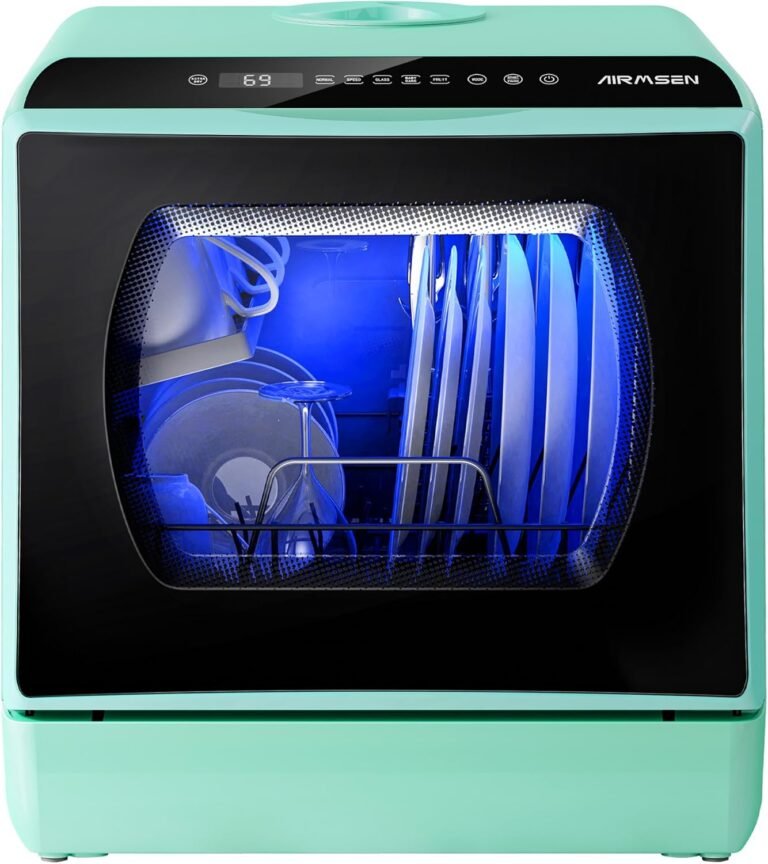
Countertop Dishwasher Review: Cleaning, Noise & Capacity
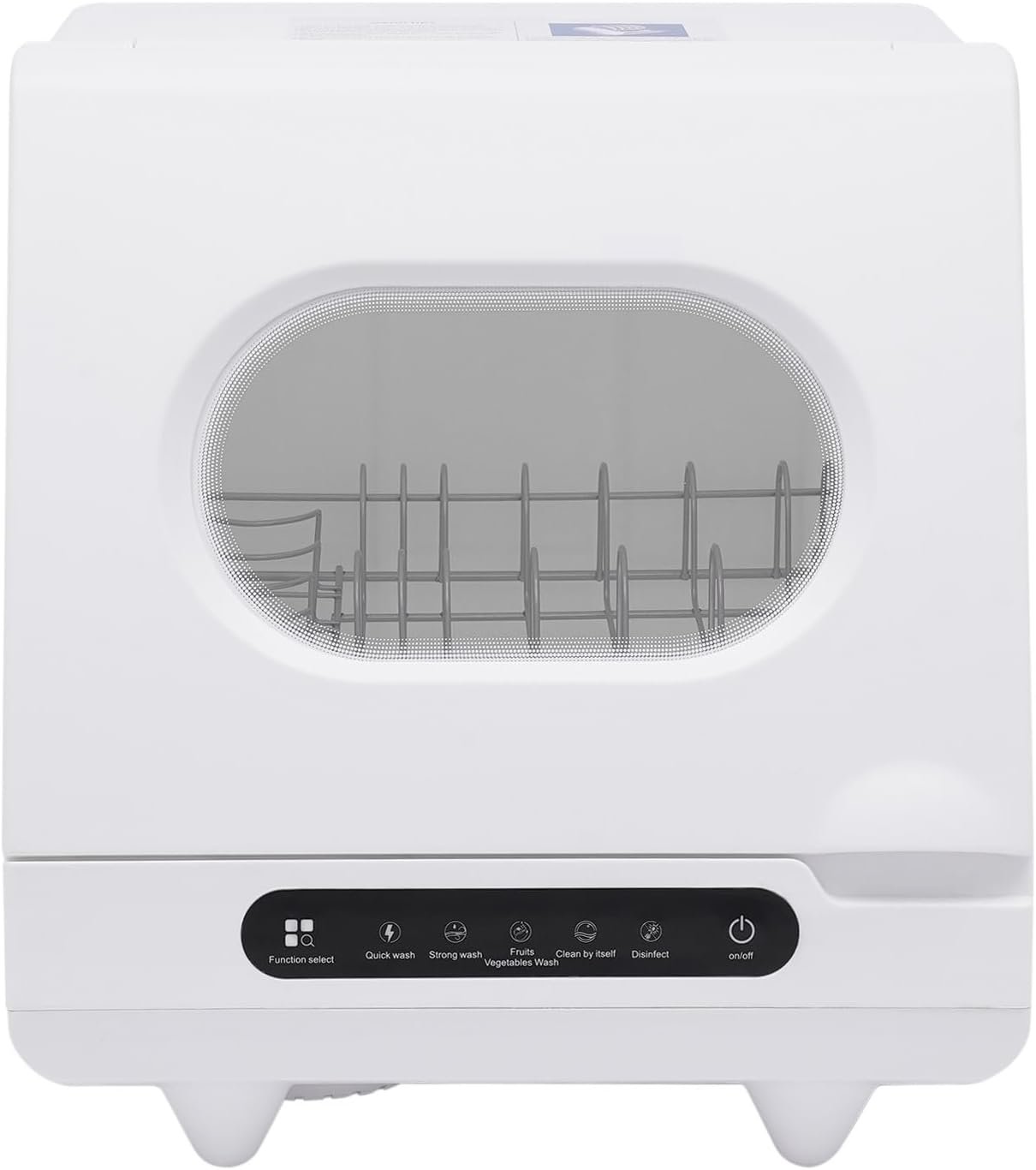
Why countertop dishwasher selection matters for small kitchens
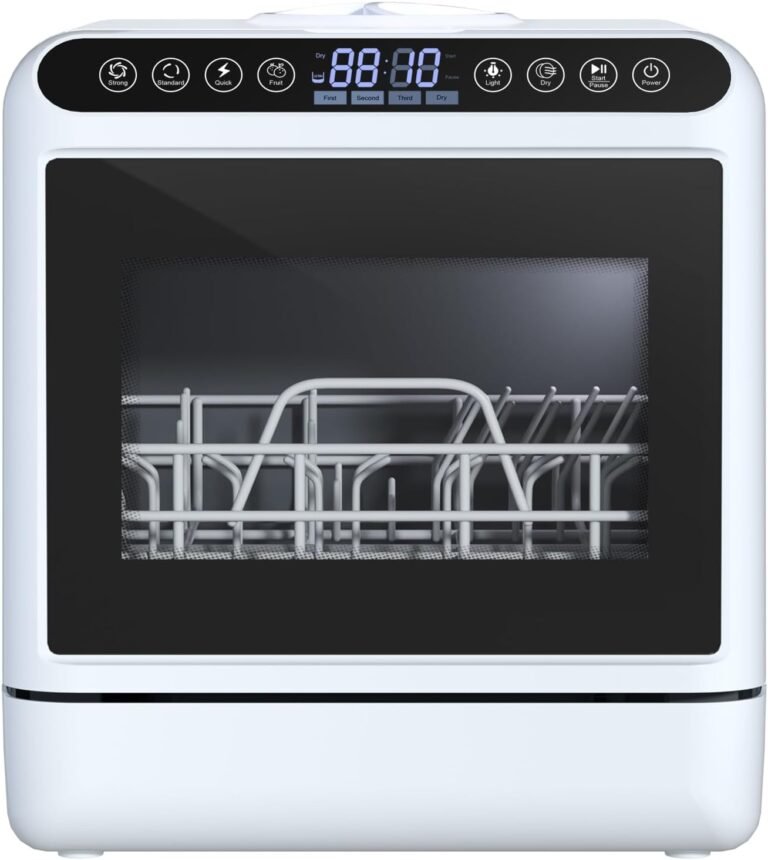
Choosing the right countertop dishwasher is a practical decision that affects daily cleanup routines, kitchen layout, and household efficiency. For one- to three-person households and small apartments, a compact unit must balance cleaning power with a small footprint, quiet operation, and predictable water use. Noise sensitivity is especially important in open-plan living, where a 55 dB rating can influence whether the appliance is heard in adjacent living spaces. Efficiency expectations cover both water consumption and simple maintenance: a portable machine that uses fresh running water and has an accessible filter can reduce spotting and buildup if operators follow manufacturer guidance. Material choices such as ABS, PP, and stainless steel influence durability and heat resistance, while touch controls and included inlet/drain hoses affect ease of installation on a countertop. The result should be a unit that meets everyday dish loads, minimizes disruption, and fits the practical constraints of compact kitchens.
Quick Overview
| Feature | Details |
|---|---|
| Dishwasher type | Countertop / portable |
| Capacity / Place settings | Up to 6 place settings; internal water tank 5 liters |
| Wash cycles / Cleaning functions | 5 intelligent functions: Quick, Strong, Fruits/Vegetable, Self-clean, Disinfect |
| Drying method | Not specified by manufacturer |
| Noise level rating | 55 dB (manufacturer specification) |
| Energy efficiency certifications | Not specified |
| Water use | Max 1.32 gallons per cycle (manufacturer specification) |
| Dimensions & installation | 15.4″D x 15.6″W x 16.9″H; countertop installation |
| Materials & controls | ABS, PP, stainless steel; touch controls |
| Included components | Dishwasher, water inlet hose, drain hose, English manual, installation accessories |
This feature table translates product specifications into household suitability by showing that the unit is designed for very small kitchens and light-to-moderate daily loads. The six-place capacity and compact footprint work for small families or shared apartments, while the 5 wash programs and included hoses simplify countertop hookup. The lack of an explicit drying technology and energy certification suggests buyers should expect basic drying performance and confirm installation compatibility before purchase.
Cleaning performance and wash coverage
Cleaning effectiveness is influenced by spray-arm design, cycle selection, water temperature, and filtration. A portable countertop dishwasher with five programmed functions provides flexibility for different soils: a strong wash for baked-on residues, a quick wash for lightly soiled loads, a fruits/vegetable mode that likely uses gentler spray cycles, and disinfect or self-cleaning cycles aimed at internal sanitization and maintenance. Coverage depends on the location and number of spray nozzles and the turnover of water through the pump; compact units often trade multiple tiers of spray arms for a single or dual-arm arrangement, so load orientation and spacing matter. Consistency of detergent distribution, combined with the manufacturer’s water-softening or water-conditioning claims, will also affect streaking and spotting on glasses and flatware.

Spray system, water flow, and cycle behavior
Spray patterns and pump flow rate determine how thoroughly water and detergent contact every surface. In a compact countertop model, the spray system is generally optimized for horizontal racks: one or two rotating arms or fixed nozzles distribute jets upward and across items. Cycle behavior in programmable modes varies run time and pump duty cycle to compensate for soil level; a strong wash typically holds pump operation longer and may use higher temperatures if the unit connects to a hot water supply or has internal heating. Because small units have limited internal volume, cross-flow between items is more sensitive to how dishes are loaded. Even distribution requires spacing of bowls and cups and placing utensils so jets reach exposed surfaces rather than being shielded by stacked ware.
Filtration and soil handling strategies
Filtration in countertop dishwashers often uses removable mesh or cup-style filters that trap large particles before the recirculation pump. Efficient coarse filtration prevents redeposition of soils during a cycle but requires routine inspection and cleaning to maintain performance. Self-clean cycles and automatic fill/drain systems help reduce standing water and organic buildup; manufacturer disclosures that the unit softens water internally or flushes with fresh running water indicate attempts to limit residue accumulation. For heavier soils, pre-rinsing or scraping is commonly recommended to avoid filter clogging and preserve spray performance. Consistent maintenance of the filter and adherence to detergent type and dosage guidance are primary ways to sustain wash coverage over time.
Capacity, rack design, and place settings
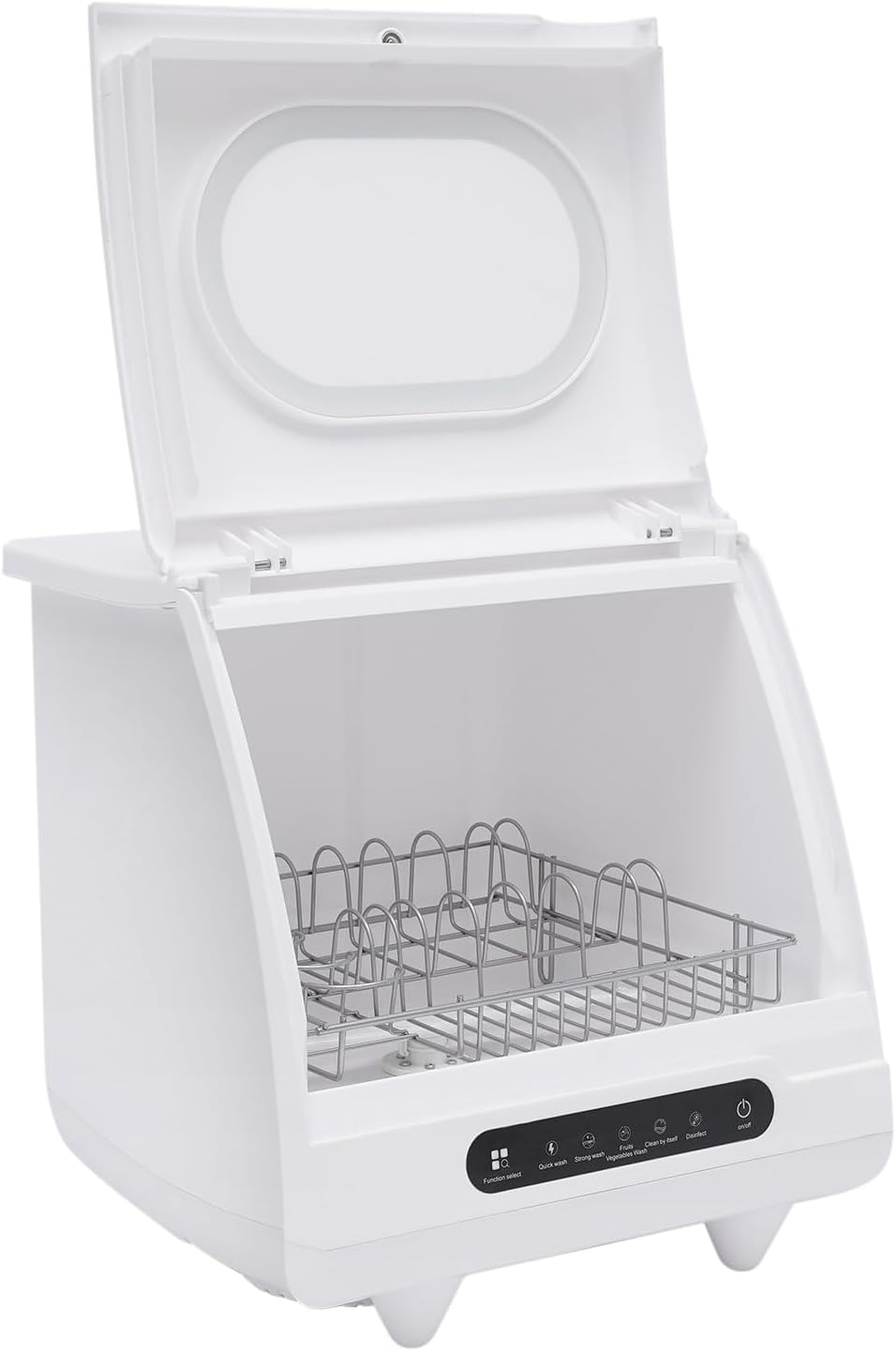
Capacity decisions hinge on both stated place settings (six sets) and practical loading geometry. A six-place setting rating reflects flatware, plates, bowls, cups, and some utensils sized for conventional tableware but does not equate to the clearance or flexibility found in full-size units. Rack design in compact models balances fixed compartments with removable or foldable tines; these determine how many plates can be placed upright and how cups or stemware are supported. Utensil holders or dedicated cutlery trays influence cleaning contact for forks and knives. Internal dimensions and rack height limit the ability to fit larger serving bowls or tall glasses, so buyers should compare typical cookware and glassware dimensions with the unit’s interior space before relying on the six-place claim.

Loading strategy for practical six-place use
A six-place specification is useful for estimating daily throughput but must be translated into loading strategy. For best results, place plates and bowls with their soiled faces angled toward spray paths, stagger cups to avoid nesting, and separate cutlery to expose surfaces. The presence of a utensil basket or separate tray changes how forks and spoons are oriented; baskets typically require vertical placement, while cutlery trays can hold items flat for improved access. Compact racks often lack adjustable height, so plan loads around fixed layout constraints. To avoid reduced wash coverage, avoid overloading—especially with pans and baking dishes that block spray paths—and reserve heavy soils for the strong wash cycle when available.
Rack materials, coatings, and long-term wear
Rack construction and coating influence durability and interaction with detergent and water chemistry. Common rack materials include steel wire with polypropylene or vinyl coatings; these resist rust and provide a smoother surface for dishware contact. In a unit using ABS and PP interior components and stainless steel elements, coating integrity matters as chipping or wear exposes underlying metal to corrosion. Regular inspection for flaking of vinyl coatings and adherence to manufacturer cleaning recommendations helps preserve both rack appearance and gentle contact with glassware. For longevity, avoid sharp metal utensils rubbing against coatings and use recommended detergents to minimize accelerated wear from harsh chemistries.
Noise levels and suitability for open kitchens
Noise ratings provide a baseline expectation for audible disruption, but perceived loudness depends on frequency content and ambient room acoustics. A manufacturer-specified 55 dB places this countertop model in a moderately quiet category compared with older or larger dishwashers, but still potentially audible in quiet living areas. For open kitchens, low-frequency vibration and motor hum are more noticeable than higher-frequency water spray sounds; isolation mounts, rubber feet, and a pure-copper motor design contribute to vibration damping and may reduce perceived noise even when the decibel number is unchanged. Buyers should consider placement on a stable countertop, proximity to sleeping areas, and the presence of background noise from HVAC or entertainment systems when evaluating suitability.

Interpreting a 55 dB rating in an apartment context
A 55 dB rating equates roughly to conversational background noise in a living area; it is quieter than many older dishwashers but not silent. In open-concept apartments, a consistent 55 dB source can be noticeable during quiet evening hours; conversely, the same level may be masked during active daytime use. Manufacturers sometimes list noise without standardized lab method details for small portable units, so perceived sound also varies by installation and countertop resonance. For noise-sensitive environments, placing soft pads under the unit, positioning away from sleeping areas, or running cycles when ambient noise is higher can mitigate perceived intrusion.
Motor type, vibration control, and operational steadiness
Motor construction and mounting directly influence both noise and operation stability. A pure-copper motor noted in manufacturer materials typically indicates robust winding and thermal characteristics that can support steady pump operation; copper windings can offer efficiency and reduced heat under load compared with lower-grade alternatives. Vibration control is accomplished through internal mounting, isolation feet, and balanced pump assemblies. Compact dishwashers have less mass to absorb vibration, making secure countertop placement and level adjustment important to prevent movement during high-flow cycles. Regular inspection of supplied hoses and fittings reduces the risk of rattling or vibration-transmitted noise through connected fixtures.
Drying systems and moisture control
Drying performance depends on whether the dishwasher employs passive air-dry, condensation drying, heating elements, or forced-air fans—information that must be confirmed in manufacturer disclosures. When drying method details are not specified, expectations should default to basic residual moisture control from cycle design and drainage effectiveness. Compact units that use fresh water for each cycle and automatic drain routines reduce standing moisture and limit microbial growth, but may leave glasses and plastics with more residual water than a unit with active heating or fan-assisted drying. Material choices and interior finishes also influence spotting: stainless surfaces and higher rinse temperatures generally reduce mineral deposits when water quality is moderate.

Residual moisture, plastics, and heat-sensitive items
Small countertop dishwashers typically provide adequate drying for ceramics and most glassware, but plastics and shallow bowls often retain droplets due to lower thermal mass and cooler surfaces. Without a dedicated drying element or extended heated rinse, plastics can remain wetter than dishware that retains heat longer. This effect is a function of heat transfer during the final rinse and the subsequent airflow patterns inside the tub. For items that require near-dry output, manual towel drying or a brief airing period after cycle completion may be necessary. Users should follow manufacturer guidance on loading heat-sensitive items and verify that recommended plastics are dishwasher-safe to avoid deformation.
Drainage, ventilation, and odor management
Automatic fill-and-drain systems reduce standing water between cycles, which is beneficial for odor control and internal hygiene. Proper drainage requires that the supplied drain hose is installed with an appropriate fall and does not trap water in U-bends that can breed odors. Ventilation during and after cycles helps dissipate moisture; some portable models incorporate a short post-cycle vent or allow the door to be slightly ajar to speed drying. Regular self-clean cycles and periodic filter maintenance, as described by the manufacturer, are primary defenses against odor development and microbial buildup in compact dishwashers.
Energy and water efficiency expectations, maintenance, and durability
Water consumption and energy use reflect both the cycle programming and engineering choices. A maximum 1.32-gallon per cycle figure positions this unit as water-conservative relative to many hand-washing scenarios, but overall energy use depends on whether the machine draws hot water from the home supply or uses an internal heater. Maintenance expectations include routine filter cleaning, inspecting inlet and drain hoses for kinks, and running self-clean cycles to reduce scale and residues. Durability considerations arise from the mix of ABS and polypropylene plastics with stainless steel elements: plastic components minimize weight and manufacturing cost while stainless parts provide wear resistance in high-temperature and wetted areas. Long-term reliability is influenced by usage patterns, water hardness, and adherence to manufacturer maintenance sequences.

Water use, energy sourcing, and cycle efficiency
Reported water use of up to 1.32 gallons per cycle indicates conservative internal water management and the use of fresh water flushing. Efficiency in energy terms depends on whether cycles rely on the household hot water supply or an internal heating element; connecting to a hot-water source can reduce internal heating demand but introduces variability based on household water heater settings. Cycle lengths, pump duty cycles, and the intensity of the strong wash setting also affect cumulative electricity use. Because energy certification details are not provided, buyers with strict energy performance criteria should seek clarified manufacturer data or third-party testing results before assuming a particular operational cost profile.
Filter care, self-clean cycles, and signs of wear
A removable coarse filter and self-clean function simplify routine maintenance needs. Cleaning the filter after heavily soiled loads and running a periodic self-clean helps remove grease and mineral deposits that degrade performance. Inspecting hoses, seals, and the door gasket for cracks or hardening is important to prevent leaks and loss of sealing performance over time. ABS and PP parts withstand normal dishwasher temperatures but can become brittle with prolonged exposure to high-heat cycles or aggressive chemicals, so following detergent and cycle recommendations supports longevity. Consistent care and attention to manufacturer service notes are primary factors in extending operational life.

Pros & Cons
Pros
- Compact footprint and portability. The countertop design and included inlet/drain hoses make the unit suitable for apartments, RVs, or temporary installations, reducing the need for permanent plumbing modifications.
- Multiple wash modes for task flexibility. Five intelligent functions enable selection of quick, strong, gentle (fruits/vegetable), self-clean, and disinfect cycles that address a range of soils and loading scenarios.
- Low water consumption per cycle. A maximum of 1.32 gallons per cycle uses significantly less water than typical hand-washing and supports water-conscious households.
- Quiet operation claim. A manufacturer-specified 55 dB rating and pure-copper motor suggest reduced audible disturbance compared with older portable models, improving suitability for open-plan living.
- Self-clean and automatic fill/drain features. These functions aid internal hygiene by flushing with fresh water and reducing standing water that can cause odors or residue buildup.
- Touch controls and included installation accessories. Electronic touch controls simplify operation and the inclusion of hoses and manuals reduces the likelihood of missing components at setup.
Cons
- Limited capacity for larger cookware. The six-place setting rating and compact interior dimensions restrict accommodation of large pots, baking sheets, and tall stemware, which may require hand washing.
- Drying method not specified. Without a clearly stated drying system, expectations for fully dry plastics and shallow items should be conservative; additional airing or towel drying may be necessary.
- Energy certification not provided. The absence of ENERGY STAR or similar certification in product details means energy performance should be clarified if efficient electricity usage is a priority.
- Lightweight materials and potential wear. ABS and PP components balance cost and weight but can show wear over extended heavy use; attention to coating integrity on racks is advisable to prevent corrosion.
Final Verdict: Who This Dishwasher Is Best For (and Who Should Skip It)
This countertop dishwasher is best suited for individuals, couples, or small households in apartments, shared housing, or mobile living where counter space is at a premium and hardwiring a built-in unit is impractical. The six-place capacity, low water consumption, and five programmable wash functions address routine daily loads—particularly plates, cups, cutlery, and shallow bowls—while the included hoses and touch controls simplify temporary hookup. The 55 dB noise rating and pure-copper motor suggest reasonable in-home quiet performance, making the unit appropriate for open-plan spaces if placement is considered carefully.
Those who should consider alternatives include households that regularly wash large pots, pans, or tall stemware, and buyers who require certified energy-efficiency ratings or aggressive drying performance. Users needing commercial-grade durability or who prioritize rapid, high-capacity turnaround will find a full-size built-in dishwasher more appropriate. Overall, for small-space living in 2026 where water conservation, compact footprint, and flexible wash programs are priorities, this countertop model represents a pragmatic option when matched to load size and maintenance expectations.

Frequently Asked Questions (FAQs)
How many place settings does a compact countertop dishwasher accommodate?
A typical compact countertop dishwasher of this size is rated for up to six place settings, which covers standard plates, bowls, cups, and cutlery. This capacity suits one- to three-person households for routine daily loads but limits space for large pots, tall stemware, and oversized casserole dishes.
Will a countertop dishwasher with a 55 dB rating be disruptive in an open-plan living space?
A 55 dB rating is moderate—quieter than many older models but still audible in quiet environments. In open-plan living, perceived disruption depends on room acoustics, placement, and background noise levels; placing the unit on a stable surface and running it during active hours can reduce perceived intrusion.
Does a portable dishwasher with self-clean and automatic drain reduce odor and residue buildup?
Automatic fill-and-drain plus a self-clean mode reduce the amount of standing water and help flush residues, which lowers the likelihood of odors and microbial buildup. Routine filter cleaning and correct drainage installation remain necessary to maintain odor control and optimal performance.
Can this countertop dishwasher handle heavily soiled pots and pans?
While the unit offers a strong wash cycle designed for tougher soils, compact countertop machines generally have limited interior volume and lower spray coverage than full-size models. Heavily soiled large pots, pans, and baking sheets may still perform better with hand washing or in a full-size dishwasher.
What maintenance tasks are required to keep a portable dishwasher performing well?
Routine maintenance includes emptying and rinsing the coarse filter after heavily soiled loads, inspecting inlet and drain hoses for kinks or blockages, running periodic self-clean cycles, and checking gaskets and rack coatings for wear. Following manufacturer detergent guidance and water hardness recommendations also helps extend component life.
How should plastics and glasses be loaded to improve drying in a compact dishwasher?
To improve drying, place glasses and ceramics with openings facing down or angled toward spray patterns, and avoid nesting plastics so airflow can reach interior surfaces. Since many compact units lack powerful heated drying, allowing items to sit briefly with the door slightly ajar after the cycle or towel-drying plastics may be necessary for fully dry results.
Does the stated water use of 1.32 gallons per cycle mean lower energy consumption?
Lower water use reduces the volume needing heating, but overall energy consumption depends on whether the dishwasher pulls hot water from the home supply or uses an internal heater. Without explicit energy certification details, energy use should be inferred from cycle settings and heating source rather than water use alone.
Are professional installations required for countertop portable dishwashers?
Countertop portable dishwashers are designed for simple installation using the included inlet and drain hoses, which connect to a kitchen faucet or sink drain. Professional installation is typically unnecessary, but users should ensure the sink faucet connections are compatible and that the drain hose is routed without low points that trap water.