Portable Mini Dishwasher Review: Cleaning, Noise & Fit Guide
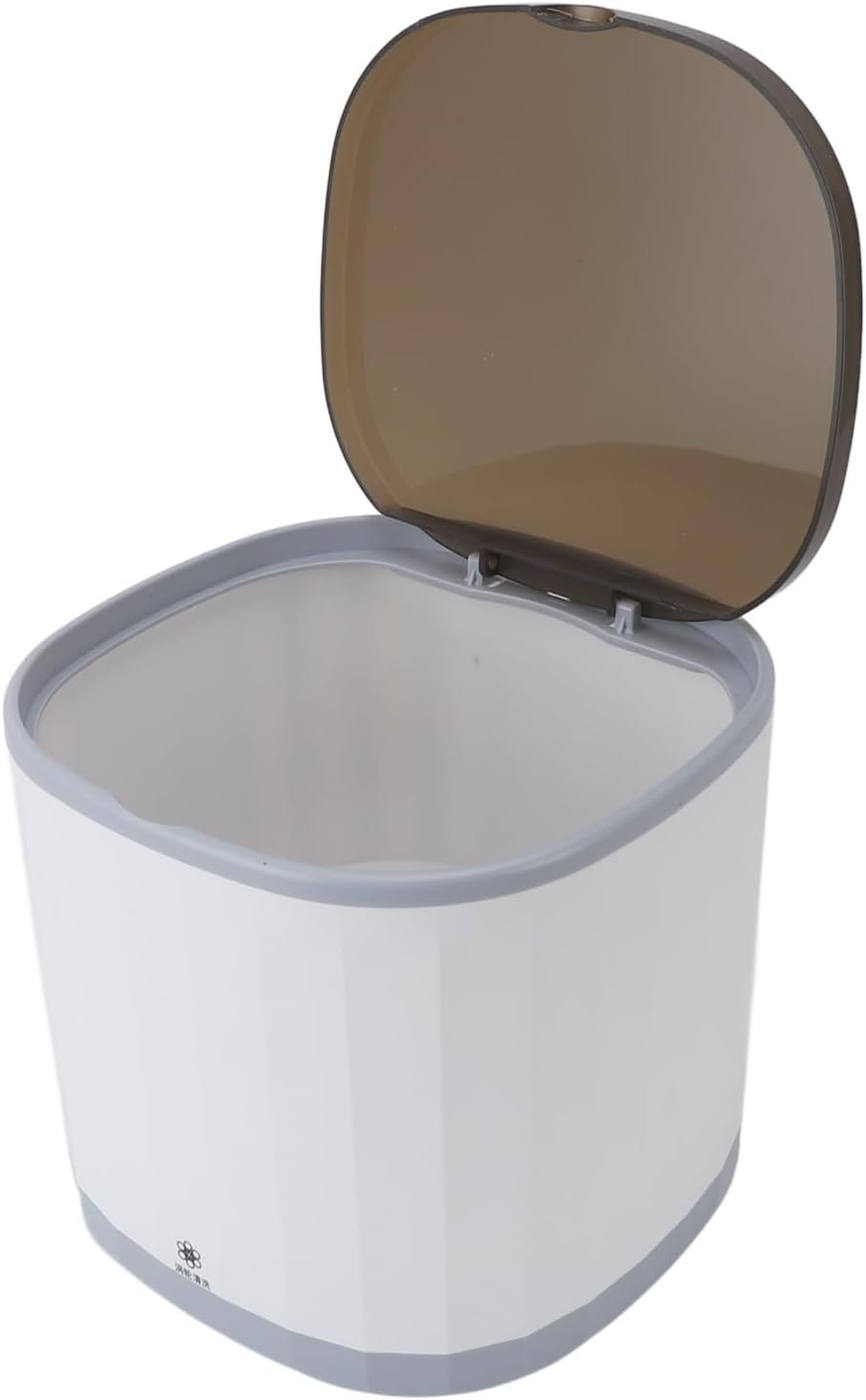
Why small dishwasher selection matters for kitchens and routines
Choosing a small, portable dishwasher requires balancing cleaning performance, space constraints, and daily usage patterns. Household size, frequency of tea and cup use, and counter or shelf space determine whether a compact unit is an appliance upgrade or an impractical compromise. Noise sensitivity and open-plan kitchens heavily influence suitability: battery-powered, pump-driven units can produce perceptible motor noise that may be intrusive in quiet living areas. Energy and water efficiency expectations should be calibrated to product class — miniature, rechargeable washers trade large-tank efficiency and heated drying for convenience and portability. Materials and build quality such as ABS housings, internal cup holders, and snap-fit components affect durability and the need for periodic maintenance. Users prioritizing rapid, localized cleaning of cups, small plates, or travel mugs will find different trade-offs than households seeking full dish loads; accurate assessment of daily cleaning needs and storage location will guide the correct small dishwasher choice.
Quick Overview
| Feature | Details |
|---|---|
| Dishwasher type | Portable / Specialty countertop tea & cup washer |
| Capacity | Approx. 4 L internal capacity (small sets of cups) |
| Wash cycles & cleaning tech | Manufacturer describes a 15‑minute positive/negative turbo wash, automatic water change, plus a 5‑minute follow-up wash; 360° flushing action |
| Drying method | Passive moisture control via reverse insertion/dust storage; no heated drying indicated |
| Noise level rating | Not specified by manufacturer |
| Energy & water efficiency certifications | None listed by manufacturer |
| Dimensions & installation | 8.27 x 8.27 x 7.87 inches; freestanding portable unit |
| Materials & finish | ABS plastic housing; internal cup holder with snap-fit elements |
| Power & charging | USB charging port with internal rechargeable battery; adapter included |
| Warranty | Not listed in product specifications |
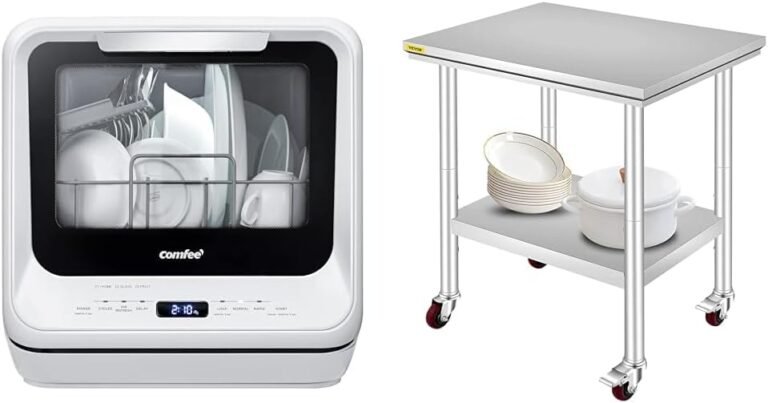
This compact portable dishwasher is presented as a specialty appliance for tea cups and small sets. The 4 L capacity and internal cup-holder design point to spot cleaning rather than full-service dishwashing. USB rechargeability and a freestanding form factor make it suitable for temporary placements in small kitchens, offices, or dorm rooms, while the absence of heated drying and official efficiency certifications suggests different operating expectations than standard countertop or built-in dishwashers.

Cleaning performance and wash coverage
The cleaning performance of a compact portable unit is shaped by pump size, spray geometry, and filtration strategy rather than large wash chambers or multiple spray arms. This model describes a 360° flushing action combined with a 15‑minute positive/negative turbo wash followed by an automatic water change and a final 5‑minute cycle; such sequencing aims to dislodge tea stains and suspended soils while refreshing rinse water to avoid redeposition. A rotary or oscillating nozzle arrangement coupled with targeted internal cup holders can concentrate jets onto curved surfaces, but soil removal on dried-on residues will depend on water temperature, detergent chemistry, and mechanical agitation. Because small, USB‑rechargeable pumps typically deliver lower flow and pressure than mains-powered dishwashers, performance expectations should align with light to moderate soiling rather than heavy baked-on grime.

Spray system geometry and jet effectiveness
Spray performance in miniature washers depends on nozzle placement, jet angle, and rotational action. A 360° flushing design implies symmetrical coverage around cylindrical objects, ideal for tea cups and small mugs. Effective jet patterns use a mix of direct-impact streams to puncture food films and diffuse sprays to rinse loose debris. The positive/negative turbo wash sequence suggests alternating directional flow or agitation phases to reach recessed areas, though absolute jet pressure and flow rates are not specified. For users concerned about stubborn stains, pre-soaking or a manual scrub will improve outcomes when the compact pump and lower water volume cannot match full-size dishwasher hydraulics.
Filtration and water change strategy
A compact unit’s filtration approach balances clog prevention and ease of cleaning. The manufacturer describes an automatic water change between cycles; this reduces redeposition risk by replacing soiled wash water rather than relying on a single bath. Filtration is typically coarse in portable models, capturing larger particles while allowing finer solids to remain in suspension for removal during the water change. Routine emptying and rinsing of internal components after use will maintain effectiveness. Users should expect periodic inspection of screens or traps and follow the included manual for safe removal and cleaning of accessible filter parts.
Detergent compatibility and temperature constraints
Small, rechargeable dishwashers operate with limited water volume and lower heating capability, often relying on ambient or moderately warm water rather than sustained high temperatures. Detergent choice should favor low-foaming, concentrated formulations tailored for manual or portable machines to prevent excessive sudsing and ensure rapid soil removal. High-temperature‑dependent sanitizing cycles are unlikely in this class, so detergent chemistry and mechanical action take precedence for stain removal. Manufacturer guidance on detergent type and maximum water temperature should be followed to avoid internal pump or seal damage.
Capacity, rack design, and place settings
Capacity in a mini portable dishwasher is a function of internal volume, holder geometry, and usable clearance rather than traditional place settings. The 4 L internal volume and detailed cup-holder designs indicate a focus on small sets—tea cups, small mugs, and perhaps compact saucers—rather than full dinnerware loads. Snap-fit internal holders and multiple insertion options are intended to stabilize varying cup sizes and prevent movement during wash cycles, improving jet targeting and reducing collision risk. The freestanding form factor and compact footprint enable placement on countertops or desks, but the limited internal volume means users should plan cycles around small batches. For households requiring multi-place settings per cycle, this appliance is best treated as a spot-cleaning supplement rather than a replacement for standard dishwashing equipment.

Internal cup holders and load stability
Detailed internal holder designs stabilize cups and mugs to maintain consistent jet exposure during the wash cycle. Snap-fit fixtures and variable insertion positions allow different cup diameters and heights to be secured, which reduces vibration-induced contact and improves cleaning coverage. Because the unit uses rotational flushing, secure placement prevents shifting that could block nozzles or create dry zones. Buyers should assess whether common household cups match the holder geometry and consider whether additional separators or protective padding might be needed to avoid chipping when loading mixed items.
Usable load per cycle and turnover expectations
With an approximate 4 L capacity, the usable load is typically a few cups or a small tea set. Turnover expectations should reflect quick, frequent cycles rather than fewer large loads: multiple short runs can maintain availability of clean cups but increase cumulative energy and water use relative to running one larger appliance. For single occupants, office use, or beverage-focused routines, the fast-cycle approach can be convenient; for families generating full-place settings at meals, the capacity constrains effectiveness and may increase manual washing tasks.
Shape, dimensions, and placement flexibility
Compact dimensions (8.27 x 8.27 x 7.87 inches) and a lightweight ABS construction enable flexible placement on counters, shelves, or desks. Freestanding operation means no permanent plumbing or cabinetry modifications; included adapter and USB charging allow operation where USB power is accessible. Placement considerations should include stable, level surfaces and proximity to safe water handling routines for filling and draining the small internal reservoir. The small footprint yields strong portability benefits but requires careful planning to integrate into a routine without cluttering limited counter space.
Noise levels and suitability for open kitchens
Noise in compact pump-driven dishwashers stems from the motor, pump cavitation, and flow turbulence in small plumbing passages. Manufacturer specifications for this model do not provide a decibel rating, which leaves buyers to infer typical acoustic profiles: portable, rechargeable pumps often produce a steady mechanical hum and transient higher-frequency tones during rapid flushing. The short cycle durations and intermittent operation may mitigate sustained disturbance, but noise may be perceptible in adjacent living spaces or quiet open-plan layouts. Users in noise-sensitive homes should consider placement in areas where motor noise will not interfere with conversation, sleep, or media, and verify return/refund policies if acoustic performance is a critical factor.

Expected acoustic characteristics of USB rechargeable pump systems
Rechargeable, small-form pumps trade size for portability and typically run at higher RPMs to achieve necessary flow, producing a tonal motor hum and pump noise. Because acoustic insulation is limited in compact ABS housings, vibration transmission to the supporting surface can also be a contributor to perceived loudness. The absence of manufacturer decibel data means that buyers should temper expectations: noise will likely be higher than integrated, insulated full-size dishwashers but may be within acceptable ranges for short cycles in kitchens and offices. Anti-vibration pads and placing the unit on soft surfaces can reduce transmitted noise to adjacent structures.
Noise timing and household routines
Short wash cycles and intermittent use change how noise impacts a household. A 15‑minute turbo sequence followed by a 5‑minute finishing wash concentrates acoustic output into short bursts rather than prolonged operation. For workplaces or daytime use, bursts may be tolerable; in evening or bedroom-adjacent settings, even brief bursts can be disruptive. Buyers should consider scheduling runs during active hours or placing the unit where doors or cabinetry buffer sound. Because the model is freestanding, temporary relocation before running cycles is a practical option for reducing household noise exposure.
Open-plan kitchen considerations and social spaces
Open-plan kitchens transmit appliance sound directly into living areas. Given the compact unit’s likely higher tonal noise and lack of manufacturer-specified insulation, social gatherings, remote work calls, or media consumption could be affected during runs. Placement against a soft surface, behind a partial partition, or in an adjacent utility niche can reduce perceived loudness. For households prioritizing whisper-quiet performance for overnight cycles or noise-sensitive activities, seeking models with published decibel ratings and acoustic insulation would provide clearer comparability.
Drying systems, moisture control, energy efficiency, and maintenance
Drying in miniature dishwashers typically relies on passive moisture control, low-heat evaporation, or air circulation rather than robust heated-dry systems. The product description references reverse insertion to keep items dry and a dust-storage orientation, indicating design features that minimize residual moisture when items are stored inverted. Energy and water efficiency certifications are not listed, and the small recharge-based power system implies lower total energy use per cycle but also limited heating capability. Maintenance needs focus on filter and pump access, periodic draining, and cleaning of the small reservoir to prevent residue buildup. Durability considerations include ABS housing longevity, snap-fit holder wear points, and the lifecycle of the internal rechargeable cell; routine inspection and adherence to manufacturer cleaning procedures will extend operability.

Drying method specifics and moisture management
Passive drying and moisture control depend on interior airflow and the position of items after the cycle. Inverted storage positions and dust-cover designs reduce retained water in cups, but complete moisture removal is unlikely without active heated drying. Users should expect to towel-dry rims or interiors for immediate use or allow additional air drying after completion. For items requiring immediate low-moisture contact, a brief manual wipe remains the most reliable method given the absence of a dedicated heating element.
Energy and water expectations for rechargeable portable units
Rechargeable units minimize reliance on continuous mains power but do not necessarily equal high efficiency in cleaning per unit of energy due to repeated short cycles and potential manual pre-rinsing. Water consumption per cycle is small in absolute terms, aligned with the 4 L internal volume, but frequent runs can increase cumulative water use. No industry-certified efficiency labels are provided, so performance comparisons should account for operating patterns: infrequent, targeted use favors this format, while frequent batch washing may be more efficient on larger, certified machines.
Filter upkeep, pump maintenance, and long-term durability
Maintenance centers on accessible screens, coarse filters, and occasional reservoir flushing to prevent buildup of tea residues and mineral deposits. The manufacturer includes an adapter and user manual; following prescribed cleaning intervals preserves pump seals and nozzle function. ABS components resist corrosion but can be susceptible to wear at snap-fit points if frequently reconfigured, and repeated exposure to hot water or harsh detergents can accelerate aging. Rechargeable battery longevity depends on charge cycles and ambient storage conditions; manufacturers often do not publish cycle counts for integrated cells, so conservative usage and proper storage between uses will benefit long-term reliability.

Pros & Cons
Pros
- Compact footprint and portability: The small dimensions and lightweight ABS housing enable placement on counters, desks, or shelves where full-size dishwashers cannot fit. This portability supports temporary setups in offices, dorms, or small apartments without plumbing changes.
- Targeted cleaning cycles for cups and mugs: A 15‑minute turbo wash combined with 360° flushing and a follow-up 5‑minute cycle concentrates cleaning action on cylindrical vessels, which benefits tea cups and similar items prone to staining.
- USB rechargeability and included adapter: USB charging allows flexible power options using common adapters, power banks, or computer USB ports, eliminating reliance on fixed outlets during operation in many settings.
- Internal cup-holder design for load stability: Multiple snap-fit positions and a molded holder aim to secure various cup sizes during spinning or flushing, reducing movement and improving jet exposure.
- Low water volume per cycle: The 4 L capacity limits water consumption per run compared with full-size dishwashers, aligning with spot-cleaning use cases and reducing the volume of water required to clean small items.
- Simple filtration and automatic water change: An automatic water-change sequence between main and follow-up cycles reduces redeposition of soils and simplifies maintenance compared with single-bath systems.
Cons
- Limited capacity and place-setting coverage: The small 4 L capacity is suitable for cups and small items only; it is not designed for dinner plates or full utensil loads, limiting usefulness as a primary dishwasher.
- No specified noise rating: Absence of a manufacturer-provided decibel value means acoustic performance is uncertain; portable pump systems can be perceptibly loud in quiet environments.
- No heated drying or efficiency certifications: Drying relies on passive measures and manufacturer moisture-control orientation, and there are no listed energy or water efficiency certifications to benchmark performance.
- Durability questions tied to ABS snap-fit parts and internal rechargeable cell: Frequent reconfiguration of holders or heavy use could accelerate wear on plastic components and battery cycle life is not specified.
- Filtration likely coarse and manual maintenance required: Small units commonly use simpler filtration that requires periodic emptying and cleaning to maintain wash quality, increasing hands-on upkeep compared with integrated dishwasher drain systems.
Final Verdict: Who This Dishwasher Is Best For (and Who Should Skip It)
This mini USB-rechargeable dishwasher suits individuals and small households that prioritize rapid, targeted cleaning of cups, small mugs, and compact tea sets. Its compact 4 L capacity, detailed internal holders, and 360° flushing action make it a practical accessory for office desks, dorm rooms, or secondary kitchens where occasional cup sanitation is needed without full plumbing. The USB charging option and freestanding form factor enable flexible placement and use in spaces with limited power access. Buyers seeking a portable solution for beverageware will appreciate the focused wash sequencing and low absolute water use per run.
Conversely, this unit is not a substitute for a primary countertop or built‑in dishwasher in families or households requiring full place settings, heavy-soil removal, or energy certification-backed efficiency. Users who need quiet overnight operation or robust heated drying should consider alternative models with published decibel levels and active drying systems. Durability-conscious buyers should note the ABS construction and internal rechargeable battery—frequent, heavy use may expose constraints not present in larger, mains-powered dishwashers. Overall, for 2026 compact-use scenarios emphasizing portability and cup-specific cleaning, this mini dishwasher provides convenience with predictable limitations.

Frequently Asked Questions (FAQs)
How many cups or items will this mini dishwasher hold per cycle?
Capacity is limited by the 4 L internal volume and the internal cup-holder configuration. The unit is designed for small batches such as a few tea cups, small mugs, or compact saucers rather than multiple full place settings. Users should plan cycles around quick turnover of beverageware rather than loading large dining sets.
Does this portable dishwasher use a heated drying cycle?
Manufacturer information does not list an active heated drying system. Drying relies primarily on passive moisture control measures, such as inverted placement and a dust-cover orientation that reduce retained water. For immediate low-moisture needs, a brief towel dry or air drying after the cycle is recommended.
Is the appliance suitable for open-plan living areas in terms of noise?
No decibel rating is provided by the manufacturer, so acoustic performance is unspecified. Small rechargeable pump systems often produce a steady motor hum and transient flushing tones that may be noticeable in quiet open-plan spaces. Placement away from social areas or scheduling runs during active hours can reduce perceived disruption.
How is the unit powered and what does ‘Batteries required: No’ mean?
The product features a USB charging port with an internal rechargeable battery and includes an adapter. The ‘Batteries required: No’ designation indicates that no external, user-replaceable batteries are required for operation; rather, the appliance uses an integrated rechargeable cell accessed via USB charging.
What maintenance is required to keep cleaning performance consistent?
Routine upkeep includes emptying and rinsing the small reservoir, inspecting and cleaning coarse filters or screens, clearing nozzle passages, and following the user manual for safe removal of removable parts. Regular maintenance prevents buildup from tea residues and mineral deposits and preserves pump and seal life.
Is this mini dishwasher energy or water efficiency certified?
No energy or water efficiency certifications are listed by the manufacturer. While absolute water use per cycle is modest due to the small 4 L capacity, cumulative water and energy use depend on run frequency and charging patterns rather than an independently certified efficiency standard.
Will this unit remove dried-on tea stains without pre-soaking?
Small, low-volume pumps in portable washers provide effective agitation for light to moderate soils, but heavily dried-on stains may require pre-soaking or manual scrubbing to achieve full removal. Detergent choice and water temperature also influence stain removal effectiveness in this appliance class.
Who should avoid purchasing this mini dishwasher?
Households that require full place-setting washing, quiet overnight operation with published decibel limits, robust heated drying, or long-term heavy usage would likely find this unit unsuitable. Its design favors spot cleaning of cups and small items rather than replacing a standard countertop or built‑in dishwasher.